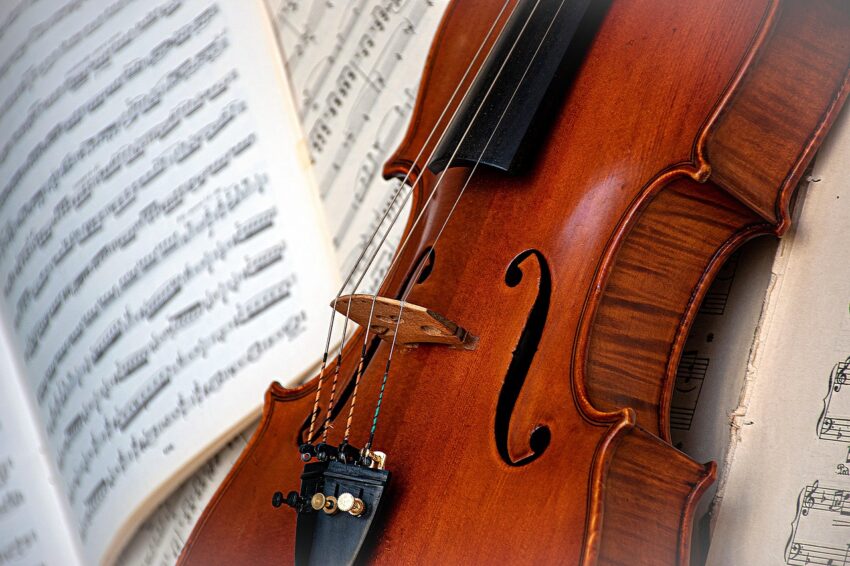
The instrumentation of two violins and a viola forms a unique chamber ensemble configuration that challenges players to balance transparent textures without the foundational support of a cello or double bass. For amateur orchestral musicians and active listeners, exploring this specific trio format illuminates how inner parts, harmonic framing, and voice leading operate within larger orchestral frameworks.
Understanding how 2 violins and a viola interact requires careful attention to intonation, register sharing, and collaborative listening. Because each instrument occupies overlapping or closely adjacent frequency ranges, players must consciously adjust their projection, timbre, and phrasing to ensure every melodic line remains distinct and emotionally expressive.
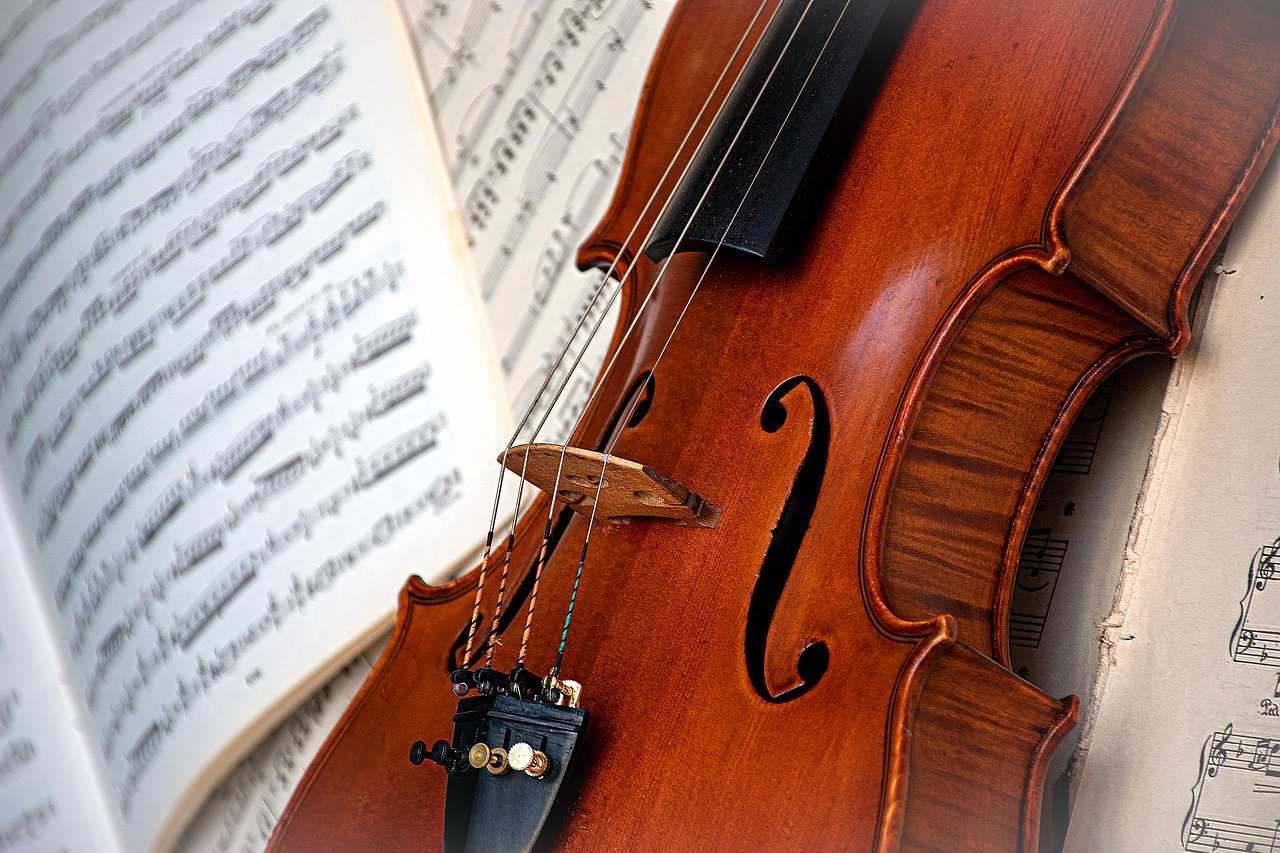
The Foundations of the String Trio: Balancing Two Violins and a Viola
Acoustic Dynamics of the String Trio
In a standard string trio featuring two violins and a viola, the absence of a traditional bass voice alters acoustic physics entirely. The lowest available pitch is typically the C3 on the viola, meaning the ensemble must rely on upper-register harmonic implications rather than deep fundamental roots.
Amateur players often compensate by playing too loudly, attempting to fill the acoustic void left by missing lower strings. Instead, success depends on rich overtones, precise intonation intervals, and careful articulation. When all three players tune their major thirds and perfect fifths cleanly, acoustic reinforcement naturally generates a full, resonant sound.
The Interplay Between First and Second Violins
Sharing melodic duties between two violins requires clear stylistic consensus. Unlike orchestral settings where the first violin dominates the texture, chamber music of this scale demands a fluid exchange of primary and secondary roles.
The second violinist must actively listen to the phrasing tendencies of the first, matching vibrato width, bow speed, and articulation style. When the second violin takes over the melodic line, the first violin must instantly retreat into an accompanying, lighter texture without sacrificing rhythmic stability or supportive momentum.
The Structural Role of the Viola in a Trio
The viola occupies a pivotal middle ground in the two violins and viola ensemble, acting as both an inner harmony anchor and a frequent melodic voice. Because its range bridges the gap between the violins and missing bass instruments, the violist must frequently emphasize root notes or fundamental harmonic shifts.
Composers writing for this configuration often assign rich countermelodies to the viola. Players must project these lines with a warm, dark tonal quality that contrasts effectively with the brighter upper registers of the violins, ensuring clarity and textural depth.
When exploring chamber arrangements, transitioning from two violins one viola to a larger ensemble opens up new harmonic possibilities.
Score Reading and Part Independence for Small Strings
Navigating Three-Stave and Open Scores
Reading chamber music scores written for two violins and a viola helps amateur musicians visualize how independent horizontal lines intersect vertically. Open score formats demand familiarity with both treble and alto clefs, challenging players to track multiple moving voices simultaneously.
Practicing score study away from the instrument improves overall rehearsal efficiency. By tracing each part visually, musicians learn to anticipate entrances, spot harmonic clashes, and understand how their individual instrument contributes to the broader architectural design of the piece.
Understanding Counterpoint in Trios
Counterpoint in a three-part texture is exceptionally exposed. Every voice is completely audible, leaving no room for imprecise rhythms or sloppy articulations. Each player must treat their part as an equal narrative thread.
Amateur groups benefit immensely from practicing individual entrances at slow tempos, ensuring that imitation points align perfectly. When one instrument introduces a thematic idea, the other two must acknowledge that entry through subtle dynamic adjustments in their accompanying figures.
Identifying Harmonic Anchors Without a Bass Line
Because the lowest pitch in a two violins and viola ensemble is often a middle or upper register note, traditional chord roots are frequently inverted or entirely absent. Players must analyze the harmonic framework to identify implied bass notes.
Recognizing inversions helps performers decide which notes require acoustic reinforcement. Emphasizing the third or fifth of a chord with specific expressive weight can clarify an ambiguous harmony, making the chordal progression sound stable even without a true bass instrument.
Woodwind Texture Integration in Amateur Orchestral Listening
Blending Strings with Flutes and Clarinets
Transitioning from a pure string trio like two violins and a viola to full orchestral listening involves understanding how string timbres merge with woodwinds. Flutes and clarinets often double or weave around violin lines, adding airiness or warmth to the upper register.
Active listeners should train their ears to notice how a clarinet’s darker chalumeau register can reinforce viola melodies, or how a flute hovering above two violins creates a shimmering halo effect. These timbral combinations expand the expressive palette far beyond basic string capabilities.
Balancing Oboe and Bassoon Intonation
The double reed instruments—oboe and bassoon—possess distinct harmonic overtones that can either sharpen or smooth out string textures. The oboe’s focused, piercing timbre often cuts through a string accompaniment, while the bassoon provides the missing low-end foundation absent in smaller ensembles.
When listening to orchestral passages, note how composers use the bassoon to anchor the harmony while upper strings and woodwinds converse. Understanding this interplay enriches the listener’s appreciation of internal balance and structural support across diverse instrumental families.
Listening for Timbral Contrasts
Orchestral contrast relies on shifting colors between sections. A passage featuring two violins and a viola playing in a chamber-like texture often serves as a transparent foil to a tutti woodwind and brass passage.
Discerning listeners learn to track these sonic shifts, recognizing when the orchestra reduces its forces to chamber proportions. This awareness highlights the composer’s structural design, revealing intimate conversations hidden within large-scale symphonic works.
Rehearsal Strategies and Ensemble Synchronization
Establishing Shared Intonation Standards
Intonation in a string trio is notoriously demanding because players cannot rely on fixed-pitch instruments or heavy bass reinforcement. Establishing a shared tuning philosophy—such as leaning toward pure just intonation for certain chord structures—is essential for amateur groups.
Rehearsals should incorporate slow, unmeasured chord building. By isolating troublesome intervals and listening for acoustic beat frequencies to disappear, players train their ears to adjust micro-pitch discrepancies in real-time during performance.
Managing Dynamic Projections in Small Spaces
Playing in intimate rehearsal rooms or small concert venues can easily lead to over-playing, where string players force their instruments to produce harsh, pressured tones. Developing dynamic control requires conscious bow speed and weight management.
Ensembles should practice passages at half their intended volume to test clarity and balance. If a middle voice played by the viola or second violin cannot be heard clearly at a pianissimo level, the issue is usually register crowding or bow distribution rather than raw volume.
Effective Bowing Coordination Practices
Unified bowing is not exclusive to large string sections; chamber ensembles of two violins and a viola achieve greater rhythmic and articulation precision when their bow arms move together. While independent bowings can work, shared phrasing decisions eliminate visual and physical discrepancies.
Spent time in rehearsal marking articulation points, up-bows, and down-bows collaboratively. When all three musicians agree on where to place accents and how to execute slurs, the ensemble’s collective attack becomes instantly synchronized and musically cohesive.
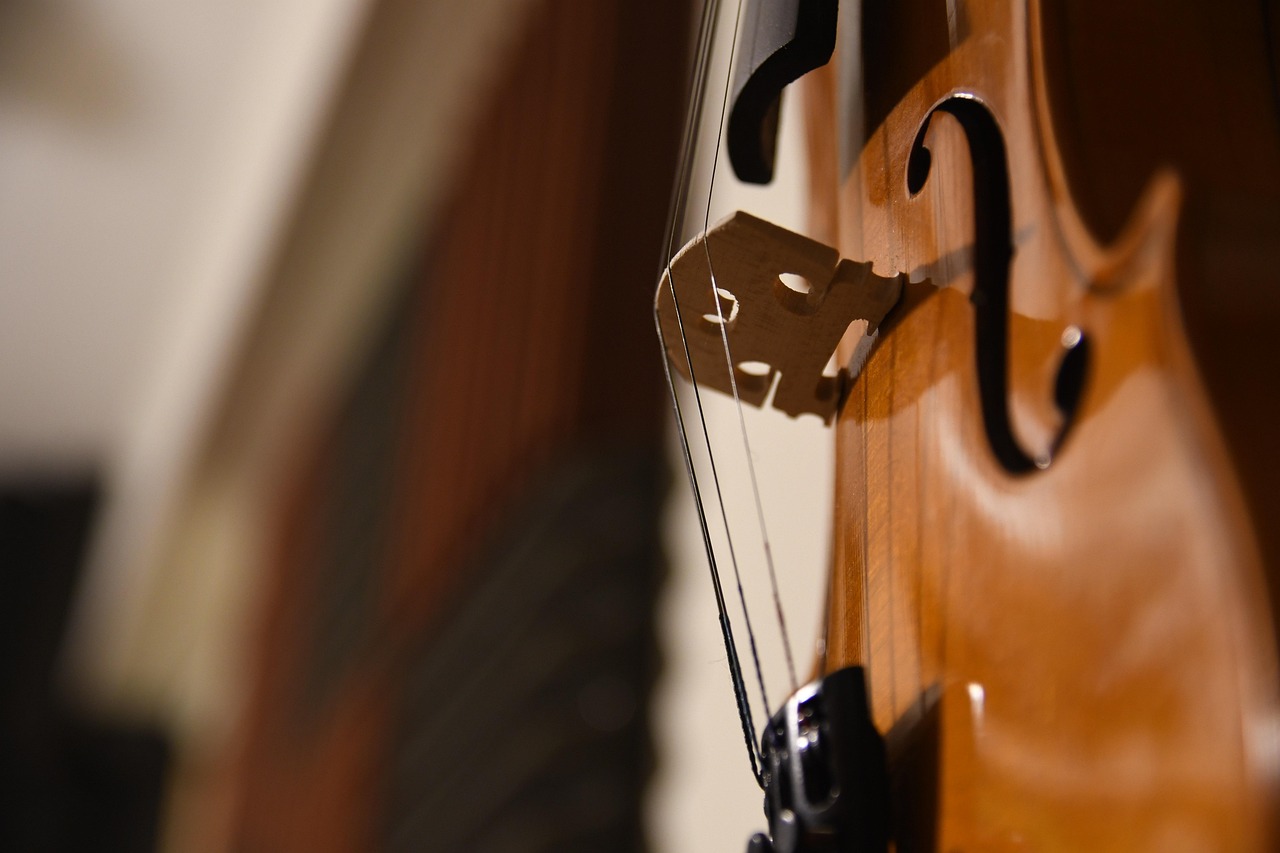
Adding other instrumental voices like a flute violin viola cello combination changes how you manage blend and intonation.
Developing Advanced Orchestral Listening Skills
Parsing Inner Voices in Full Tutti Passages
One of the greatest challenges for orchestral listeners is maintaining awareness of inner voices during loud tutti sections, where brass and percussion often dominate. Transferring the acute listening habits learned from studying inner parts in a string trio makes this task much more manageable.
Listeners should actively track secondary melodies played by violas or second violins while the primary tune is carried elsewhere. This focused attention reveals the intricate counterpoint and harmonic motion that lesser-trained ears might overlook in dense orchestral textures.
Tracking Motivic Development Across Sections
Composers frequently pass musical motives from one instrument family to another. A theme introduced by two violins might be picked up by a solo oboe, transformed by the cellos, and finally stated triumphantly by the full brass section.
Following these motivic threads requires active concentration and familiarity with standard instrument timbres. By recognizing how a simple rhythmic cell evolves across different sections, listeners gain a deeper understanding of symphonic unity and thematic transformation.
Analyzing Texture Changes in Classical Works
Classical and Romantic masterworks are defined by constant shifts in orchestral density. Moving fluidly from a tutti full-orchestra chord down to a sparse trio texture creates dramatic tension and release.
Observing how composers thin out the accompaniment to highlight solo instruments or chamber-like groupings—such as pairing two violins and a viola against light woodwind chords—provides profound insight into orchestration craft and structural pacing.
Players must pay close attention to the strings on a viola to ensure proper tone production during passages.
Frequently Asked Questions
Why is the combination of two violins and a viola common in classical music?
This specific trio configuration bridges the gap between solo violin writing and full string quartet textures. It allows composers to explore three-part counterpoint with homogeneous string timbres while retaining an agile, transparent sound without requiring a cello or bass.
How do players handle the lack of a bass instrument in this trio format?
Players compensate by relying on careful harmonic distribution and acoustic overtones. The viola often takes on foundational root responsibilities in its lower register, while the violins shape upper chord structures so that implied bass notes are clearly understood by listeners.
What are the primary intonation challenges for amateur string trios?
Without fixed-pitch instruments or a heavy bass foundation, pitch center drift is common. Players must constantly listen to intervals, adjust major and minor thirds dynamically, and eliminate acoustic beating to keep chords perfectly tuned and resonant.
How does score reading improve orchestral listening skills?
Studying open scores helps musicians and listeners visualize how horizontal melodic lines intersect vertically. This practice trains the ear to parse inner voices, track counterpoint, and recognize orchestrational details during complex orchestral performances.
What role does the second violin play in a trio setting?
The second violin acts as a vital bridge between the primary melodic voice of the first violin and the inner harmonies of the viola. It frequently shares melodic duties, requiring close collaboration on phrasing, dynamics, and articulation.
How can amateur musicians improve ensemble synchronization without a conductor?
Ensembles improve synchronization through shared breathing, unified bowing preparation, and attentive listening. Practicing at reduced volumes and marking articulation points collaboratively ensures that attacks and releases align naturally across all instruments.