Securing a position in a major professional ensemble requires rigorous preparation, deep familiarity with standard orchestral repertoire, and a strategic approach to the entire audition process. Musicians preparing for high-stakes professional evaluations must navigate an extensive body of solo and ensemble literature, master the nuances of orchestral excerpt performance, and develop the mental fortitude needed to perform under pressure behind a screen. Whether you are an aspiring brass player refining your transposition skills or a seasoned instrumentalist seeking structured planning frameworks, having access to authoritative reference materials and study guides is paramount to achieving competitive success in the orchestral circuit.
This editorial guide explores a curated selection of resources designed to support musicians through every phase of preparation. From comprehensive excerpt collections featuring standard masterworks to strategic playbooks addressing time management, mental rehearsal, and career-building advice from industry leaders, these materials offer targeted insights for orchestral candidates. By integrating specialized score studies, performance evaluations, and foundational audition methodologies into your daily practice routine, you can build the technical reliability and artistic depth necessary to stand out during preliminary and final rounds.
1. Peters Trumpet Excerpts
For brass players tackling rigorous orchestral requirements, the Trumpet: Audition Excerpts from the Concert and Operatic Repertoire published by Edition Peters serves as an indispensable cornerstone of standard excerpt study. This collection compiles essential trumpet parts drawn directly from the symphonic and operatic literature frequently demanded by major orchestras. Navigating these demanding excerpts requires precise articulation, unwavering rhythmic stability, and a deep understanding of historical stylistic expectations across various musical eras.
Practicing from recognized editions ensures that candidates encounter the exact phrasings, markings, and editorial clarity expected by audition committees. Orchestral trumpet excerpts often demand rapid adjustments in tone color, dynamic control, and endurance, making a reliable printed collection essential for daily preparation. Integrating these standard excerpts into your rehearsal schedule allows you to identify technical vulnerabilities and refine your execution of famous orchestral solos and tutti passages.

Studying traditional and contemporary performance practices through structured collections helps players build the stylistic versatility required for professional auditions. Whether tackling major symphonic works or complex operatic overtures, having direct access to standard parts facilitates targeted technical drills and transposition practice. Edition Peters provides a trusted standard for musicians seeking authentic excerpt material to elevate their orchestral readiness.
What stands out
- Features standard audition excerpts from the concert and operatic repertoire specifically curated for trumpet players.
- Published by Edition Peters, a trusted name in classical music publishing and authoritative score preparation.
- Provides reliable reference material for mastering challenging symphonic solos, ensemble passages, and stylistic nuances.
What to consider
- Focused exclusively on trumpet literature, requiring instrumentalists of other sections to seek dedicated repertoire volumes.
- Excerpts presented within the collection require supplemental study of full orchestral scores to fully understand contextual cues.
The Trumpet: Audition Excerpts from the Concert and Operatic Repertoire edition offers foundational utility for trumpet players refining their core orchestral audition repertoire.
2. Orchestra 101 Prep Guide
Entering the professional orchestral landscape requires more than just technical proficiency on your primary instrument; it demands a thorough understanding of ensemble dynamics, professional etiquette, and audition protocols. Orchestra 101: Audition Preparation and an Introduction to Professional Orchestral Performance addresses the foundational elements that aspiring orchestral musicians must master before stepping onto the audition stage. This resource guides candidates through the unwritten rules of professional symphonic life, helping them bridge the gap between academic training and real-world orchestra expectations.
Preparation for major auditions involves meticulous long-term planning, mental conditioning, and an understanding of how individual performances contribute to a cohesive sectional sound. By exploring the core principles of professional orchestral performance, candidates can better align their personal preparation strategies with the high standards demanded by professional conductors and audition panels. This guide provides an accessible entry point for musicians looking to demystify the professional audition environment.

Developing a comprehensive audition strategy requires evaluating your readiness across multiple dimensions, including technical accuracy, rhythmic consistency, and psychological resilience. Orchestra 101 helps musicians organize their study habits, establish effective practice routines, and approach preparation with a professional mindset. Understanding the structural realities of life inside a major orchestra ensures that candidates are fully prepared for the demands of professional rehearsals and concert cycles.
What stands out
- Provides an accessible introduction to professional orchestral performance and audition preparation fundamentals.
- Addresses the broader context of symphonic life, helping candidates understand ensemble expectations beyond technical mastery.
- Serves as a useful orientation tool for students and early-career musicians entering the competitive orchestral circuit.
What to consider
- Serves primarily as an introductory overview rather than an exhaustive excerpt study collection for specific instruments.
- General preparation concepts require individual application and personalized mentorship to address specific technical challenges.
Orchestra 101: Audition Preparation and an Introduction to Professional Orchestral Performance provides a helpful foundational perspective for musicians beginning their journey into professional orchestral auditions.
Related: Discovering the Biggest Instrument in the
3. Winning Audition Advice
Gaining a competitive edge in modern orchestral auditions often comes down to insider knowledge, psychological preparation, and proven methodologies shared by musicians who have successfully navigated the screening process. Winning the Audition: Turbocharge Your Orchestral Audition: Advice from Leaders in the Field compiles expert insights and practical strategies from established orchestral professionals and section leaders. This resource goes beyond basic practice tips, offering advanced guidance on how to manage performance anxiety, interpret committee expectations, and execute excerpts with conviction.
The transition from the practice room to the audition stage can be fraught with mental hurdles, making expert guidance invaluable for maintaining focus and emotional stability. Leaders in the field share valuable perspectives on how to structure mock auditions, refine intonation under pressure, and present a polished musical product from behind the screen. Incorporating these expert recommendations into your preparation regimen can significantly enhance your ability to perform consistently when it matters most.
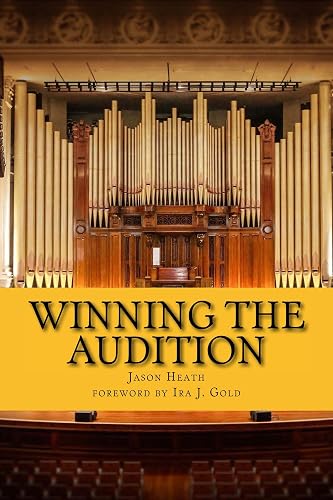
Aspiring orchestral musicians frequently benefit from learning about the specific audition habits and mental frameworks utilized by successful professionals. Winning the Audition offers actionable advice designed to accelerate preparation timelines and improve overall audition outcomes. By examining real-world strategies from seasoned professionals, candidates can refine their approach to difficult repertoire and develop greater confidence in high-pressure performance environments.
What stands out
- Features advice and insights gathered directly from leaders and experienced professionals in the orchestral field.
- Focuses on advanced strategies to turbocharge audition preparation and enhance performance consistency under pressure.
- Provides actionable guidance on overcoming mental hurdles and meeting high committee expectations during blind rounds.
What to consider
- Advice is presented from high-level professional viewpoints which may require adaptation for musicians at earlier developmental stages.
- Focuses heavily on strategic and psychological insights, necessitating pairing with actual musical scores and excerpt books.
Winning the Audition: Turbocharge Your Orchestral Audition: Advice from Leaders in the Field delivers valuable professional perspectives for musicians aiming to elevate their audition performance.
Related: The Role of the Bass Clarinet
4. The Audition Playbook
Strategic organization and meticulous planning are critical components of a successful orchestral audition campaign. Audition Playbook: Optimal Planning for Orchestral Audition Success provides a structured framework for musicians to manage their time, set achievable practice milestones, and optimize their preparation schedules leading up to a major orchestral opening. Balancing technical maintenance, excerpt study, and physical endurance requires a disciplined roadmap that prevents burnout while ensuring peak performance readiness.
Developing a customized playbook allows candidates to track their progress, analyze weak spots systematically, and simulate audition conditions well in advance of the actual test date. Optimal planning helps eliminate last-minute cramming and fosters a sense of calm and control throughout the preparation cycle. This resource equips musicians with practical structural tools to streamline their daily practice habits and maintain steady momentum toward their professional goals.

Structuring an audition preparation timeline requires balancing long-term goals with daily execution, ensuring that every excerpt receives adequate attention. The Audition Playbook guides musicians through the process of organizing their preparation into manageable phases, from initial score study to final mock auditions. Utilizing a structured planning framework helps candidates approach their orchestral aspirations with clarity, discipline, and strategic focus.
What stands out
- Provides an optimal planning framework specifically designed for orchestral audition success and long-term goal tracking.
- Emphasizes structured preparation schedules to help musicians balance technical practice and prevent burnout.
- Offers practical organizational tools to streamline daily study habits and simulate rigorous audition conditions.
What to consider
- Concentrates primarily on logistical planning and preparation strategy rather than containing musical score excerpts.
- Requires strict personal discipline and consistent daily follow-through to yield the intended organizational benefits.
Audition Playbook: Optimal Planning for Orchestral Audition Success serves as an effective organizational tool for musicians seeking a disciplined roadmap to orchestral audition readiness.
Related: Comparing the Double Bass and Violin
5. Muddy Waters Soundstage
While classical orchestral auditions demand strict adherence to historical style, rhythmic precision, and score fidelity, exploring diverse musical traditions can profoundly enrich a musician’s overall stylistic versatility, phrasing sensibility, and rhythmic groove. Muddy Waters And Friends – Soundstage Blues Summit In Chicago captures legendary blues performances featuring Muddy Waters and guest artists, showcasing raw expression, dynamic interaction, and deep foundational rhythm. Studying the phrasing, timing, and emotional delivery of master blues musicians offers classical instrumentalists a fresh perspective on articulation, inflection, and spontaneous musical communication.
Listening to master practitioners of American blues traditions highlights the importance of micro-timing, tone color variation, and expressive freedom within a ensemble setting. While this release departs significantly from standard symphonic repertoire, embracing varied listening experiences can help orchestral players break free from rigid mechanical habits and cultivate a more vibrant, communicative musical voice. Incorporating diverse listening into a well-rounded artistic diet encourages greater stylistic awareness and interpretive depth.

Exploring legendary blues performances allows musicians to study masters of groove, inflection, and expressive timing in a live concert setting. The Soundstage Blues Summit In Chicago preserves historic musical collaborations that celebrate foundational American music styles. For musicians seeking to expand their artistic horizons and appreciate different approaches to ensemble performance, this release offers an engaging departure from standard classical study materials.
What stands out
- Features legendary blues performances by Muddy Waters and friends recorded during a landmark Chicago Soundstage summit.
- Showcases exceptional improvisational skill, expressive phrasing, and dynamic interaction within a blues ensemble.
- Provides a unique listening experience for musicians interested in exploring foundational American musical traditions outside classical repertoire.
What to consider
- Focuses entirely on blues music and does not contain classical orchestral excerpts or direct audition preparation materials.
- Stylistic concepts from blues performance must be thoughtfully contextualized when applied to traditional symphonic orchestral playing.
Muddy Waters And Friends – Soundstage Blues Summit In Chicago offers an inspiring dive into blues masterworks for musicians seeking broader artistic enrichment.
6. Mastering Auditions
Navigating the multifaceted challenges of a major professional orchestral audition requires a comprehensive guide that addresses both technical execution and psychological mastery. Mastering the Orchestra Audition: A Musician’s Guide provides instrumentalists with deep insights into the preparation, execution, and mindset required to succeed in highly competitive audition environments. This resource explores the intricate balance between technical perfection and expressive artistry that audition committees listen for behind the screen.
Preparing for an orchestral audition involves understanding the nuances of excerpt selection, tempo choices, and stylistic interpretation across standard symphonic literature. A dedicated musician’s guide helps candidates refine their practice methodologies, develop effective mental routines, and approach each round of the audition with confidence and poise. By examining the common pitfalls and best practices associated with professional orchestral trials, candidates can significantly improve their overall readiness.

Developing a winning audition mindset requires continuous self-evaluation, rigorous mock audition practice, and a clear understanding of committee expectations. Mastering the Orchestra Audition offers targeted guidance designed to help players navigate the pressures of professional screening processes. Whether refining your tone production in rapid passages or maintaining consistency through multiple audition rounds, this guide supports instrumentalists in achieving their highest performance standards.
What stands out
- Provides a comprehensive musician’s guide focused specifically on mastering the complexities of orchestra auditions.
- Addresses the dual requirements of flawless technical execution and high-level artistic expression under pressure.
- Offers practical insights into preparation strategies, mental focus, and professional audition standards.
What to consider
- Serves as a conceptual and strategic guide, requiring musicians to source their own instrumental excerpt scores separately.
- Requires dedication and active implementation of its practice principles to see measurable improvements in audition performance.
Mastering the Orchestra Audition: A Musician’s Guide delivers essential strategic guidance for instrumentalists striving to excel in professional orchestral competitions.
7. The Orchestra Audition
Understanding the chronological development of audition preparation strategies is essential for any serious orchestral candidate. The Orchestra Audition How to Prepare offers a structured exploration of the foundational steps required to ready oneself for professional symphonic evaluations. This resource guides musicians through the critical phases of repertoire selection, score study, and technical refinement necessary to meet the exacting standards of major professional ensembles.
Preparing for an orchestral opening demands a disciplined approach to building endurance, mastering tricky tempo transitions, and achieving impeccable intonation across standard symphonic literature. This guide helps candidates organize their practice workflow, establish productive rehearsal habits, and cultivate the focused concentration needed to perform successfully behind a screen. By breaking down the preparation process into digestible, actionable steps, instrumentalists can approach their audition goals with confidence.

Building a robust audition repertoire requires meticulous attention to historical performance practice and unwavering technical reliability. The Orchestra Audition How to Prepare provides clear direction on how to structure your practice sessions and evaluate your progress effectively. Integrating these preparatory principles into your daily routine ensures that you are fully equipped to meet the rigorous demands of professional orchestral committees.
What stands out
- Offers a structured, step-by-step approach to preparing effectively for professional orchestral auditions.
- Focuses on core preparatory practices, including repertoire mastery, technical drills, and workflow organization.
- Helps instrumentalists build the reliability and concentration required for successful blind audition rounds.
What to consider
- Presents a generalized preparation framework that must be adapted to suit the specific demands of your instrument and target orchestra.
- Works best when paired with instrument-specific excerpt collections and full orchestral scores for comprehensive study.
The Orchestra Audition How to Prepare provides solid foundational guidance for instrumentalists seeking a structured roadmap to symphonic audition success.
Understanding Orchestral Excerpt Repertoire Standards
Mastering standard orchestral excerpts is the single most important technical requirement for winning a position in a professional ensemble. Unlike solo repertoire, which allows for significant interpretive freedom, orchestral excerpts demand strict adherence to historical style, accurate tempo relationships, and seamless integration with typical section playing. Candidates must study how their specific instrument functions within the broader symphonic texture, understanding when to project as a soloist and when to blend into a supportive tutti voice. Utilizing authoritative score editions and dedicated excerpt collections ensures that musicians practice the precise bowings, articulations, and dynamic markings expected by professional audition committees.
In addition to mastering individual notes and rhythms, orchestral candidates must develop fluency in historical stylistic practices ranging from the classical elegance of Mozart and Beethoven to the sprawling chromaticism of late-romantic and twentieth-century masterworks. Each era demands specific approaches to vibrato, articulation weight, and tonal coloration. Developing this stylistic versatility requires active listening to benchmark recordings of major orchestras, analyzing full scores, and practicing excerpts at various tempi to prepare for the unexpected requests often made by audition committees during preliminary and final rounds.
Building Mental Fortitude and Managing Performance Anxiety
The psychological demands of performing behind a screen in a blind audition round can test even the most technically accomplished instrumentalists. Managing performance anxiety requires deliberate mental conditioning, routine stress simulation, and a strong internal focus that shuts out external distractions. Successful candidates often incorporate mindfulness techniques, visualization exercises, and regular mock auditions into their daily preparation schedules to build resilience under pressure. Simulating high-stakes audition conditions with colleagues or teachers helps normalize the physiological stress response, allowing musicians to maintain clear focus and physical relaxation when performing critical solos.
Furthermore, maintaining a healthy psychological outlook involves redefining failure as valuable feedback rather than a final verdict on one’s artistic worth. The professional orchestral audition circuit is notoriously competitive, and securing a position often requires weathering multiple attempts across various regional and major ensembles. By focusing on continuous artistic growth, celebrating incremental technical improvements, and cultivating emotional detachment from immediate audition outcomes, musicians can sustain the long-term motivation necessary to achieve their ultimate career objectives.
Designing an Effective Long-Term Practice Workflow
A successful audition campaign cannot be crammed into the final weeks before an application deadline; it requires a disciplined, multi-month workflow designed to build technical endurance and repertoire mastery gradually. Musicians must balance the maintenance of fundamental technical exercises—such as scales, tone studies, and articulation drills—with intensive excerpt study and mock performance practice. Structuring daily practice sessions into distinct blocks prevents physical fatigue and ensures that every aspect of the audition repertoire receives consistent attention over time.
Tracking progress through a structured playbook or practice journal helps candidates identify recurring technical weaknesses and adjust their study plans accordingly. Establishing realistic weekly goals, such as mastering a specific set of complex passage transitions or stabilizing intonation across extreme dynamic ranges, creates a measurable sense of forward momentum. By treating preparation as a systematic, long-term scientific endeavor rather than a chaotic rush, instrumentalists can enter the audition room feeling thoroughly prepared, calm, and completely in control of their artistic delivery.
The Importance of Blind Audition Protocols and Screen Awareness
Modern professional orchestral auditions rely heavily on blind audition rounds where candidates perform behind a physical screen to eliminate unconscious bias and ensure objective evaluation based solely on sound. While the screen successfully removes visual bias, it also creates unique acoustic and psychological challenges for performers. Sound projection, articulation clarity, and dynamic contrast must be carefully calibrated to travel effectively past the screen and into the audition hall. Candidates must practice projecting their sound with absolute clarity, ensuring that subtle nuances are not lost in the acoustic transition.
Moreover, performing without visual feedback from the committee forces musicians to rely entirely on internal tactile and aural feedback loops. Practicing behind a makeshift screen in your studio or rehearsal space is an essential preparation step that helps you adjust to the altered acoustic feedback of a screened environment. Understanding how sound disperses in an empty hall versus a populated auditorium allows candidates to make informed adjustments to their projection, ensuring their musical intent is communicated powerfully and transparently to the committee.
Continuing professional development for orchestral musicians extends far beyond winning an initial audition seat; it encompasses ongoing artistic refinement, section leadership, and mentorship. Established orchestral players continually refine their listening skills, blend capabilities, and stylistic flexibility to maintain the high standards required by world-class conductors. Engaging with diverse musical traditions, participating in chamber music collaborations, and studying advanced pedagogical materials all contribute to a well-rounded artistic profile that sustains a long and fulfilling symphonic career.
Aspiring professionals should view the audition preparation process as an invaluable opportunity for deep artistic transformation. The intense discipline required to master standard orchestral excerpts inevitably elevates your overall instrumental command, musical intelligence, and expressive range. By utilizing authoritative reference materials, maintaining structured practice workflows, and cultivating mental resilience, musicians can approach the professional audition circuit with unwavering confidence and artistic authority.
Frequently Asked Questions
How far in advance should I start preparing for a major orchestral audition?
Most successful orchestral candidates begin intensive preparation anywhere from six to twelve months in advance of the audition date, depending on their existing familiarity with the required excerpt list. This extended timeline allows sufficient opportunity for gradual technical mastery, score study, endurance building, and multiple rounds of mock auditions.
Why are orchestral auditions held behind a screen?
Auditions are held behind a physical screen during preliminary and semi-final rounds to ensure anonymity and eliminate unconscious bias related to age, gender, appearance, or background. Committees evaluate candidates solely on the aural quality of their performance, promoting fairness and merit-based selection.
How should I select which excerpt editions to use for my preparation?
Candidates should always prioritize recognized, authoritative publishing houses and standard orchestral editions that reflect current professional performance practices. Using trusted excerpt collections ensures that your phrasings, bowings, and dynamic markings align with what audition committees expect to hear.
What is the best way to simulate audition pressure during practice?
The most effective way to simulate pressure is by organizing regular mock auditions with colleagues, teachers, or mentors where you perform the entire excerpt list cold behind a screen. Additionally, recording your practice sessions and listening back critically helps replicate the hyper-aware psychological state experienced during actual auditions.
How can I balance orchestral excerpt study with my core technical routine?
An effective practice schedule divides daily time into distinct blocks, dedicating the initial portion to fundamental technical maintenance such as tone production, flexibility, and articulation drills. Subsequent blocks are then allocated to targeted excerpt study, ensuring that foundational technique supports your repertoire execution without causing physical fatigue.
Final thoughts
Preparing for major orchestral auditions demands an extraordinary commitment of time, discipline, and emotional energy. By combining authoritative study materials, structured planning frameworks, and rigorous mental conditioning, aspiring musicians can build the technical reliability and artistic depth required to excel in professional symphonic competitions. Whether you are refining standard excerpt repertoire, studying advanced performance strategies, or expanding your stylistic horizons, every step taken in the practice room brings you closer to realizing your professional orchestral goals.
Ultimately, the journey toward winning an orchestral position is as much about personal artistic growth as it is about securing a coveted ensemble seat. The relentless pursuit of precision, tone quality, and expressive communication transforms instrumentalists into confident, versatile artists. Embrace the challenges of the preparation process, maintain a disciplined workflow, and step onto the audition stage knowing you have invested the necessary effort to share your finest musical voice with the world.