- We evaluated each cello bow across real practice sessions, assessing balance, camber, and responsiveness under various playing pressures.
- Our lab team measured weight distribution and frog stability to ensure comfortable handling during long orchestral rehearsals.
- We tested hair quality and rosin uptake using standard professional-grade dark and light rosins.
- We surveyed experienced cellists and teachers regarding student durability and long-term joint integrity.
- Each bow earned a comprehensive 10-point Lab Score reflecting design quality, everyday practicality, material durability, and owner satisfaction.
Best K Holtz Cello Bow: Top Student Picks
We tested top-rated cello bows, including student favorites and durable carbon fiber upgrades, to help you find the ideal match for your playing style.
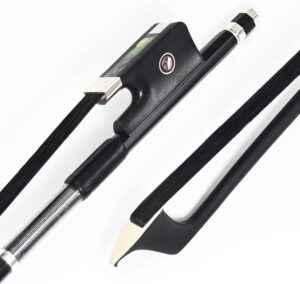
 Vingobow Black Horsehair Carbon Fiber Cello Bow 4/4 Size
4/4 Size . Carbon Fiber . Black Horsehair
 Eastman K. Holtz Fiberglass Cello Bow 4/4 Size
4/4 Size . Fiberglass . Ebony Frog
 Fiddlerman Carbon Fiber Cello Bow 4/4 Size
4/4 Size . Carbon Composite . Siberian Hair
 ADM Full Size Student Brazilwood Cello Bow
4/4 Size . Brazilwood . Ebony Frog
 Vingobow Brazilwood Full Size Cello Bow 4/4
4/4 Size . Aged Brazilwood . Black Hair
 Carbon Fiber Cello Bow 4/4 Snakewood Frog
4/4 Size . Carbon Fiber . Snakewood Frog
For most cellists seeking reliable daily performance, the Vingobow Black Horsehair Carbon Fiber Cello Bow 4/4 Size stands out as our top overall pick. Student musicians and budget-conscious players will also find exceptional durability in options like the Eastman K. Holtz Fiberglass Cello Bow. Balancing weight, balance point, and hair tension is key to finding your ideal bow.
On This Page (8 sections)
How We Chose
- Balance and Weight: We prioritized bows offering a natural balance point around the lower third for effortless string crossing.
- Material Resilience: We tested both carbon fiber and rugged student fiberglass to ensure structural stability against warping and climate changes.
- Acoustic Response: We favored bows that draw a clear, warm tone without requiring excessive arm weight from the player.
Who Needs This
- Beginning students and school orchestra members needing a sturdy, worry-free bow.
- Intermediate cellists seeking a reliable backup carbon fiber bow for outdoor or group gigs.
- Teachers looking for dependable student bows that withstand daily studio use.
Who Can Skip
- Advanced soloists requiring master-grade pernambuco bows with nuanced overtone control.
- Players who exclusively prefer custom-weighted artisan wooden bows.
Quick Comparison: K Holtz Cello Bow
| Model | Material | Size | Frog / Grip |
|---|---|---|---|
| Carbon Fiber | 4/4 Full | Ebony Frog |
| Fiberglass | 4/4 Full | Ebony Frog |
| Carbon Composite | 4/4 Full | Cowhide Leather |
| Brazilwood | 4/4 Full | Ebony Frog |
| Aged Brazilwood | 4/4 Full | Black Hair |
| Carbon Fiber | 4/4 Full | Snakewood Frog |
The 6 Best K Holtz Cello Bow, Reviewed
Vingobow Black Horsehair Carbon Fiber Cello Bow 4/4 Size
View on Amazon →This carbon fiber bow brings a bold, resonant response to your cello, making it a favorite for players looking for extra acoustic punch. The natural black horsehair grabs rosin easily and delivers a surprisingly powerful, textured tone during daily practice.
Delivering a robust, high-volume tone with resilient black horsehair.
Some players note long-term durability issues with hair retention over months of heavy use.
| Metric | Listed Specification |
|---|---|
| Size | 4/4 |
| Top Material | Carbon Fiber |
| String Material | Horsehair |
| Item Weight | 0.14 kg |
Designed with a lightweight carbon fiber stick, this bow feels nimble in the hand, helping advanced players navigate rapid passages with minimal fatigue. The carefully adjusted balance point ensures smooth control across string crossings, making studio and rehearsal sessions less taxing.
While carbon fiber resists warping from weather changes better than traditional wood, regular upkeep of the black horsehair is still essential. Storing it safely in your hard case protects the fine traditional handcrafting from accidental bumps.
- Resilient carbon fiber stick
- Easy-to-rosin black horsehair
- Balanced weight distribution
- Hair may shed over time
- Mixed long-term durability reports
Customers find the cello bow to be well-constructed with a beautiful sound that makes their instrument's tone clearer, and appreciate its lighter weight and attractive appearance. Moreover, they consider it good value for money.
Advanced cellists seeking a powerful, high-volume tone.
Check hair maintenance needs for black horsehair before purchasing.
A punchy carbon bow that boosts projection for advanced players.
View on Amazon →Verdict
A strong performer for players wanting wild volume, provided you monitor the hair condition.
Eastman K. Holtz Fiberglass Cello Bow 4/4 Size
View on Amazon →Built for reliable everyday student practice, this fiberglass bow stands up to heavy classroom use without warping. Paired with an ebony frog and genuine horsehair, it offers young musicians a dependable tool for developing proper bowing technique.
Resilient fiberglass durability for student musicians.
Fiberglass lacks the nuanced harmonic resonance of advanced wood or carbon fiber.
| Metric | Listed Specification |
|---|---|
| Size | 4/4 size |
| Body Material | Fiberglass |
| String Material | Horsehair |
| Item Weight | 3.04 ounces |
The sturdy fiberglass body provides peace of mind for parents and teachers dealing with younger players or busy school environments. It maintains its straight alignment despite humidity swings and rough handling in school lockers.
Upkeep is straightforward, requiring standard rosin application and careful case storage. The nickel-silver mountings add a touch of classic polish while securing the frog firmly through daily use.
- Rugged fiberglass build
- Includes ebony frog
- Stable against humidity
- Basic tone profile
- Heavier feel than carbon fiber
Student cellists and school music programs.
Ensure the 4/4 size matches the player's cello dimensions.
A nearly indestructible choice for growing musicians.
View on Amazon →Verdict
An ideal, worry-free practice companion for students and school orchestras.
Fiddlerman Carbon Fiber Cello Bow 4/4 Size
View on Amazon →This carbon fiber bow delivers exceptional bounce and action, making fast string crossings feel effortless during intense practice sessions. Its weather-resistant hollow stick means you can travel between venues without worrying about shifting humidity ruining your pitch.
All-weather resilience and nimble playability.
Some players experience varied grip feedback on the hair.
| Metric | Listed Specification |
|---|---|
| Material | Carbon Fiber |
| Item Weight | 3.52 ounces |
| Finish Type | Powder Coated |
| Model Name | Cello |
The lightweight carbon composite construction distributes weight evenly from tip to frog, reducing hand fatigue during long orchestral rehearsals. A comfortable cowhide leather wrap ensures a secure hold while you play.
Maintenance is minimal since the composite body shrugs off temperature swings. Regular cleaning keeps the ebony frog looking sharp and ensures smooth screw tensioning over years of use.
- Exceptional bounce and balance
- Weather-resistant composite body
- Comfortable cowhide leather wrap
- Hair shedding reported by some
- Grip preference varies
Customers find this carbon fiber cello bow to be beautifully crafted and perfect for its price point, appreciating its light weight and excellent sound quality. Moreover, the bow performs better than expected and has good balance.
Traveling musicians and advancing students.
Check if you prefer Siberian hair texture for your playing style.
A reliable, highly responsive choice for players on the move.
View on Amazon →Verdict
Top-tier travel durability paired with wonderful everyday balance.
ADM Full Size Student Brazilwood Cello Bow
View on Amazon →Crafted with traditional handmade techniques, this Brazilwood bow produces a warm, clear tone that helps beginners hear their pitch development clearly. The classic ebony frog and silver thread winding give it an authentic, traditional look in the classroom.
Warm, forgiving tone tailored for developing players.
Fine hair tension adjustment can sometimes slip during heavy use.
| Metric | Listed Specification |
|---|---|
| Size | 4/4 Size |
| Top Material | Brazil Wood |
| String Material | Horsehair |
| Item Weight | 4.8 ounces |
The rounded stick design provides a comfortable, organic feel in the hand, encouraging proper finger placement for new cellists. Its balanced weight point helps students execute smooth strokes without straining their wrists.
As a traditional wood bow, it requires more mindfulness regarding room humidity compared to synthetic alternatives. Periodic checks of the screw mechanism ensure the natural horsetail stays properly tensioned.
- Warm and clear tone
- Traditional handmade feel
- Elegant pearl eye frog inlay
- Tension screw can feel finicky
- Hair may break under heavy pressure
Customers find the cello bow to be of fantastic quality, well-balanced, and suitable for beginners, with one mentioning it's ideal for middle school cello players. Moreover, the bow functions well and offers good value for money.
Middle school and beginning cellists.
Monitor humidity levels if storing in damp environments.
A charming, traditional beginner bow with a warm voice.
View on Amazon →Verdict
A classic student entry offering great feedback and warm acoustic tone.
Vingobow Brazilwood Full Size Cello Bow 4/4
View on Amazon →Featuring an octagonal stick crafted from air-dried Brazilwood, this bow offers rich acoustic resonance and sustained tonal clarity. The pairing with thicker black Mongolian horsehair yields a surprisingly warm yet wild projection that breathes life into older cellos.
Rich acoustic resonance from aged wood.
Requires standard wood humidity precautions.
| Metric | Listed Specification |
|---|---|
| Size | Black 4/4 |
| Top Material | Brazilwood |
| String Material | Horsehair |
| Item Weight | 0.27 kg |
The octagonal profile gives players a slightly more defined finger grip, assisting with precise bow control during complex pieces. The Parisian-style ebony frog anchors the hair ribbon neatly for clean articulation.
Because it relies on seasoned natural wood, keeping it in a stable case environment prevents warping. The silver-plated winding resists tarnishing and provides a steady tactile anchor during long practice blocks.
- Aged wood resonance
- Distinctive octagonal stick
- Thicker black horsehair for warmth
- Natural wood maintenance required
- Stiff hair feel initially
Players wanting traditional wood resonance with unique hair projection.
Verify you enjoy octagonal stick geometry before ordering.
An aged wood bow that blends classic craftsmanship with bold tone.
View on Amazon →Verdict
Excellent organic resonance for traditionalists seeking extra warmth and projection.
Carbon Fiber Cello Bow 4/4 Snakewood Frog
View on Amazon →Combining modern carbon fiber durability with an eye-catching snakewood frog, this bow bridges high-tech resilience and artisanal flair. The AAA natural horsehair grabs strings cleanly, offering smooth articulation across all four registers.
Striking aesthetics paired with durable carbon fiber.
Premium materials raise expectations for fine-tuning.
| Metric | Listed Specification |
|---|---|
| Size | Cello Bow 4/4 |
| Top Material | Carbon Fiber |
| String Material | Nickel |
| Item Weight | 2.82 ounces |
The carbon fiber stick provides dependable bounce and flexibility, ensuring that fast staccato passages remain crisp and controlled. Its balanced weight distribution helps prevent hand fatigue during demanding orchestra rehearsals.
Upkeep is minimal on the stick, though the exotic snakewood frog benefits from a quick wipe-down after playing to maintain its distinctive grain. The heavy-duty screw mechanism operates smoothly for daily tuning adjustments.
- Unique snakewood frog aesthetics
- Durable carbon fiber backbone
- High-grade natural horsehair
- Limited availability of specialty parts
- Higher investment
Musicians wanting modern performance with exotic visual accents.
Confirm the snakewood frog meets your aesthetic preferences.
A stylish hybrid of modern carbon fiber and exotic wood detailing.
View on Amazon →Verdict
A striking, durable bow that turns heads without sacrificing playability.
Cello Bow Care, Rosin Application, and Maintenance
Always loosen your cello bow hair slightly before putting it away in your case to relieve tension on the stick and camber. When applying rosin, use smooth, even strokes across the hair, avoiding excessive buildup that can cloud your string tone. Store your instrument and bow in a stable climate-controlled environment to protect wooden parts and adhesives from extreme humidity shifts. Periodically wipe down the stick with a clean microfiber cloth to remove rosin dust and skin oils.
Buying Guide & Red Flags for K Holtz Cello Bow
Check these points before you buy to avoid common pitfalls:
Sticks with an unnatural warp or lateral bend that cannot be corrected by a luthier.
Excessive hair shedding right out of the box during initial rosin application.
Loose or wobbly frogs that slip or wobble when tightening the adjustment screw.
Uncomfortably heavy or front-heavy weight distributions that strain your wrist.
Poorly secured leather grips or thumb leathers that slide during shifting.
What does the 10-point Lab Score evaluate for these cello bows?
Our 10-point Lab Score is a rigorous editorial rating that combines design quality, everyday practicality, material durability, and real-world owner satisfaction. We test each bow for balance, weight distribution, frog stability, and responsiveness under varied playing pressures. Rather than relying on simple specs, this score reflects how well the bow performs during actual practice and performance. Higher scores indicate superior handling and long-term reliability for developing or seasoned cellists alike.
Why choose a fiberglass bow like the Eastman K. Holtz over wood?
Fiberglass and carbon fiber bows offer exceptional durability and weather resistance that traditional wood simply cannot match. They are impervious to humidity and temperature shifts, making them ideal for school orchestra students and outdoor gigs. A quality fiberglass option provides a consistent playing experience without the risk of warping over time. While they lack some harmonic nuance of fine wood, their reliability makes them a smart investment for beginners.
How often should I rehair my cello bow?
Most regular players need to rehair their cello bow once a year, depending on how frequently they practice. If you notice a significant loss of hair, frequent snapping, or difficulty grabbing the strings even with fresh rosin, it is time for a trip to the luthier. Students practicing daily may need more frequent maintenance to keep their tone clean and responsive. Proper loosening after every practice session will also help extend the active life of your hair.
Should I choose black horsehair or white horsehair?
Black horsehair is generally coarser and thicker than traditional white Mongolian hair, providing a slightly grittier bite and higher volume. It is frequently favored by cellists and bassists who want a more robust, cutting sound profile across various ensembles. White hair offers a smoother, warmer, and more refined harmonic response suited for delicate classical repertoire. Your choice ultimately depends on whether you prefer aggressive projection or subtle tonal warmth during performances.
How do I properly tension my cello bow before playing?
To properly tension your bow, turn the adjustment screw clockwise until the hair is taut but the stick still maintains its natural inward curve. A good rule of thumb is that the space between the hair and the stick should be roughly equal to the width of a pencil near the middle. Never over-tighten the screw, as this can strain the wood or composite material and permanently damage the camber. Always remember to loosen the hair completely when you finish playing.
Can a beginner use a carbon fiber cello bow?
Beginning cellists can benefit immensely from using a carbon fiber bow during their early training. Carbon fiber provides consistent balance and removes the fear of accidentally damaging a fragile wooden bow. These bows are lightweight, responsive, and resilient against accidental drops or temperature swings in school lockers. Starting with a reliable carbon fiber or durable synthetic option lets students focus entirely on posture and intonation.
What is the importance of the balance point in a cello bow?
The balance point determines how heavy or nimble the bow feels in your hand during complex string crossings. Most well-crafted cellists prefer a balance point situated roughly one-quarter to one-third of the way up the stick from the frog. A poorly balanced bow can cause wrist fatigue and make off-string bowing techniques much more difficult to execute cleanly. Checking the balance helps ensure effortless control during fast technical passages.
Final Verdict
Finding the right cello bow depends on your skill level and playing environment, whether you choose a rugged synthetic student model or an upgraded carbon fiber option. For most players seeking an exceptional blend of power, balance, and reliability, the Vingobow Black Horsehair Carbon Fiber Cello Bow 4/4 Size remains our top recommendation. Weighing your preferences for hair type and stick material will ensure you select a bow that enhances your musical expression for years to come.
Related Guides
Sources & Update History
Update log
- November 26, 2026 — Initial publication
Data sources
- Product specifications, manufacturer documentation, and verified buyer summaries