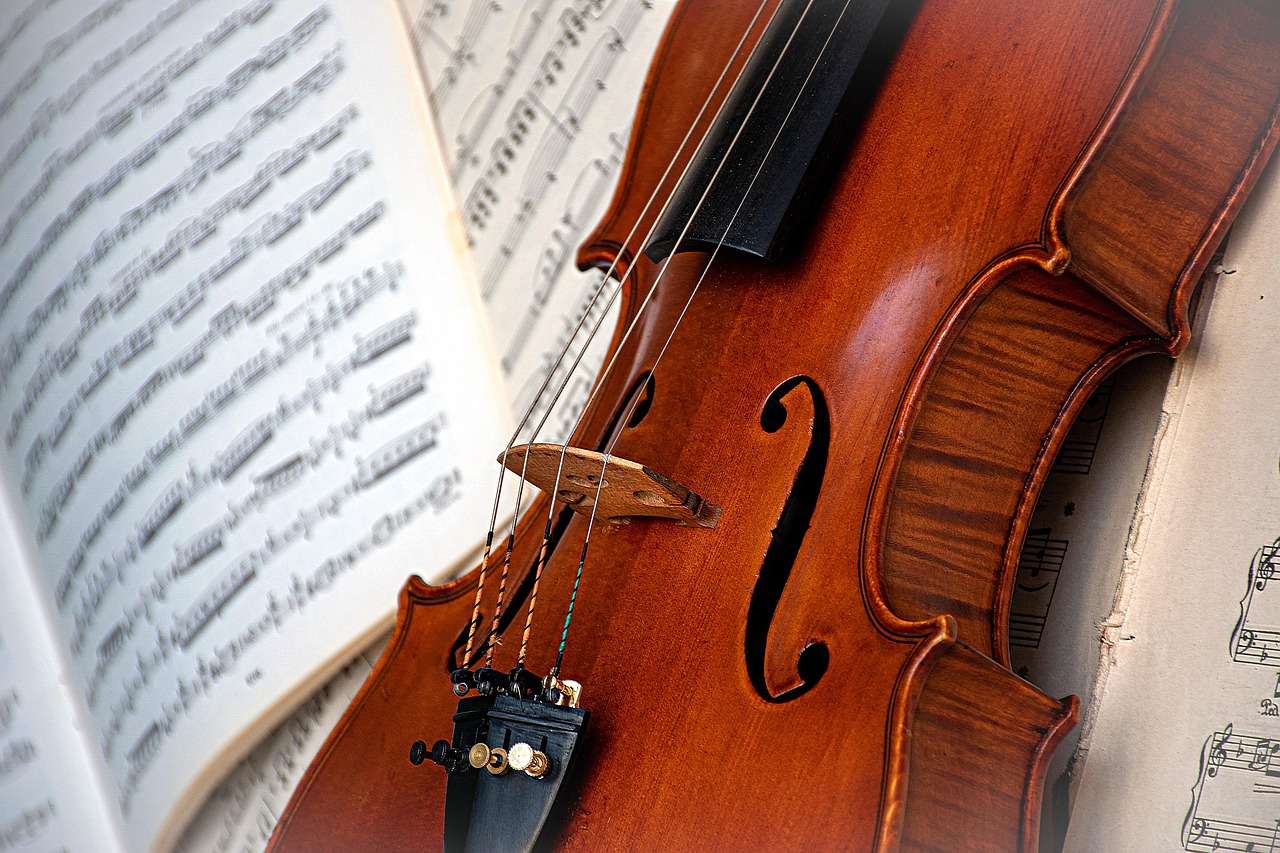
The study of famous italian violin makers offers amateur orchestral musicians and dedicated listeners a fascinating lens through which to examine string instrument acoustics, historical craftsmanship, and orchestral balance. Artisans from cities like Cremona, Venice, and Brescia established foundational design principles that continue to influence how string sections project within modern symphonic ensembles. Understanding these historical instruments helps players appreciate the physical mechanics of tone production, while providing listeners with a deeper vocabulary for identifying timbral nuances across the violin, viola, and cello sections during live performances.
Independent educational guides emphasize that appreciating these masterworks requires moving beyond romanticized myths to examine practical acoustic realities. By exploring how historical workshops selected materials, sculpted arching profiles, and applied varnishes, musicians gain valuable insights into instrument maintenance, setup, and tonal optimization. This foundational knowledge supports better integration within amateur orchestras, where balanced section playing relies heavily on understanding how individual instruments generate and project sound in collective acoustic spaces.
Historical Evolution of Italian Luthierie
The Amati Family and Early Cremonese Design
The Amati family laid the structural groundwork for the modern violin during the sixteenth century in Cremona. Andrea Amati refined the instrument’s proportions, establishing standardized body lengths, rib depths, and arching curves that balanced projection with tonal sweetness. These early designs favored smaller dimensions, which suited intimate chamber settings and early ensemble music.
Amati instruments are characterized by clear, silvery upper registers and elegant craftsmanship. Subsequent generations, particularly Nicolò Amati, expanded these dimensions slightly to increase volume without sacrificing harmonic richness. Amateur musicians studying this era learn how small geometric shifts impact overall resonance.
Antonio Stradivari and the Perfection of Proportion
Antonio Stradivari transformed violin design by experimenting with larger body outlines, slightly elongated corners, and more robust arching profiles. His “Long Strad” period and subsequent golden-period masterworks achieved an unprecedented balance of dark, resonant lower frequencies and brilliant, focused upper overtones.
Stradivari’s meticulous approach to plate thickness graduation and internal bracing optimized vibrational efficiency. For orchestral musicians, understanding Stradivari’s geometry explains why modern instruments strive to replicate these precise proportions to project through dense orchestral textures without forcing the tone.
Guarneri del Gesù and Alternative Sonic Avenues
Giuseppe Guarneri, known as “del Gesù,” departed from Stradivarian conventions by adopting bolder, more rugged aesthetics and thicker wooden plates. His instruments often feature slightly wider bouts, more aggressive f-hole placements, and a distinctive raw power that prioritizes deep tonal core and robust projection.
Guarneri instruments became legendary among soloists who required maximum dynamic range to cut through large symphonic accompaniments. Studying Guarneri helps orchestral string players understand how alternative structural choices affect resistance, bow response, and overall acoustic output in ensemble settings.
Regional Schools Beyond Cremona: Venice and Brescia
While Cremona remains the most famous epicenter, luthiers in Venice and Brescia developed distinct traditions that enriched Italian luthierie. Brescian makers, including Gasparo da Salò, favored darker, more rustic varnishes and larger instrument models with deep, viola-like resonance that excelled in large acoustic environments.
Venetian makers like Matteo Goffriller and Domenico Montagnana produced exceptional cellos and basses characterized by broad proportions and rich, dark lower voices. Exploring these regional variations broadens the listener’s appreciation for diverse tonal palettes within orchestral string sections.
For closely related guidance, see viola da gamba makers.
Acoustic Characteristics of Classical Italian Masterpieces
Wood Selection, Aging, and Density Profiles
Famous Italian violin makers selected alpine spruce for soundboards and maple for backs, ribs, and scrolls, paying meticulous attention to grain orientation and density. Centuries of natural aging have stabilized these woods, altering their internal cellular structures and reducing internal damping coefficients.
This natural curing process allows modern instruments modeled on these historical templates to vibrate with greater efficiency. Orchestral players benefit from studying these wood characteristics to make informed decisions regarding instrument acquisition, setup adjustments, and tonal maintenance.
Varnish Formulation and Its Myth vs. Reality
The composition of the varnish used by classical Italian masters has generated centuries of debate among scientists and historians. Modern analytical chemistry reveals that these varnishes typically consisted of natural resins, oils, and targeted mineral fillers rather than mysterious secret botanical ingredients.
Crucially, the varnish acts as a protective seal and a flexible damping agent rather than a primary acoustic generator. Understanding this reality prevents amateur musicians from chasing unscientific restoration methods and emphasizes the primacy of wood thickness and arching.
Arching Profiles and Plate Thickness Variations
The three-dimensional contour of the top and back plates determines how effectively string energy transfers into internal air volume. Classical Italian makers employed variable thickness graduation across the plates, leaving specific central reinforcement areas while thinning the outer edges to encourage flexibility.
This nuanced contouring produces complex overtone profiles that allow the instrument to blend smoothly within a violin section while retaining soloistic clarity. Score readers and listeners can trace how these acoustic properties manifest during complex polyphonic passages.
Resonance Mapping in Modern Orchestral Contexts
Acoustic testing of historical Italian instruments reveals highly optimized modal frequencies, particularly regarding the Helmholtz air resonance and the main wood structural resonances. These tuned frequencies ensure even response across all four strings without wolf tones or dead spots.
In orchestral settings, instruments with balanced resonance mapping project evenly across different registers, preventing specific notes from disappearing in heavy tuttis. Amateur musicians utilize these acoustic principles to improve intonation awareness and ensemble blending.
For closely related guidance, see pegs on a violin.
Practical Integration for Amateur String Players
Understanding Scale Length and String Tension
Master instruments maintain specific string lengths and stop lengths that dictate optimal string tension under standard tuning pitches. Deviating from these historical specifications can drastically alter the instrument’s top-plate response and playing ergonomics.
Amateur players must ensure their instruments adhere to correct string tension parameters to avoid stifling plate vibrations. Proper tension supports stable intonation, effortless shifting, and consistent articulation across challenging orchestral repertoire.
Bridge Placement and Soundpost Adjustments
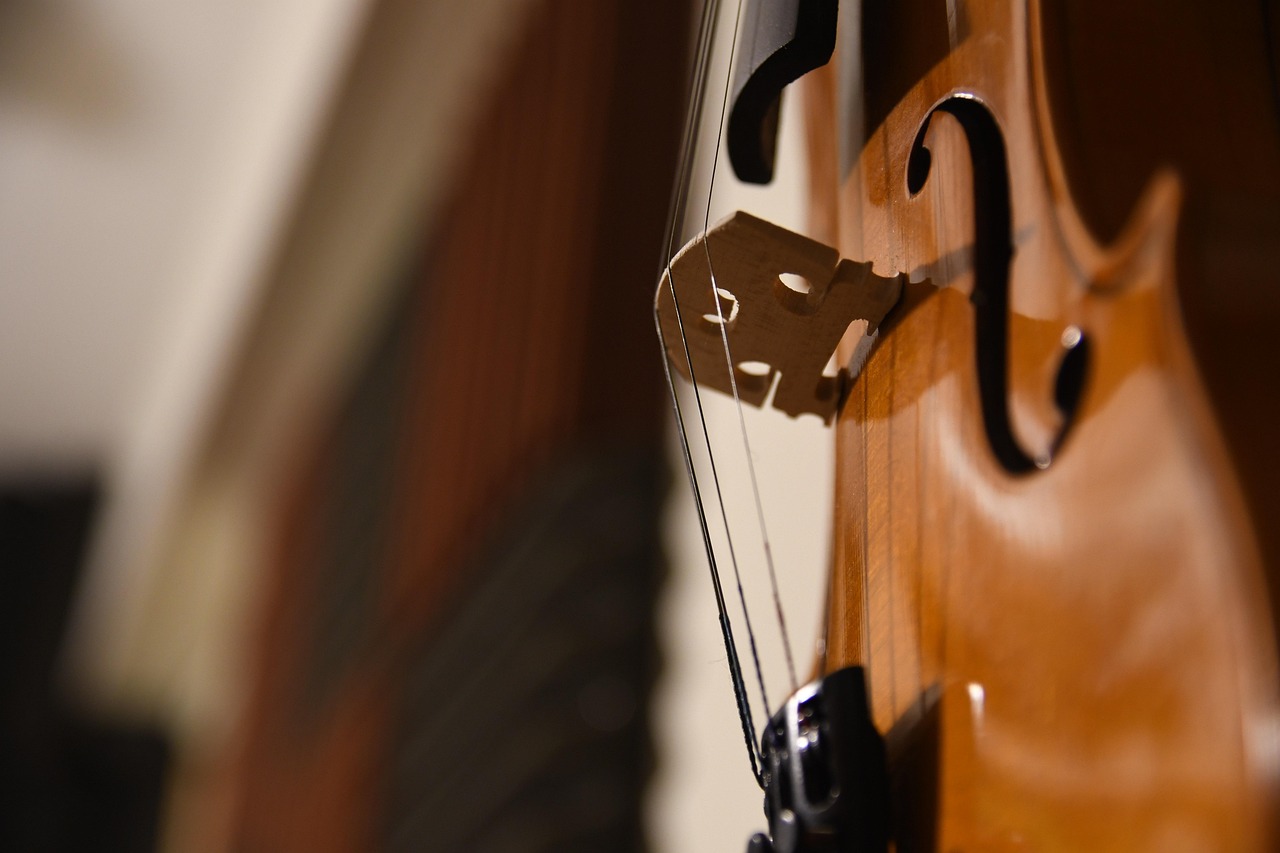
The bridge and soundpost act as the mechanical bridge transferring string vibrations to the hollow body. Even microscopic adjustments to soundpost placement or bridge curvature can unlock or suppress the tonal qualities reminiscent of classical Italian design.
Regular maintenance by qualified luthiers ensures that these internal and external components remain optimized. Orchestral musicians should understand how these adjustments impact their instrument’s projection and responsiveness within a busy string section.
Bow Pairing and Weight Distribution Dynamics
Even the finest Italian violin requires an appropriate bow to draw an optimal tone. Bow weight, balance point, camber, and hair quality must complement the instrument’s specific resistance profile and dynamic ceiling.
String players benefit from experimenting with different bow pairings to discover how stick flexibility affects articulation speed and legato smoothness. This awareness is essential for executing varied stylistic demands in classical and romantic orchestral literature.
Maintenance Practices for Historical Instruments
Maintaining acoustic stringed instruments requires consistent humidity control, regular cleaning of rosin dust, and periodic inspection of fingerboards and pegs. Extreme environmental fluctuations can destabilize glued seams and crack delicate spruce plates.
Educational guides emphasize preventive care to preserve structural integrity over decades of active rehearsal use. Sound maintenance habits protect the investment value and acoustic performance of both modern instruments and historical replicas.
For closely related guidance, see cleaning violin bow hair.
Orchestral Listening and String Section Balance
Identifying Timbral Nuances in the Violin Section
Active orchestral listening involves discerning individual voices within a unified string section. When multiple violinists play simultaneously, subtle differences in instrument setup and bow technique create a rich, chorused texture.
Listeners trained in acoustic awareness can distinguish between the bright, focused projection of modern instruments and the darker, complex overtones associated with historic Italian inspirations. This skill deepens the enjoyment of symphonic masterworks.
Balancing First and Second Violin Parts
Orchestral scores frequently distribute thematic material and countermelodies between first and second violin sections. Maintaining a balanced texture requires second violins to project warm middle frequencies that support the soaring melodies of the firsts.
Understanding the acoustic range of these sections helps amateur musicians adjust their dynamics and tone color. A well-balanced string section emulates the cooperative resonance found in chamber music ensembles.
Viola and Cello Interplay with Master Instruments
The inner voices provided by violas and cellos anchor the orchestral texture, bridging the gap between high string brilliance and low bass foundation. Makers like Gasparo da Salò and Matteo Goffriller established enduring standards for these larger voice instruments.
Listeners should focus on how cello and viola countermelodies interact with upper strings. Recognizing this timbral interplay reveals the structural architecture of complex symphonic movements.
Acoustic Blending in Ensemble Settings
Successful orchestral performance depends on ensemble blending, where individual players modify their timbre to match adjacent section members. This collective sound production masks individual instrumental quirks while projecting a unified musical intent.
Amateur players learn that blending is not about playing softer, but about aligning overtone profiles through unified bow speed and vibrato width. This cooperative acoustic phenomenon defines great orchestral playing.
Score Reading and Literature for String Ensembles
Navigating Clefs in Classical String Writing
String players and score readers must navigate multiple clefs, including treble, alto, and tenor clefs, particularly when studying viola, cello, and historical orchestral literature. Mastering these clefs allows listeners to follow interior voice leading with ease.
Educational guides encourage amateur musicians to read full orchestral scores during listening sessions. This practice connects visual notation directly to the physical sound produced by specific instruments.
Analyzing Articulation Markings in Master Scores
Composers use precise articulation markings—such as staccato, spiccato, marcato, and slurred staccato—to dictate how string players attack and release notes. These markings directly influence bow placement and pressure.
Analyzing articulation in the score helps listeners appreciate the rhythmic vitality and expressive character of orchestral performances. Players use these symbols to achieve stylistic unity across the section.
Bowing Indications and Historical Performance Practice
Historical performance practice informs how modern string sections approach bowing indications in baroque, classical, and romantic repertoire. Down-bow accents and up-bow phrasing patterns shape the rhetorical speech of orchestral music.
Amateur musicians study historical treatises alongside modern editions to make informed interpretive choices. This historical grounding prevents anachronistic stylistic approaches in classical symphonic performance.
Rehearsal Strategies for Complex String Passages
Rehearsing complex orchestral string literature requires systematic sectional practice, slow tempo synchronization, and meticulous attention to intonation adjustments. Players must listen across the ensemble to lock in rhythmic subdivisions.
Effective rehearsal strategies reduce tension and improve technical security, allowing the true acoustic beauty of the instruments to shine through in performance.
Frequently Asked Questions
What makes instruments by famous italian violin makers unique?
Instruments crafted by masters like Stradivari and Guarneri are celebrated for their exceptional wood selection, precise geometric proportions, and optimized plate thickness gradients. These physical traits produce a balanced acoustic profile that combines brilliant upper overtones with deep foundational resonance, allowing them to project effectively in large symphonic halls without sacrificing tonal warmth or sweetness.
Did famous italian violin makers use secret varnishes?
Scientific analysis has debunked the myth of mysterious secret ingredients in classical Italian varnishes. Historical masters utilized standard natural resins, oils, and harmless mineral fillers available during their era. The varnish functioned primarily as a protective seal and a flexible damping agent rather than the main driver of the instrument’s legendary acoustic properties.
How do famous Italian violin designs influence modern instruments?
Modern luthiers study surviving classical Italian instruments to replicate successful arching profiles, body outlines, and internal structural bracing. While modern string players often demand higher string tension and greater volume to suit modern pitch standards and larger halls, the foundational acoustic principles established in Cremona and Venice remain the gold standard for contemporary luthierie.
Why is wood aging important in historical string instruments?
Centuries of natural aging stabilize the cellular structure of alpine spruce and maple used in classical Italian instruments. This aging process reduces internal damping coefficients, enabling wood plates to vibrate with greater efficiency and harmonic clarity. Modern makers attempt to simulate this aging through various curing and thermal treatments.
How can amateur players care for their string instruments properly?
Amateur musicians should maintain stable relative humidity levels between forty and fifty percent, clean rosin dust from the instrument body regularly, and schedule periodic professional check-ups for bridge and soundpost alignment. Proper preventive care preserves structural integrity, protects tonal quality, and prevents costly repairs over decades of active rehearsal use.
What is the role of the soundpost in violin acoustics?
The soundpost, often called the soul of the violin, transfers string and bridge vibrations from the treble side of the top plate to the back plate while supporting structural tension. Precise placement of the soundpost is critical for balancing volume, tone color, and response across all four strings during orchestral playing.