An orchestra typically tunes its instruments to a shared pitch reference, commonly A440 (concert A vibrating at 440 hertz), though many ensembles use A441–A443.
This unified pitch standard allows diverse instruments built from wood, metal, and string to harmonize accurately during performances.
The oboe traditionally plays the initial tuning note for the ensemble, sounding the concert A first for the woodwinds and brass, then providing the reference for the string section, with the concertmaster typically coordinating the string tuning.
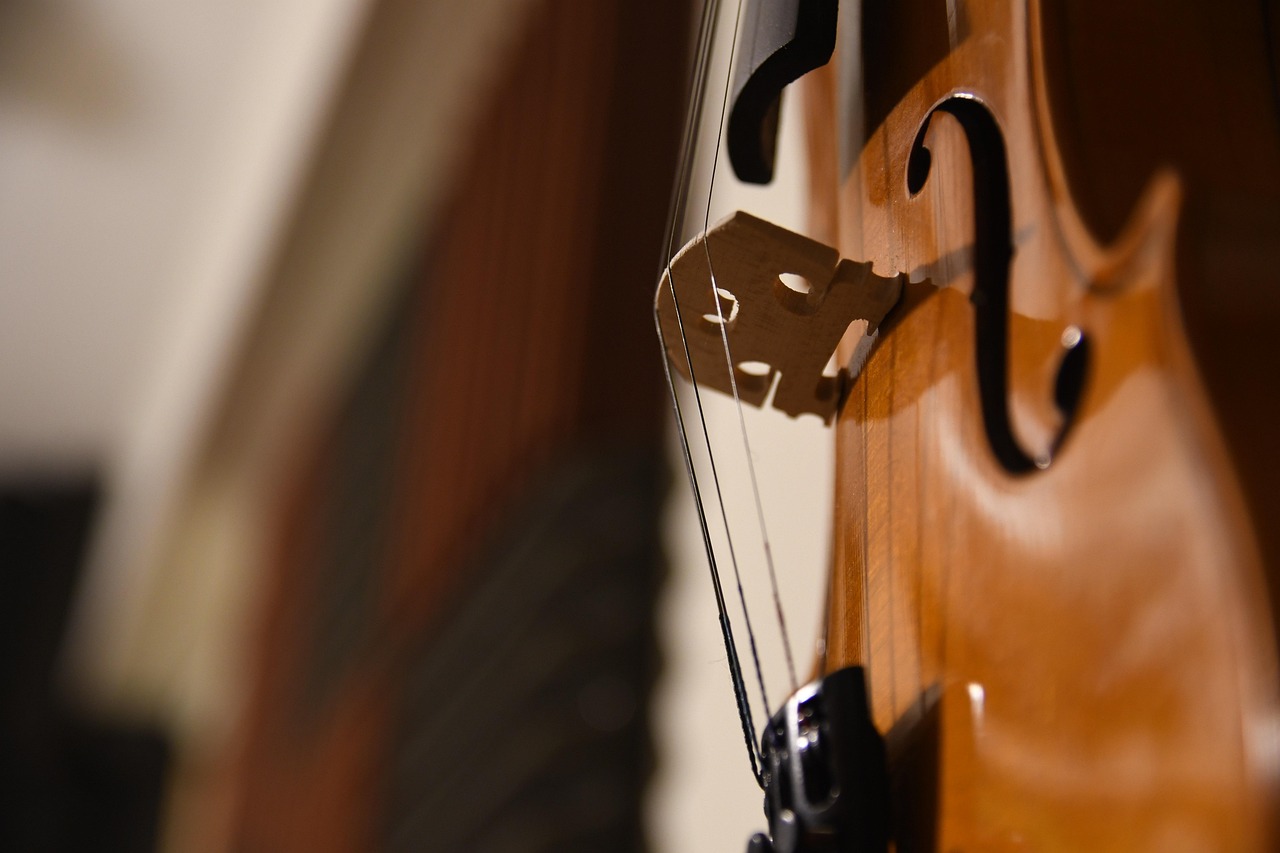
Standard Pitch References and Acoustic Standards
The Historical Evolution of A440
Pitch standards varied significantly across European regions for centuries, with different cities, cathedrals, and royal courts favoring drastically higher or lower frequency baselines. Composers often wrote music specifically tailored for local acoustic norms, which creates ongoing challenges for modern historical performance practices when reviving older repertoires.
International agreements in the twentieth century popularized A440 to simplify instrument manufacturing and establish a common reference across borders. While North American and British ensembles generally adhere to A440, many leading European orchestras deliberately tune slightly higher, often choosing A442 or A443 to achieve a brighter, more brilliant orchestral timbre. Regardless of whether an ensemble selects 440 or 442 hertz, every musician in the group must calibrate to that exact shared frequency.
Electronic Tuners Versus Acoustic References
Modern musicians frequently utilize digital chromatic tuners and smartphone applications to verify their baseline pitch before rehearsals officially begin. These technological tools measure exact frequency hertz instantly, giving players a visual confirmation of their current intonation status in various rehearsal spaces.
Despite digital precision, orchestral players must ultimately blend with surrounding acoustic soundwaves rather than relying solely on visual screen indicators during live ensemble performance settings. Human ears remain the final arbiter of proper harmonic balance and intonation inside any concert hall environment, ensuring true musical resonance.
Temperature and Humidity Effects on Pitch
Environmental shifts inside busy concert halls continuously alter physical instrument materials. Many woodwind instruments tend to rise in pitch as they warm up, though the degree and direction of change varies by instrument type, construction material, and playing conditions. String instruments can slip out of tune when exposed to temperature changes (which affect string tension and pitch) or significant humidity shifts (which affect the wood and can alter playability over time).
Rehearsal routines must account for these physical changes, requiring players to recheck their tuning after the initial warm-up period concludes. Conductors often pause briefly to allow instrumental sections to readjust their equipment before tackling demanding passages in complex symphonic scores.
For closely related guidance, see easiest orchestra instrument to learn.
The Role of the Oboe in Orchestral Tuning
Why the Oboe Provides the Initial A
The oboe possesses a distinct, piercing timbre that is exceptionally rich in upper overtones, making it easily distinguishable across a large, busy rehearsal stage for all waiting musicians. This acoustic prominence ensures that players can hear the reference pitch clearly despite ambient room chatter and equipment preparation noise.
Historically, double-reed stability and relatively fixed mechanical properties made the oboe a reliable pitch anchor compared to more volatile gut strings or early brass designs. In modern rehearsals, if an immovable fixed-pitch instrument such as a pipe organ or concert grand piano is featured, the oboist first takes the reference pitch directly from that instrument before sounding the concert A for the rest of the orchestra.
Oboe Timbre and Harmonic Overtones
The unique acoustic spectrum generated by the oboe helps string players hear exact intervals quickly when establishing their initial open strings before the full ensemble starts playing together. These prominent upper partials provide clear acoustic guideposts for matching fundamental frequencies across diverse instrumental registers.
Musicians use these bright harmonic frequencies to measure intonation efficiently without requiring excessive volume or forcing unnecessary physical strain onto the delicate double reed mechanism during the critical tuning sequence preceding rehearsal downbeats.
Adjusting Oboe Pitch to Environmental Conditions
Oboe players warm up thoroughly before giving the pitch to ensure their instrument’s internal bore reaches stable operating temperatures matching the hall’s ambient climate. A cold bore and reed that have not yet reached playing temperature can cause pitch instability during the first moments of playing.
If environmental factors alter the oboe’s baseline frequency, the player adjusts their embouchure or reed placement slightly before delivering the official concert A to the waiting orchestra members across the stage.
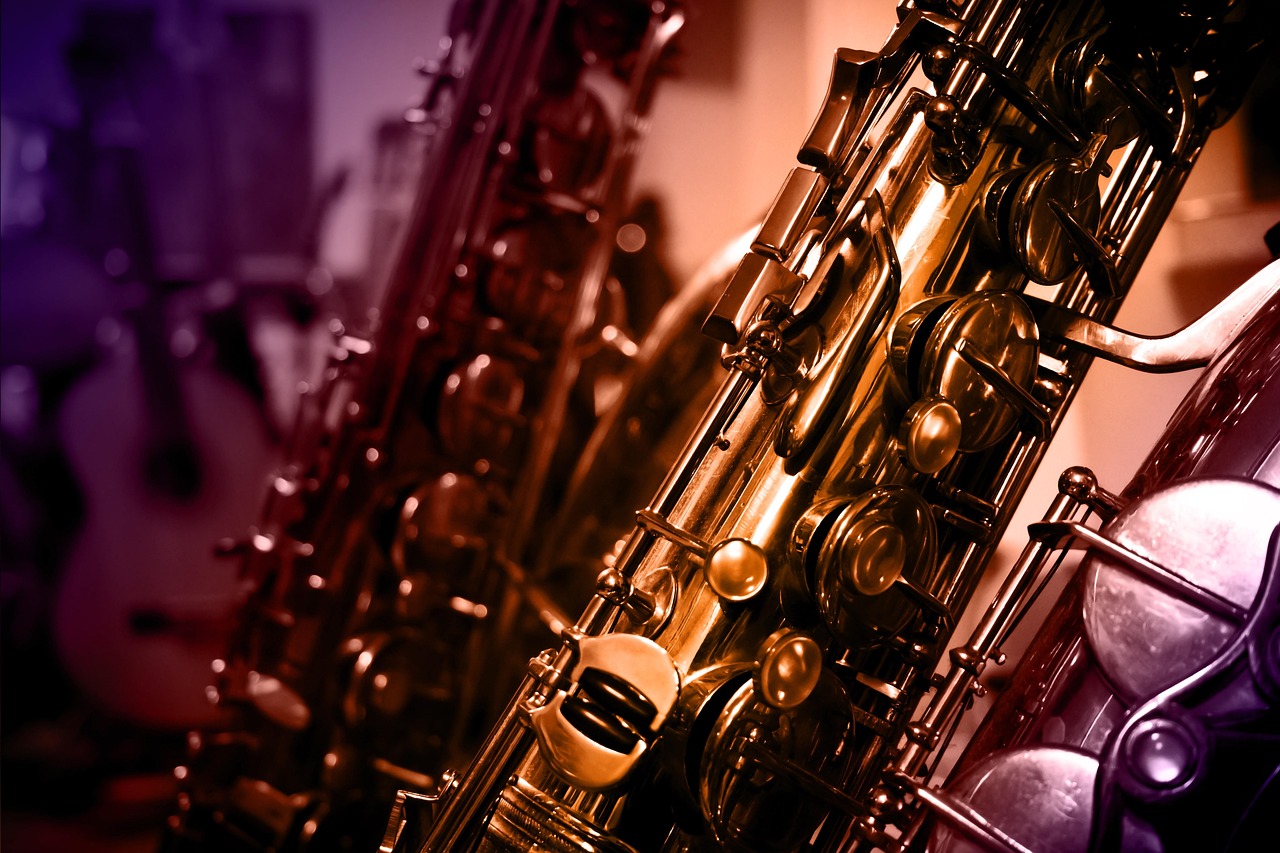
For closely related guidance, see biggest instrument in orchestra.
String Instrument Tuning Mechanics and Intervals
Violin and Cello Fifths tuning
Violins and cellos tune their four strings in precise intervals of perfect fifths. Players begin by matching their open A string to the oboe’s reference note before tuning outward in fifths: violins tune down to D and G and up to E, while cellos tune downward through D, G, and low C. Tuning strings in pure acoustic fifths maximizes sympathetic resonance across the instrument body, giving the strings their characteristic warmth and projection.
Musicians adjust fine tuners and wooden pegs carefully to lock these fifths into resonant harmony, avoiding unwanted acoustic beating between adjacent strings during quiet musical passages that expose intonation flaws.
Viola Tuning Specifics and Range
Violas tune their four strings a fifth lower than violins, utilizing a C-G-D-A configuration that bridges the sonic territory between violins and cellos. Viola players begin by tuning their open A string to the oboe, then tune descending pure fifths to D, G, and the rich, thick low C string.
Because the viola body is acoustically smaller than theoretically ideal for its low register, setting pure harmonic fifths requires meticulous listening to sympathetic vibrations. Players adjust fine tuners and friction pegs firmly, ensuring stable tension across shifting hall temperatures without disrupting the instrument’s warm, dark resonance.
Double Bass Tuning in Fourths
Unlike the higher orchestral strings, the double bass tunes in ascending perfect fourths—E, A, D, and G—to accommodate its massive fingerboard scale length. Tuning in fourths across such a long scale length is one practical accommodation for the instrument’s size and playing demands; the historical reasons for this convention are multiple and not reducible to a single cause.
Bassists tune their A string first against the oboe or cello section, then check adjacent strings using natural harmonics at nodal points (such as the octave and fifth nodes) or open fourth intervals. Many orchestral instruments also feature a low C extension or fifth string, providing fundamental low-register depth beneath the full orchestra.
For closely related guidance, see sounds of instruments of the orchestra.
Woodwind and Brass Pitch Adjustments
Flute and Clarinet Tuning Slides
Flutes adjust their overall pitch by pulling out or pushing in the headjoint where its tenon inserts into the body barrel, altering the total length of the vibrating air column. Pushing the headjoint in shortens the tube to raise the pitch, while pulling it out lengthens the tube to lower the pitch. Because metal tubing conducts heat rapidly, ambient room temperatures and warm breath noticeably influence flute intonation during rehearsals.
Clarinets utilize barrel rings and middle joints similarly, modifying physical instrument length to compensate for temperature variations that occur throughout extended rehearsal sessions under hot stage lighting.
Horn and Low Brass Pitch Integration
While French horn players adjust pitch dynamically using right-hand positioning inside the bell alongside valve slides, lower brass instruments rely on main tuning slides, mechanical triggers, and valve compensators. Trombones utilize subtle slide adjustments rather than hand-stopping techniques to fine-tune each partial across complex dynamic ranges.
Brass instruments warm up quickly under stage lighting, causing pitches to rise. Players must listen closely across the full ensemble texture, making micro-adjustments with lip tension, embouchure firmness, and embouchure air velocity to stay centered during delicate chorales and powerful tutti passages alike.
Woodwind Embouchure Corrections During Rehearsal
Woodwind intonation shifts dynamically with volume changes, requiring distinct compensations across different instrument families. Flutes tend to sharpen at louder dynamics and flatten at softer ones in many playing situations, though this varies by player, instrument, and register. Reed instruments such as clarinets and oboes can show the opposite tendency in some contexts, but intonation behavior across dynamics differs by instrument design, reed characteristics, and individual technique.
Musicians compensate by altering airstream angle, adjusting vocal tract voicing, and controlling embouchure firmness. Maintaining focused, flexible breath support prevents intonation distortion across dynamic extremes, preserving pure harmonic blends without compromising tone quality.
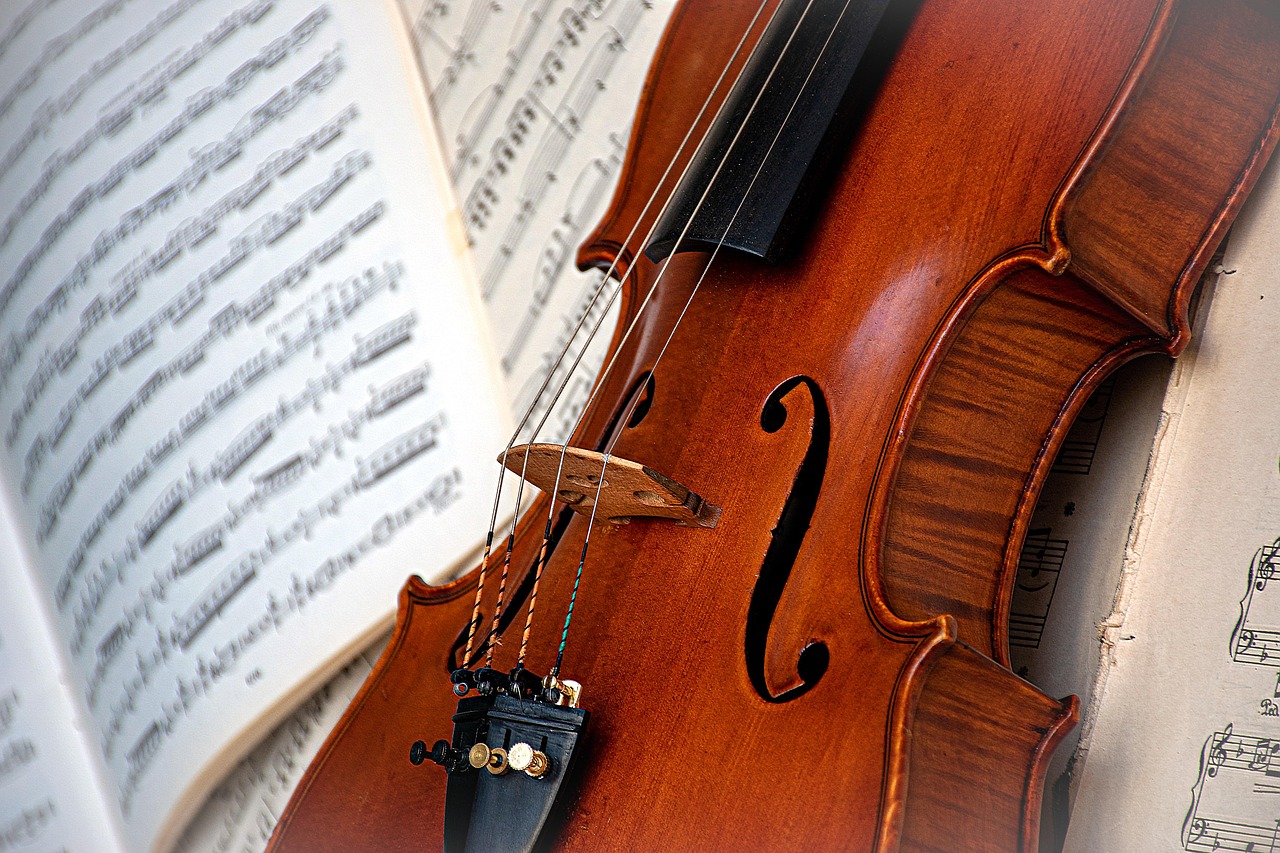
Frequently Asked Questions
Why does the orchestra tune to the oboe instead of the concertmaster?
While the concertmaster leads the formal tuning protocol on stage and nods to invite the oboist to play, the oboe supplies the acoustic reference pitch for the hall. This shared ritual bridges individual warm-ups with collective musical cohesion.
The distinct, overtone-rich timbre of the double reed penetrates the concert hall acoustic far more decisively than a bowed violin string, offering an unmistakable pitch center while the ensemble settles immediately before the conductor walks onto the podium.
What happens when an orchestra tunes to a different frequency standard?
Some specialized ensembles perform period-instrument repertoire using historical tuning standards such as A415, which lowers the overall pitch frequency and is most closely associated with Baroque performance practice.
Musicians utilize different instruments or specialized string tensions in these contexts to preserve the authentic tonal color intended by eighteenth-century classical and baroque composers without straining modern equipment.
How do transposing instruments fit into the orchestral tuning process?
Transposing instruments sound pitches that differ from their written notation, requiring musicians to finger the correct note to match the oboe’s concert A. For example, a B-flat clarinet player sounds concert A by playing a written B-natural, whereas an A clarinet player fingers a written C-sharp to produce that same pitch.
French horn players in F finger a written E-natural to match the concert A. Players check these notes during the tuning sequence, often adjusting their main tuning slides or valve slides slightly to calibrate their instrument to the hall’s agreed baseline.
How do string players fine-tune their instruments after hearing the initial pitch?
After the oboe sounds the reference pitch, string players quickly check their A string against that acoustic target. Violin, viola, and cello players then use their knowledge of perfect fifths to tune their remaining strings up and down from that established baseline. They listen closely for acoustic beats—pulsing interference patterns that occur when two pitches are slightly out of alignment.
Once the beating disappears and the intervals lock into pure resonance, the strings are properly aligned. Players also use natural harmonics on the fingerboard to verify octave relationships quickly. This fast acoustic cross-checking ensures the entire string section shares a completely unified intonation profile before the conductor steps up to the podium.
Why must an orchestra retune after an intermission?
Stage lights and changing backstage temperatures cause woodwind and brass tubing to contract or expand rapidly when left idle during an intermission break. When musicians return to the stage, their instruments may have cooled or shifted in response to changed ambient conditions — the hall may be warmer or cooler depending on audience presence and ventilation — altering their baseline frequency from the agreed tuning pitch.
Conductors therefore allocate a brief re-tuning period at the start of the second half of a concert. The oboe sounds the concert A once again, allowing every instrumentalist to compensate for thermal drift. This necessary reset maintains accurate harmonic blend and prevents noticeable intonation clashes as the performance resumes.
How can listeners identify intonation problems from the audience seats?
Audience members often perceive poor intonation as a distinct acoustic roughness or wavering sound within chords, which musicians call beating. When two instruments play frequencies that are close but not identical, their sound waves interfere with one another, creating audible surges in volume. This phenomenon becomes particularly noticeable in sustained string passages and quiet woodwind chorales.
Experienced listeners tuning their ears to ensemble balance can track how well each instrument family aligns with the prevailing harmonic center. Recognizing these subtle acoustic shifts deepens one’s appreciation of live symphonic performance, highlighting the coordination required to keep diverse instruments sounding as a single cohesive voice.
What role do low strings play in supporting the ensemble intonation?
Cellos and double basses provide the acoustic foundation upon which the upper orchestral harmonies rest during complex symphonic movements. Because low frequencies carry deep acoustic weight, any intonation deviation in the bass section immediately destabilizes the harmonic perception of the entire ensemble. Their precise tuning — cellos in fifths, double basses in fourths — establishes a stable gravitational center for the whole group.
Woodwinds and upper strings rely heavily on these lower acoustic pillars to gauge their own pitch placement within major and minor chord structures. When the bass instruments maintain rock-solid intonation, supporting voices can lock their intervals securely into the underlying harmonic framework, ensuring a rich and resonant ensemble texture throughout demanding performance passages.