Ludwig van Beethoven’s Symphony No. 7 in A major, Op. 92, features a celebrated second movement marked Allegretto that stands as one of the most hypnotic and emotionally resonant creations in the orchestral repertoire.
Built upon a relentless, marching rhythmic cell, this movement moves away from a traditional slow Adagio or Andante tempo to create a unique sense of walking momentum, driving forward with haunting minor-mode intensity before resolving into radiant major-mode interludes.
For amateur orchestral musicians and attentive listeners alike, understanding the technical mechanics, rhythmic discipline, and delicate textural balance of this movement is essential for capturing its profound dramatic tension and expressive weight.
Rhythmic Foundation and Meter
Mastering the Opening Dactyl Rhythm
The entire emotional architecture of the Allegretto rests upon the steady execution of its signature long-short-short rhythmic cell (often described as a dactyl figure). Players must internalize this pulse without rushing the shorter note values, ensuring the meter remains stable.
Conductors often set a deliberate tempo that feels like a heavy, measured footfall. Instrumentalists need to practice subdivisions mentally to prevent the dotted figures from distorting into triplets during passages of shifting texture.
Maintaining Tempo Across Dynamic Arches
As the movement swells from fragile pianissimo openings to massive dynamic climaxes, orchestras frequently experience tempo instability. The natural tendency is to rush during crescendos and drag when returning to softer dynamics.
Ensemble members should monitor the internal subdivision constantly, listening across sections rather than relying solely on the baton. Preserving the strict pulse protects the structural integrity of Beethoven’s cumulative design.
Navigating the Fugato Transition
The interior fugato section introduces complex polyphonic layers that test the rhythmic coordination of the entire ensemble. Each entering voice must articulate its theme with absolute clarity while matching the established tempo.
Players should isolate their entry points during sectional practice to ensure clean articulation. Listening carefully to preceding voices allows the counterpoint to emerge organically without disrupting the prevailing momentum.
To appreciate the broader orchestral context, review the detailed insights found within the Beethoven symphony 7 movement 2 guide.
For closely related guidance, see beethoven 9th symphony 2nd movement.
String Bowing and Articulation
Achieving the Distinctive Weight
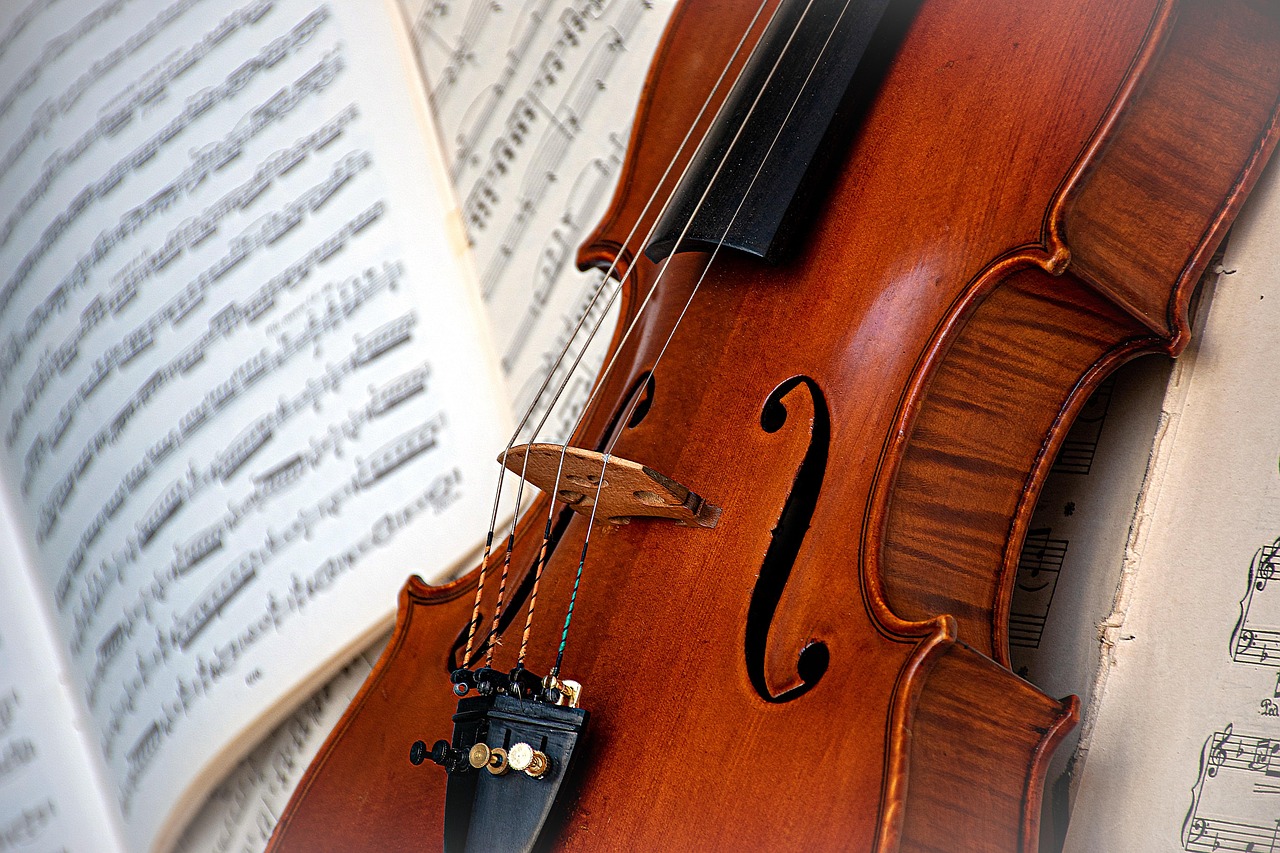
Lower strings carry the primary burden of the opening theme, requiring careful control of bow distribution and pressure. The articulation should be heavy yet smooth, avoiding harsh scratching while maintaining a dark timbre.
Violas, cellos, and double basses must coordinate their bow speeds to produce a unified sound. Using a contact point slightly toward the fingerboard can help produce a darker, rounder tone, though players should experiment to find the balance between depth and clarity.
Controlling Articulation in Higher Registers
When the melody ascends into higher string registers, the potential for brittle tone production increases significantly. Players must adjust their bow weight and contact point as they move into higher registers, where producing a warm tone requires more careful calibration to avoid a brittle or glassy sound.
Shifting between legato lines and punctuated accents demands precise fingerboard accuracy. Practicing these passages with varied bow strokes helps identify the exact pressure needed for clean execution.
Managing Subtle Crescendos in Strings
Beethoven frequently requests gradual volume shifts across sustained chords within the string sections. Controlling these micro-dynamics requires exceptional bow speed management and coordinated bow pacing across the section.
Players should align their bow usage targets with neighboring desk partners to maintain a seamless collective sound. Avoiding sudden surges ensures the underlying harmonic tension builds naturally toward designated peaks.
Woodwind Integration and Color
Blending Clarinets and Bassoons
Woodwinds play a pivotal role when introducing and coloring the secondary themes of the movement. Clarinets and bassoons must blend their distinct timbres to create a warm, organ-like sonority that contrasts with the strings.
Intonation adjustments are critical during sustained wind chords, especially in transitional passages. Players should listen across instrument families to balance dynamic levels and achieve a unified expressive color.
Balancing Countermelodies with Main Textures
Independent woodwind countermelodies weave through the texture while the strings sustain the primary rhythmic drive. These secondary lines require careful projection without overwhelming the underlying harmonic framework.
Musicians must gauge the acoustic properties of the performance venue to determine appropriate projection levels. Subtle dynamic scaling allows these intricate counterlines to emerge clearly for the listener.
Executing Delicate Woodwind Entrances
Soft woodwind entrances following intense orchestral climaxes demand absolute breath control and embouchure stability. Players must prepare their embouchure and air support silently before initiating sound to prevent breathy attacks.
Conductors often rely on these exposed woodwind moments to reset the emotional atmosphere of the hall. Clean, confident articulation ensures these transitional gestures maintain the hypnotic mood.
Structural Form and Dynamics
Navigating the Movement’s Variation-Based Architecture
The movement follows a broadly rondo- or variation-like plan (analysts describe it variously as a theme with variations, a ternary form, or a rondo-like hybrid; any letter schema is an approximation) that helps performers and listeners anticipate shifting emotional landscapes. Each return of the primary theme introduces subtle orchestration changes that alter its character.
Musicians should study the full score to recognize how their specific part fits into the broader architectural design. This macro-awareness prevents mechanical playing and encourages more responsive ensemble phrasing.
Interpreting the Major-Mode Interludes
The sudden shift into the bright A major interlude offers a momentary oasis of warmth and solace. Performers must lighten their tone quality immediately to reflect this transformation in light and mood.
Balancing the radiant scalar passages against residual minor-mode tension requires precise dynamic restraint. Listeners should note how the instrumentation thins out to highlight this lyrical pastoral beauty.
Handling the Gradual Decrescendo Endings
The movement concludes with a remarkable dissolving gesture that fades into silence through incremental steps. Maintaining intensity of tone while drastically reducing volume is a profound technical challenge.
Players must sustain their mental focus right up to the final rests, avoiding premature relaxation. This disciplined decay creates the illusion that the music is drifting away into infinite space.
Further details regarding the larger work are available when you consult the dedicated Symphony no 7 movement 2 overview.
Frequently Asked Questions
What tempo should the Allegretto actually be taken?
Beethoven originally marked the movement Allegretto, which indicates a walking pace rather than a fast dance. Many modern conductors take a slightly measured tempo to emphasize the tragic, processional weight inherent in the minor-mode writing.
Amateur orchestras should avoid rushing the initial pulse, as too fast a tempo may reduce the processional weight some conductors seek in this movement, though tempo choice ultimately depends on the conductor’s interpretive approach. Rehearsing with a strict metronome foundation helps stabilize the collective ensemble perception of this walking speed.
Why is this movement often performed out of sequence?
During the nineteenth and early twentieth centuries, individual movements of major symphonies were frequently performed in isolation as standalone pieces. The profound popularity and immediate emotional impact of the Allegretto made it a frequent choice for concert encores.
In modern performance practice, conductors typically perform the movement within its full symphonic context. Listening to the entire symphony preserves the dramatic journey leading up to and following this famous movement.
How can amateur players maintain tension in soft passages?
Sustaining high expressive intensity during prolonged pianissimo sections requires active physical engagement from every player. Bow speed, air support, and mental focus must remain fully active despite the low volume level.
Rehearsing these quiet sections with slight exaggeration of dynamic control builds necessary muscle memory. Ensemble listening exercises help musicians hear past their own instruments to maintain a unified, sustained pianissimo.
How does score reading help amateur string players navigate the fugato section?
Studying the full orchestral score allows string players to visually track how their individual thematic entrances interlock with accompanying woodwind and lower string voices. By recognizing where their specific line acts as a subject, countersubject, or pedal point, musicians move beyond mechanical counting to understand polyphonic hierarchy in real time during ensemble rehearsals.
This broader structural awareness prevents players from inadvertently burying inner voices or over-projecting when they carry secondary material within the movement’s texture. When string sections grasp the entire contrapuntal web, sectional balance stabilizes naturally across complex imitative passages, significantly improving overall ensemble timing, phrasing coordination, and cohesive articulation.
What specific balance challenges do woodwinds face when supporting string textures?
Woodwind players must constantly gauge their projection against the dense, dark timbre of the lower strings carrying the primary ostinato rhythm. Because oboes and flutes may sustain countermelodies or delicate bridge passages during this movement — though their roles and prominence vary by passage — they risk cutting through the texture if air support or embouchure shape is too forceful.
Musicians should practice blending their tone by listening intently across instrument families rather than isolating within their immediate section. Adjusting dynamic levels downwards during heavy string crescendos ensures that vital wind counterlines remain transparent without ever disrupting the overarching dramatic trajectory of the orchestral performance.
How can amateur musicians use cross-sectional listening to prevent dragging?
Ensemble dragging usually occurs when players focus too narrowly on their immediate desk partners instead of tracking the master pulse across the entire stage. Musicians performing this movement should actively lock their ears onto the steady rhythmic subdivisions carried by the lower strings while maintaining clear peripheral awareness of the surrounding instrumental sections.
During prolonged dynamic builds, consciously matching the physical bow speed or breath support of distant instrument families creates a shared sense of forward momentum. This vital collective accountability stops unintentional tempo fluctuations and preserves the strict, processional march character demanded throughout the entire symphonic movement.
What role does bow direction coordination play in achieving the opening articulation?
Coordinating down-bow and up-bow assignments across an entire string section is essential for producing uniform weight on the movement’s long-short-short rhythmic cell. When players alternate bow strokes inconsistently during this movement, the accent patterns can become blurred, weakening the march-like impact of the opening theme.
Section leaders must establish clear bowing markings in advance, ensuring that all players utilize identical stroke lengths and synchronized string crossings. This deliberate uniformity allows the string ensemble to execute heavy down-bow accents with absolute precision, capturing the dark dramatic tension inherent in the foundational classical string writing.
How should orchestras approach sectional rehearsals for the major-mode interludes?
Sectional rehearsals for the A major interludes within this movement should focus on lightening tone production and adjusting vibrato width and speed to suit the contrasting character. Because this bright section requires a stark contrast in mood from the surrounding minor-mode tension, players need to practice shifting from heavy processional strokes to a more lyrical, open sonority.
Woodwinds and strings should rehearse their interlocking scalar passages together to balance intonation and unified phrasing. Isolating these tranquil passages helps musicians master the delicate transition back into the darker thematic material without causing sudden volume drops, awkward phrasing gaps, or unwanted rhythmic hesitation.