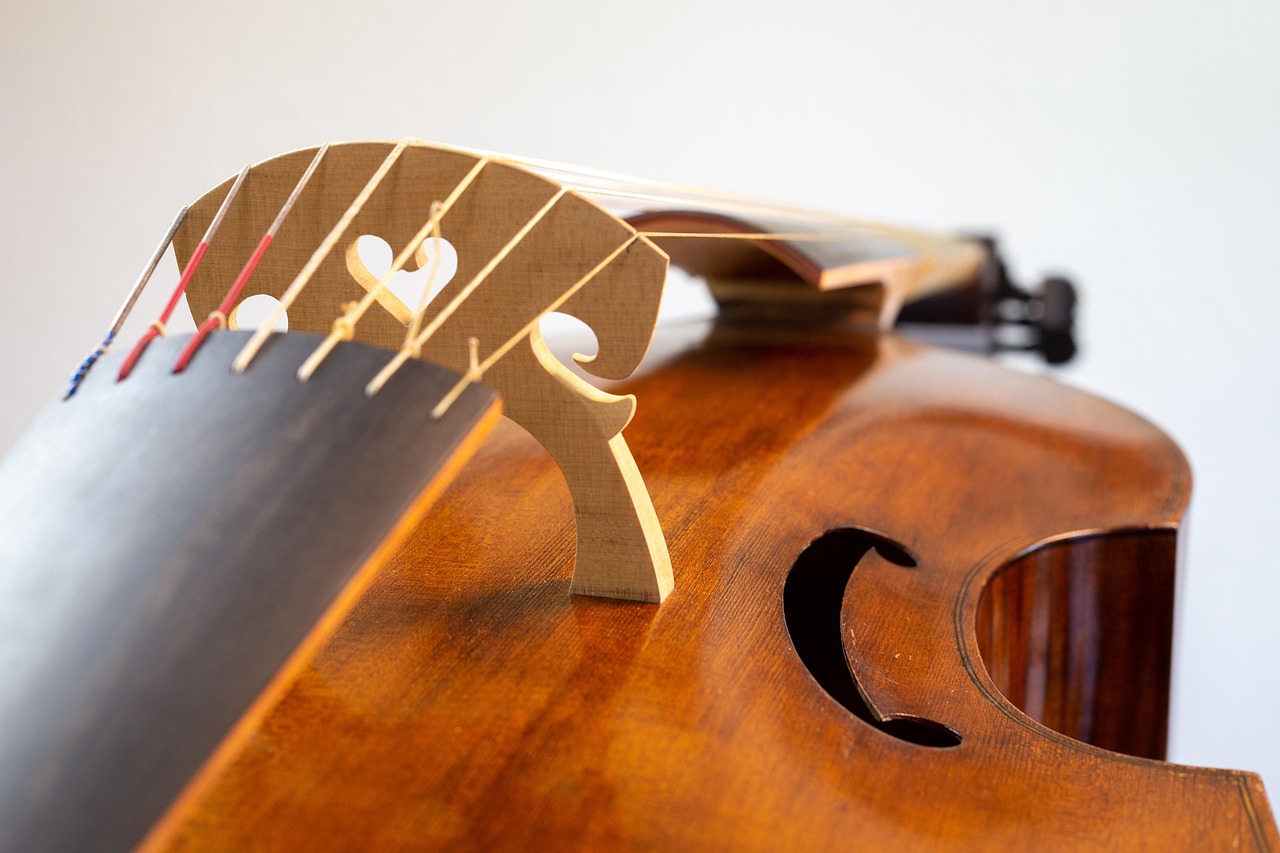
The 7-string viola da gamba occupies a distinctive position in historical performance practice, serving as both a solo voice and a foundational bass instrument in Renaissance and Baroque music. For amateur orchestral musicians and dedicated listeners, understanding its construction, technique, and repertoire offers profound insight into early ensemble textures.
Independent educational guides focus on practical mechanics, stylistic context, and acoustic properties without relying on modern orchestral assumptions. Exploring this instrument illuminates broader historical traditions of consort playing, score reading, and collaborative listening.
Historical Development and Design of the 7-String Viola da Gamba
Origins and Evolution in the Renaissance and Baroque Eras
The viola da gamba evolved during the late fifteenth century in the Iberian Peninsula before spreading rapidly throughout European courts. Initially constructed in various sizes to mimic vocal ranges, the instrument became a cornerstone of domestic and courtly music-making.
As musical styles shifted into the Baroque era, the repertoire demanded greater technical facility and an expanded lower register, prompting luthiers to modify traditional designs to meet the evolving artistic requirements of professional and amateur players alike.
Constructional Differences from Modern Violin Family Instruments
Unlike members of the modern violin family, the viola da gamba features a flat back, sloping shoulders, and unlined ribs. These structural characteristics alter the instrument’s acoustic resonance, producing a quieter, more complex tone rich in overtones.
Furthermore, gambas are traditionally strung with gut strings rather than steel, requiring different tension management and producing a warm, vocal quality that blends uniquely with historical woodwinds and plucked continuo instruments.
The Addition of the Seventh String and Extended Lower Range
The pivotal development of the 7-string bass viol occurred in France during the mid-seventeenth century, largely credited to the virtuoso and composer Sainte-Colombe. Adding a low A string below the standard six-string tuning extended the instrument’s bottom register significantly.
This seventh string allowed players to execute complex basslines independently without relying on keyboard reinforcement, transforming the instrument into a true polyphonic solo voice capable of counterpoint and dense harmonic exploration.
Fretted Fingerboards and Sympathetic Resonance Mechanics
Viola da gamba fingerboards feature tied gut frets rather than permanent metal bars. These adjustable frets provide consistent intonation checkpoints while allowing players to tune specific performance keys with historical temperaments.
Additionally, the open nature of the instrument, combined with multiple strings vibrating sympathetically, creates a reverberant acoustic envelope that requires careful articulation from players to maintain clarity within a busy ensemble texture.
When examining extended range bowed instruments, looking into alternative 5 string cello tuning reveals similar design motivations behind adding lower strings.
Technique, Bowing, and Ergonomics for Amateur Players
Posture, Holding the Instrument, and Underhand Bow Grip
Playing the viola da gamba requires holding the instrument vertically between the calves, supported entirely by the legs rather than a floor endpin. This upright posture demands balanced core engagement and relaxed shoulder alignment to prevent fatigue.
The bow is held with an underhand grip, where the fingers rest directly against the hair. This traditional grip facilitates subtle control over articulation, dynamics, and articulation nuances essential for early music phrasing.
Left-Hand Fingering and Intonation on a Fretted Neck
The presence of gut frets simplifies basic stopping mechanics, but left-hand technique remains nuanced due to string spacing and tension. Players must drop fingers squarely behind the frets to avoid buzzing and ensure clean pitch production.
Shifting positions requires careful thumb placement behind the neck to maintain frame integrity, allowing amateur instrumentalists to navigate complex scales and arpeggios across the extended seven-string fingerboard reliably.
Articulation and Bow Stroke Variations in Consort Playing
Historical bowing principles emphasize the rhetorical nature of music, connecting bow direction with speech patterns. Down-bows and up-bows carry inherent accent hierarchies that dictate phrasing in Renaissance and Baroque repertoire.
Amateurs learn to vary stroke velocity and pressure to create articulate, speech-like consonants on the instrument, ensuring that rapid scalar passages remain transparent rather than slurred or heavy.
Managing Physical Tension and Ergonomic Adjustments
Because historical instruments lack modern ergonomic aids like chinrests or shoulder rests, physical self-awareness is vital. Players must frequently check for excessive grip tension in the bow hand and left forearm.
Proper chair height and footstool adjustments help accommodate individual body proportions, enabling sustainable practice habits and preventing repetitive strain injuries common among adult amateur musicians exploring historical stringed instruments.
Score Reading and Part Realization for Renaissance and Baroque Repertoire
Reading from Original Facsimiles and Early Clefs
Encountering early music often involves reading from historical facsimiles or modern editions retaining original clefs, such as soprano, mezzo-soprano, alto, and tenor clefs. This requires amateur musicians to develop fluent multi-clef reading skills.
Practicing clef reading enhances overall score comprehension, enabling players to visualize how their specific 7-string bass line interacts with upper voices in polyphonic textures without relying entirely on transcribed modern editions.
Realizing Basso Continuo and Choral Accompaniment Parts
The 7-string viola da gamba frequently acts as a basso continuo instrument, supporting vocal ensembles and instrumental groups. Players must learn to interpret figured bass symbols when doubling keyboard parts or supporting soloists.
Realizing these parts involves selecting appropriate registers, respecting harmonic rhythms, and occasionally improvising brief counter-melodies that complement the primary vocal or instrumental line without obscuring the text.
Ornamentation Conventions and Stylistic Improvisation
Baroque and Renaissance music relies heavily on improvised ornamentation to embellish melodic lines. Players use historical treatises to guide their execution of trills, mordents, and appoggiaturas appropriate to specific national styles.
Developing an internal vocabulary of ornaments allows amateur musicians to bring expressive vitality to repeated sections, treating the written score as a flexible framework rather than an inflexible prescription.
Integrating Gamba Parts into Full Orchestral Textures
Balancing a quieter historical instrument within an amateur orchestral setting requires careful listening and acoustic awareness. Players must adjust projection methods to blend with woodwinds and modern string sections appropriately.
Understanding orchestration principles from the seventeenth and eighteenth centuries helps musicians identify when their part carries thematic importance and when it functions purely as harmonic reinforcement.
Rehearsal Practices, Ensemble Dynamics, and Listening Skills
Tuning Systems and Temperaments in Historical Ensembles
Historical performance practice often utilizes alternative tuning systems such as meantone temperament or well-temperament rather than modern equal temperament. This creates purer harmonic intervals in specific keys.
Amateur players must practice adjusting individual frets or tuning specific strings to match the prevailing temperament of the ensemble, fostering a collaborative approach to intonation and harmonic purity.
Balancing Textures with Woodwinds and Other Strings
Consorts and chamber orchestras featuring historical instruments require careful attention to dynamic balance. The warm, resonant timbre of the 7-string gamba blends uniquely with recorders, baroque oboes, and natural trumpets.
Ensemble members must listen actively to ensure that the bass voice supports the upper instruments without overwhelming delicate wind articulations or masking counterpoint within inner voices.
Active Listening and Intonation Adjustment Within a Consort
Playing in a small string consort demands intense listening skills. Because gut strings possess flexible pitch centers, musicians must continuously micro-adjust their intonation relative to surrounding players.
Developing this collective ear transforms ensemble rehearsals from mechanical note-reading sessions into unified musical dialogues, improving overall blend and rhythmic cohesion across the entire group.
Preparing for Collaborative Orchestral and Chamber Readings
Effective preparation for collaborative readings involves studying the full score rather than just the individual part. Amateur musicians benefit from identifying structural cadences, thematic entrances, and tempo shifts.
Clear communication regarding bowing marks, breathing points, and stylistic preferences ensures that ad-hoc chamber groups and amateur orchestras achieve cohesive artistic results efficiently during limited rehearsal time.
Balancing lower register instruments requires careful listening habits akin to those needed within a traditional string quartet with double bass.
Integrating Historical Instruments into Modern Amateur Orchestral Settings
Repertoire Selection for Mixed Historical and Modern Ensembles
Selecting appropriate repertoire is crucial when integrating the 7-string viola da gamba into amateur music-making groups. Works by Marin Marais, J.S. Bach, and English consort masters offer accessible yet rewarding challenges.
Arrangements must be carefully evaluated to ensure the instrument’s unique acoustic profile remains audible and musically relevant within the chosen ensemble configuration, avoiding overly dense modern orchestrations.
Pitch Standards (A=415Hz vs A=440Hz) and Transposition
Historical ensembles frequently perform at pitch standards lower than modern concert pitch, commonly utilizing A=415Hz or A=392Hz to reduce string tension and alter instrumental timbre. This requires careful coordination.
Amateur musicians must understand transposition mechanics or possess appropriately pitched instruments to participate in mixed consort settings without straining their vocal or instrumental ranges.
Educational Resources, Independent Study, and Masterclasses
Independent educational guides, historical treatises, and specialized workshops provide essential support for amateur players seeking to improve their technique without formal conservatory access.
Utilizing these resources helps learners navigate technical hurdles, historical performance conventions, and instrument maintenance practices through structured, self-directed study methods.
Preserving Instrument Care and Maintenance Routines
Wooden instruments like the viola da gamba require careful environmental management. Maintaining stable humidity levels prevents wood cracking, open seams, and fingerboard warping over time.
Routine maintenance tasks, such as replacing gut strings, adjusting bridge placement, and cleaning rosin dust from the flat back and ribs, ensure the instrument remains responsive and stable during regular ensemble use.
Orchestral arrangers frequently adapt historical textures to fit the instrumentation of a standard violin viola cello bass quartet configuration.
Frequently Asked Questions
What is the primary difference between a 6-string and a 7-string viola da gamba?
The primary difference is the addition of a low A string beneath the standard six-string tuning on the bass gamba. This extra string expands the instrument’s lower register, enabling players to execute complex independent basslines and denser polyphonic textures without relying heavily on keyboard accompaniment.
How do the frets on a viola da gamba affect intonation for beginners?
The tied gut frets act as physical checkpoints that guide finger placement, making it easier for beginners to find consistent pitches. However, players must still position their fingers accurately behind the frets and adjust for historical temperaments to ensure true harmonic consonance within an ensemble.
Can an amateur cellist easily transition to playing the viola da gamba?
While cello experience provides foundational string-playing skills, transitioning to the gamba requires adapting to an upright leg posture, an underhand bow grip, fretted intonation, and gut strings. The distinct physical mechanics mean that players must unlearn certain cello habits to produce an authentic historical tone.
Why is the underhand bow grip used instead of the traditional modern cello grip?
The underhand grip places the fingers in direct contact with the bow hair, allowing for subtle, highly articulate control over stroke dynamics and rhetorical phrasing. This traditional grip is essential for executing the speech-like inflections demanded by Renaissance and Baroque consort literature.
What pitch standard should amateur players use when playing in mixed consort groups?
Pitch standards depend on the specific repertoire and ensemble configuration. While modern concert pitch is A=440Hz, many historical consorts prefer A=415Hz. Amateur groups must agree on a unified pitch standard beforehand to ensure all instruments can achieve proper tuning and intonation alignment.
How should a 7-string viola da gamba be maintained in varying humidity environments?
Wooden instruments are sensitive to humidity fluctuations that can cause wood to crack or seams to open. Players should store the instrument in a stable environment, use a reliable hygrometer inside the case, and employ humidifiers or dehumidifiers to maintain relative humidity between forty and fifty percent.