Ludwig van Beethoven’s Symphony No. 5 in C minor, Op. 67, culminates in a blazing fourth movement finale marked Allegro. This movement explodes out of the quiet third-movement transition into a radiant C major triumph, expanding the traditional classical orchestra with newly added instruments.
For amateur orchestral musicians, navigating this movement requires rigorous attention to articulation, stamina, and dynamic contrast. Players must manage rapid string passages, intense woodwind integration, and complex harmonic shifts under demanding tempo requirements.
Listeners and score readers benefit immensely from analyzing how Beethoven structurally resolves the psychological tension built across the previous three movements. Understanding this architectural triumph deepens appreciation for the revolutionary orchestration choices embedded within the final score.
Orchestral Architecture of the Finale
Sonata-Allegro Form Expansion
Beethoven structures the final movement around a grand sonata-allegro design, yet he stretches traditional formal boundaries to their absolute limits. The exposition presents a bold primary theme in C major followed by a triumphant secondary group, establishing an unyielding sense of victory that contrasts decisively with the turbulent C minor of the earlier movements.
Amateur orchestral musicians studying the score will notice how the development section cleverly manipulates these primary motives rather than introducing extraneous melodic material. This structural cohesion unifies the entire symphony, anchoring the explosive dynamic culmination of the finale in rigorous classical logic, sustained tension, and relentless forward momentum across every section.
The Triumphant Major Transformation
The dramatic shift from C minor to C major represents the psychological core of the entire symphonic journey. Transitioning from the dark, menacing storm of the third movement into this brilliant tonal landscape requires a complete acoustic shift from the entire orchestra, demanding radiant brilliance and unbridled joy.
Listeners experience this transformation as a profound emotional catharsis, while ensemble players must carefully adjust their intonation and tuning tendencies. Major triads demand precise interval alignment, particularly within the string and woodwind sections, to project absolute tonal clarity and radiant warmth across large acoustic concert hall spaces without sounding forced. Careful listening ensures proper ensemble balance.
The Cyclic Return of the Scherzo
Near the end of the development section, Beethoven pulls back the musical energy by recalling the mysterious, muted march themes of the third movement. This unexpected cyclic return creates profound dramatic suspense, making the subsequent burst into the final recapitulation even more exhilarating for performers and attentive listeners alike.
Conductors and orchestra members must manage this sudden dynamic drop very carefully, avoiding any accidental loss of tempo or internal rhythmic pulse. Maintaining absolute focus and musical tension during these transitional bars prepares the audience for the glorious, triumphant return of the primary theme in full orchestral force without any hesitation or dragging.
For closely related guidance, see beethoven 9th symphony 4th movement.
String Playing Strategies for the Movement
Bowing Articulation in Fast Tempos
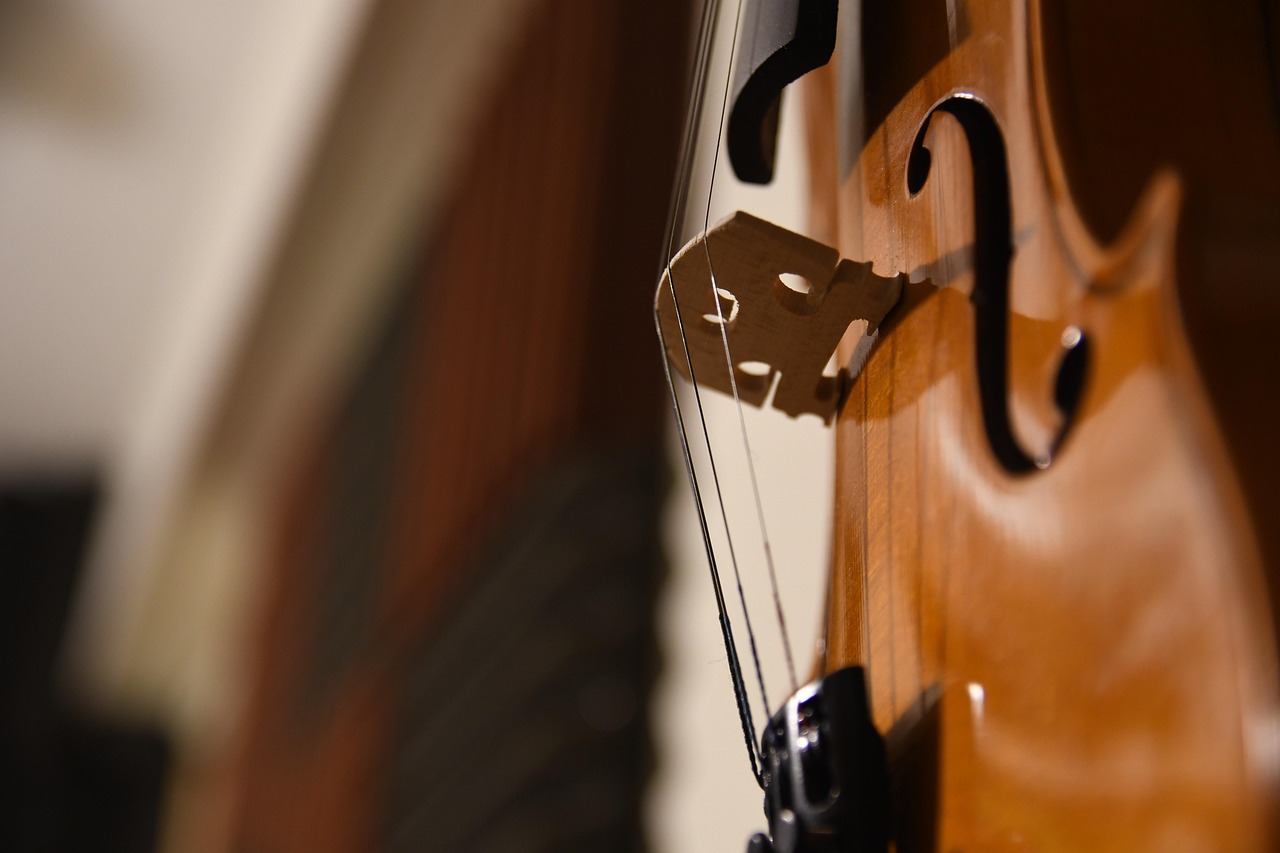
The rapid allegro tempo of the fourth movement demands crisp, articulate bow strokes from all string players. Down-bows and up-bows must be meticulously planned in advance to ensure that rapid scale passages and flying arpeggios remain clean, uniform, and rhythmically precise throughout the entire string section.
String players should avoid digging too heavily into the string, which can cause unwanted scratching and muddy textures during loud ensemble moments. Instead, utilize a lighter touch near the middle of the bow to maintain agility, speed, and clear articulation in fast passages without losing sound projection in the acoustic concert hall.
Managing Sustained C Major Dynamics
Sustaining loud dynamic levels across extended C major passages requires exceptional physical stamina for all musicians, alongside careful bow distribution for string players. Fatigue often leads to flattening pitch or sloppy articulation if performers do not pace their physical energy effectively throughout the grueling movement.
Orchestral players must listen actively across sections to balance fortissimo markings without overpowering the underlying harmonic structures. Maintaining a resonant, open sound without forcing the tone ensures that the joyful character of the major mode shines brilliantly to the audience without sounding harsh or abrasive to listeners in the distant back rows.
Navigating High Register Passages
Ludwig van Beethoven frequently pushes the violins into their upper register during the exciting finale to maximize acoustic brilliance and emotional intensity. These soaring melodic lines require careful shift preparation and relaxed left-hand technique to prevent sharp intonation lapses under intense concert performance pressure across large halls.
Amateur musicians should practice these high register segments slowly with a pitch drone, ensuring that finger placement remains accurate at strict tempo. Keeping the hand relaxed prevents physical tension from creeping into the shoulder and arm, which directly impairs overall performance quality during live orchestral concerts and large public rehearsal sessions.
For closely related guidance, see beethoven 6th symphony 5th movement.
Woodwind Integration and Balance
Piccolo and Contrabassoon Addition
The fourth movement introduces a piccolo and contrabassoon, permanently expanding the orchestral palette to create unprecedented sonic extremes. The piccolo adds piercing brilliance to the upper register, while the contrabassoon anchors the bass line with a deep, growling resonance that transforms the orchestral bottom end completely.
Woodwind players must carefully manage their dynamic blend, ensuring these novel instrumental colors enhance the tutti without overwhelming the primary string foundation. Score readers can trace these additions as a pivotal moment in orchestration history, expanding the classical soundscape toward romanticism with bold confidence and clarity for listeners in the acoustic concert hall.
Blending Timbre with Brass Tutti
Trumpets and trombones take on a commanding role in the finale, driving the triumphant military character of the C major sections. Woodwinds must project their florid lines clearly alongside the brass section without disappearing into the dense acoustic texture during fortissimo passages and fanfares.
Listening actively across sections helps woodwind players match the articulation style of the brass, ensuring cohesive unity during loud tutti statements. Balance requires conscious restraint from lower brass instruments so that intricate woodwind runs remain clearly audible to the audience throughout the entire concert hall space without any acoustic strain.
Intonation Challenges in Loud Climaxes
Playing at fortissimo levels naturally pushes certain wind instruments sharp while making others flat, creating severe intonation friction during loud orchestral climaxes. Woodwind players must be acutely aware of their instrument’s inherent acoustic tendencies and make real-time adjustments during fast moving melodic passages.
Practicing chorales in rehearsal at various dynamic levels helps ensembles develop the collective intonation stability required for the demanding final movement. Awareness of pitch centers prevents the orchestra from sounding out of tune during massive C major chords and sweeping orchestral arpeggios across all performing sections without any pitch failure.
For closely related guidance, see beethoven 5th symphony 1st movement.
Score Reading and Harmonic Analysis
Tracking Tonic-Dominant Relationships
Score reading the fourth movement reveals a masterclass in harmonic polarity and tonal resolution. Ludwig van Beethoven relies heavily on clear tonic-dominant relationships to map out the vast expanse of the C major key center, establishing firm tonal foundations throughout the exposition and development sections.
Students and musical analysts should trace how dominant preparations build unbearable musical tension before resolving into stable tonic chords. Recognizing these harmonic pillars illuminates the underlying architecture holding the massive movement together across multiple pages of complex orchestral notation in standard study scores for modern orchestral musicians and enthusiastic listeners.
Identifying Transitional Motives
The intricate bridges connecting major thematic groups contain essential motivic fragments derived directly from the opening fate motif. Score readers must look closely at the inner voices to spot these disguised rhythmic cells working quietly beneath the surface of the grand orchestration during transitions.
Recognizing these transitional motives helps amateur orchestral musicians understand how thematic unity is maintained during chaotic or rapid modulation passages. Every single bar serves a specific structural purpose rather than functioning as mere filler material in the full orchestral score pages across the entire movement without any strict musical exception.
Analyzing the Extended Cadence
Ludwig van Beethoven famously prolongs the final cadence of the movement with repetitive tonic-dominant chords that seem to endlessly celebrate victory. Analyzing this extended harmonic cadence reveals how psychological closure is engineered through sheer repetition and relentless rhythmic force across numerous measures of the score.
This final section demands incredible physical stamina from the entire orchestra as they sustain high volume and strict tempo to the final downbeat. Score study helps players anticipate this grand finish and maintain energy until the very last resounding note in the concert hall. Careful pacing prevents exhaustion during demanding public performance rehearsals.

Frequently Asked Questions
Why does Beethoven introduce the piccolo and contrabassoon only in the fourth movement?
Ludwig van Beethoven saves these instruments to create an explosive expansion of timbre and dynamic range that symbolizes ultimate triumph. By withholding them until the finale, he achieves a striking acoustic transformation that mirrors the psychological shift from minor despair to major light across the entire orchestra.
This historical orchestration choice fundamentally redefined the symphonic genre for nineteenth-century romantic composers. It proved that larger instrumental forces could be used for specific expressive narratives rather than just general sonic weight across different movements in a professional orchestral setting.
How should amateur string players approach the rapid tempo without losing articulation clarity?
Amateur string players must prioritize relaxed bow distribution, ensuring they do not grip the bow too tightly during fast passages. Practicing with a metronome at slower speeds builds precise muscle memory and guarantees that every single note speaks cleanly across the fingerboard. Consistency is key.
Avoiding excessive bow pressure prevents scratching sounds and allows the string instrument to resonate naturally in the hall. Maintaining a light, agile stroke is essential for preserving transparency in dense textures without sacrificing overall acoustic projection during all challenging public orchestral performances without any performance failure.
What is the significance of the recalled scherzo theme before the final recapitulation?
Recalling the mysterious third-movement scherzo material creates a profound bridge of suspense right before the explosive return of the C major finale. This cyclic technique links the movements psychologically, heightening the emotional relief when the major mode bursts forth again with full power.
It reminds the audience of the darkness the orchestra has just conquered, making the final victory feel earned rather than abrupt. Conductors use this quiet interlude to reset the dramatic tension effectively before the final musical push into the grand final orchestral recapitulation section without any loss of musical energy.