Sharp keys in music are key signatures characterized by one or more sharp symbols placed on specific staff lines or spaces. These tonalities dictate which notes must be consistently raised by a semitone throughout a musical composition. Understanding sharp keys helps orchestral musicians interpret scores, coordinate section tuning, and navigate fingerboards with precision.
In orchestral playing, sharp keys frequently appear in works requiring bright, brilliant tonal colors. Composers often choose keys like G major, D major, or A major to exploit the natural resonance of string instruments. Because stringed instruments feature open strings tuned in fifths, sharp keys allow performers to utilize open strings effectively for rich overtones.
Amateur musicians often encounter hurdles when transitioning from flat keys to sharp key signatures due to shifting finger patterns and intonation tendencies. Woodwinds and brass face distinct fingering challenges as more sharps are added to the staff. Mastering these keys requires deliberate practice, careful listening, and an awareness of how acoustic intervals behave in ensemble settings.
Fundamentals of Sharp Key Signatures
Identifying Sharp Order on the Staff
Reading sharp key signatures requires knowing the precise order in which sharps appear on the musical staff. The sequence always follows the established pattern of F-sharp, C-sharp, G-sharp, D-sharp, A-sharp, E-sharp, and B-sharp. This standardized visual order helps musicians quickly identify the key signature without counting individual accidentals manually during rehearsal.
To determine the major key from a sharp signature, musicians look at the very last sharp on the right and raise that pitch by a single semitone. For instance, if a signature contains two sharps, F-sharp and C-sharp, the final sharp is C-sharp. Raising C-sharp by a half step reveals the key of D major instantly.
The Circle of Fifths and Sharps
The circle of fifths organizes key signatures by ascending intervals of a fifth across the musical spectrum. Moving clockwise around the circle adds one sharp to the signature with each step. Starting from C major with zero sharps, the sequence moves to G major with one sharp, D major with two, and continues up to C-sharp major with seven sharps.
This geometric representation aids orchestral score study by showing relationships between closely related keys. Keys that sit adjacent on the circle share many common pitches, making modulation smooth and logical. Understanding this framework allows musicians to anticipate harmonic shifts during rehearsal and performance.
Relative Minors in Sharp Keys
Every major sharp key shares its key signature with a relative minor key. The relative minor is always located three semitones below the major tonic note. For example, G major shares its single-sharp signature with E minor, while D major shares its two-sharp signature with B minor across the orchestral string section.
Recognizing relative minors is essential for orchestral musicians analyzing harmonic structures in classical repertoire. Minor keys frequently introduce raised leading tones through accidental symbols, modifying the standard key signature. Players must remain alert to these temporary alterations during dynamic rehearsal passages to maintain accurate intonation.
When studying music theory, reviewing all sharp key signatures helps students understand the circle of fifths.
String Instrument Mechanics in Sharp Keys
Fingerboard Topography for Violins and Violas
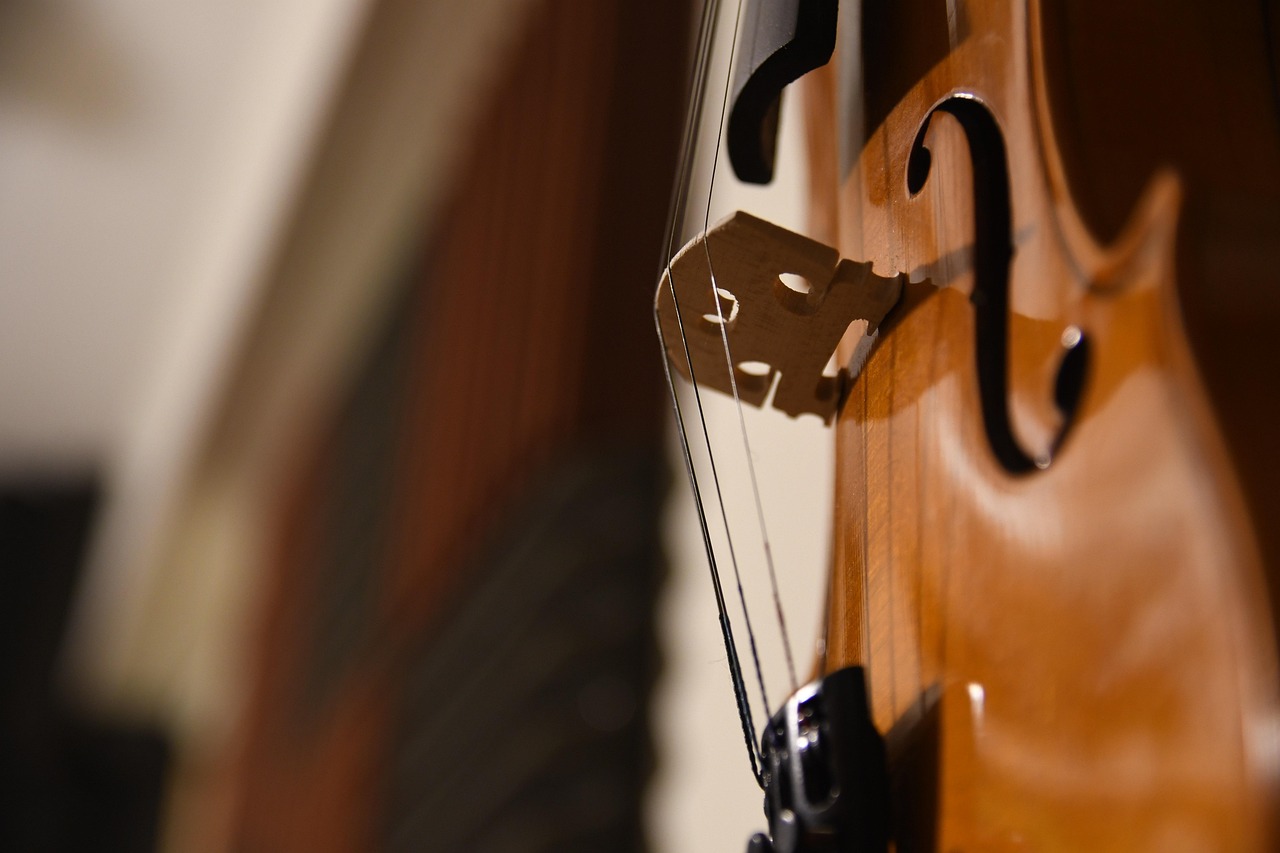
String instruments rely on fingerboard geography that changes subtly across different key signatures. In sharp keys, fingers often need to stretch higher toward the bridge to secure sharp pitches. Violists and violinists must adjust their hand frames to accommodate these altered finger placements without introducing tension into the arm.
Practicing slow scales in sharp keys helps build muscle memory for these tighter or shifted hand positions. Instructors emphasize maintaining a flexible wrist to ensure clean articulation across all four strings. Consistent tactile awareness prevents intonation drift during rapid orchestral passages and maintains overall ensemble cohesion.
Cello and Double Bass Intonation Shifts
Cellists and double bassists face unique ergonomic demands when performing music set in sharp keys. The finger spacing on lower-pitched instruments is wider, requiring precise shifts in thumb position. Because lower strings resonate deeply, slight intonation discrepancies in sharp keys become immediately noticeable within the dense ensemble texture.
Bass players must coordinate their left-hand extensions carefully when navigating keys with multiple sharps. Utilizing half-position and first-position shifts correctly ensures that accidental alterations sound clean. Listening closely to the cello section helps bassists anchor the lower harmonic foundation during complex orchestral movements.
Open Strings and Harmonic Resonance
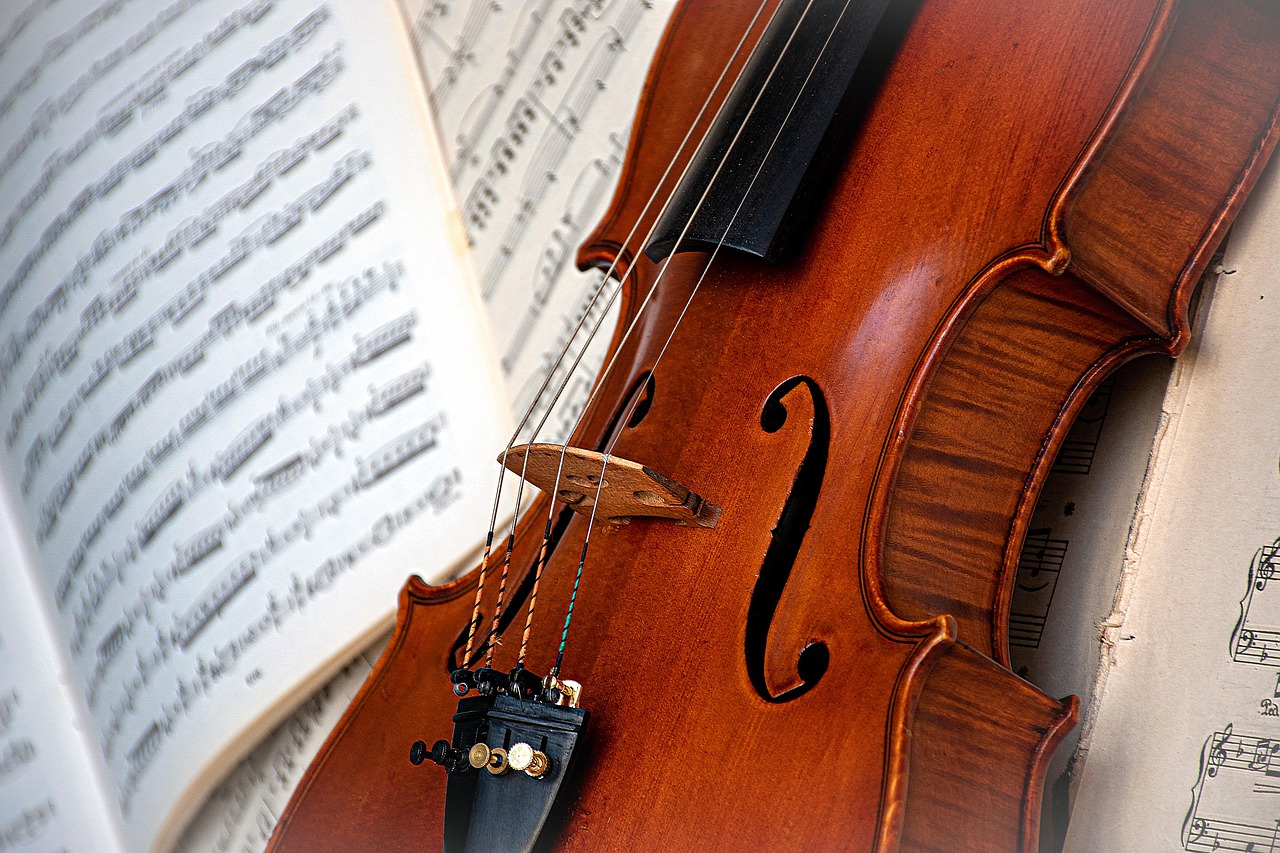
One major advantage of sharp keys for string players is the frequent availability of open strings. Keys like G, D, and A incorporate open G, D, A, and E strings as structural pillars. This allows musicians to produce resonant overtones that enrich the overall orchestral sound profile.
However, performers must guard against over-relying on open strings when tuned intervals require tempered adjustments. Open strings cannot be altered dynamically like stopped notes on the fingerboard. Players must balance open string resonance with expressive intonation adjustments for complex chords and multi-stop passages.
Woodwind Intonation and Fingering Challenges
Flute and Oboe Mechanisms in Sharp Keys
Woodwind instruments feature complex key mechanisms that respond differently depending on the key signature. Flute and oboe players encounter cross-fingerings and intricate roller combinations in sharp keys. These mechanical demands can complicate fast technical passages if players do not maintain nimble finger agility throughout the work.
Instrument acoustics mean certain sharp notes tend to run sharp or flat naturally. Performers must apply air support adjustments and minor embouchure shifts to correct these tendencies. Regular tone-matching exercises help woodwind sections blend seamlessly during dense orchestral tutti sections and solo moments alike.
Clarinet Transposition and Register Breaks
Clarinetists must navigate transposing instruments alongside complex sharp key signatures. A B-flat clarinet reading a score in A major must mentally transpose the part to B major, introducing multiple sharps. This mental translation requires strong familiarity with alternate fingerings to maintain technical fluency.
Crossing the register break becomes trickier when executing rapid scale patterns in sharp keys. Players utilize thumb-vent keys and side keys to bridge registers smoothly without cracking notes. Consistent scale practice across all sharp tonalities ensures reliable execution during rigorous rehearsals.
Bassoon Thumb Keys and Auxiliary Fingering
Bassoonists utilize extensive thumb-key systems on the wing joint and bass joint to manage sharp accidentals. Keys like E major or B major require frequent left thumb utilization for C-sharp, D-sharp, and F-sharp. Mastering these auxiliary keys is essential for executing fluid lyrical lines in orchestral arrangements.
The physical layout of the bassoon makes certain sharp combinations mechanically awkward. Players practice slow, deliberate finger drills to smooth out mechanical transitions between awkward intervals. Careful attention to reed condition also helps stabilize pitch stability in difficult registers throughout long rehearsals.
Wind players often struggle with specific notes, such as the tricky flute high f sharp during fast passages.
Orchestral Score Reading and Rehearsal Strategies
Navigating Transposing Instruments in Sharps
Orchestral score reading involves processing multiple transposing instruments simultaneously in various sharp keys. Horns in E or Trumpets in D present unique transposition challenges for conductors and student score readers. Recognizing how these parts align harmonically is vital for spotting rehearsal errors before they disrupt the ensemble.
Score study requires identifying concert pitch equivalents while reading transposed key signatures. Musicians use interval relationships to verify that transposing parts match the overarching tonal center. This analytical habit improves overall musical comprehension and rehearsal efficiency during sectional work.
Conductor Cues and Sectional Tuning
Conductors must understand the acoustic tendencies of sharp keys when leading orchestral rehearsals. Certain sharp tonalities encourage string brightness, which can overpower woodwinds if not balanced carefully. Cueing specific sections helps manage dynamic blend across complex harmonic passages and active textures.
Tuning routines should reflect the specific key signature of the upcoming piece. Establishing a collective sense of the tonic and leading tone prepares the orchestra for sharp intonation demands. Section leaders often guide these targeted tuning adjustments before running through challenging movements together.
Balancing Polyphonic Textures in Sharp Tonalities
Polyphonic works featuring sharp keys demand careful listening from every orchestral section. Counterpoint relies on independent melodic lines that must remain distinct despite thick harmonic textures. Players adjust their individual volume levels to ensure inner voices project clearly through the ensemble fabric.
Harmonic clarity is especially critical when multiple instruments double a sharp melodic line. Minor discrepancies in tuning become glaringly obvious in high-register polyphonic writing. Ensemble awareness allows musicians to bend pitches slightly for optimal harmonic fusion and acoustic balance.
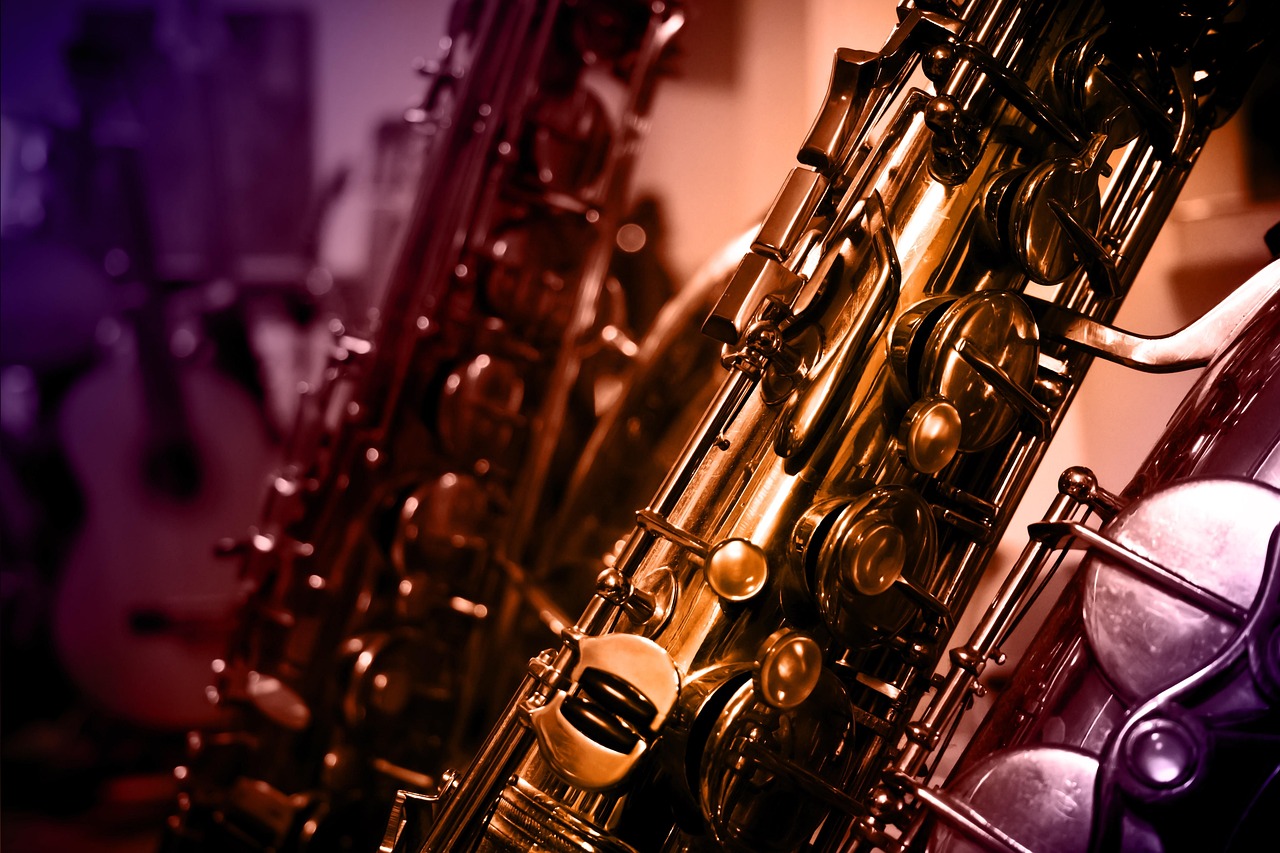
Conductors must prepare their ensemble for changes when transitioning to a music key with 2 sharps in the movement.
Frequently Asked Questions
Why do composers choose sharp keys instead of flat keys?
Composers choose sharp keys primarily to leverage the open-string resonance of orchestral string instruments. Keys like D major and A major allow violins and cellos to ring with natural harmonic overtones. These tonalities create a bright, brilliant acoustic atmosphere that contrasts with warmer flat keys.
Additionally, historical traditions associated specific emotions or tonal characters with particular key signatures. Many classical and romantic orchestral works utilize sharp keys to convey triumph, joy, or pastoral serenity. Instrumental mechanics also historically favored certain sharp configurations for wind and string players alike.
How do orchestral players adjust intonation for sharp keys?
Orchestral musicians adjust intonation in sharp keys by listening closely to interval relationships within chords. Rather than relying solely on fixed instrument tuning, players use expressive intonation to keep major thirds slightly narrow and leading tones high. This responsive approach prevents sharp keys from sounding harsh or strained.
Section leaders play a vital role in modeling correct pitch adjustments during ensemble rehearsals. Players coordinate their intonation by matching the principal player’s tone and pitch center. Constant listening across different instrument families ensures that sharp modulations remain harmonious and balanced throughout the performance.
What is the easiest sharp key for amateur string players?
The easiest sharp key for amateur string players is G major, which contains only one sharp, F-sharp. This key fits naturally under the hand on violins, violas, cellos, and double basses. It provides immediate access to open G and D strings, building confidence for developing musicians.
Following G major, D major with two sharps is considered highly accessible because it utilizes open D and A strings. These beginner-friendly sharp keys allow amateur players to explore fundamental orchestral repertoire without encountering awkward finger extensions or complex shifting requirements in practice.