Combining the flute, violin, viola, and cello creates a distinct chamber music texture that balances the bright, agile qualities of a woodwind with the rich, resonant warmth of a lower string trio. This instrumentation requires careful attention to balance, intonation, and articulation to ensure all voices project clearly without overpowering one another.
Amateur orchestral musicians and dedicated listeners often encounter this unique instrumental combination in mixed chamber works, serenades, and specific orchestral movements. Understanding how these four instruments interact helps players navigate rehearsal challenges and enables listeners to appreciate intricate counterpoint and harmonic structures.
This guide explores practical approaches for balancing flute and strings, reading mixed ensemble scores, structuring rehearsals, and listening critically to orchestral textures. By focusing on the acoustic realities of woodwinds paired with strings, players and audiences can better engage with this rewarding repertoire.

Acoustic Balance and Dynamic Integration
Acoustic Balance Dynamics
The flute is a non-reed woodwind capable of soaring over string textures, yet it can easily be masked by heavy bowing in the violin and viola. Players must adjust their projection dynamically to match the natural resonance of the room.
String players should moderate bow pressure and speed during exposed flute passages, while the flutist must carefully control air support in lower registers where acoustic projection naturally decreases to maintain an even, cohesive texture.
Intonation Adjustments
Flutes and bowed strings manage intonation through distinct physical mechanisms. While string players adjust finger placement on the fingerboard, flutists modify airspeed, embouchure angle, and fingerings to shade pitch across varying registers.
Rehearsing slow chords together allows the ensemble to listen for acoustic beating and adjust pitch centers collaboratively. Regular tuning checks against open string fundamentals help maintain a cohesive harmonic framework throughout rehearsals.
Articulation Matching
Matching articulation between a breath-based instrument and bowed strings requires conscious stylistic coordination. A sharp staccato on the flute differs acoustically from a crisp spiccato stroke executed on the violin, viola, or cello.
Ensemble members should discuss attack velocity and release length to unify phrasing across the group. Aligning consonant beginnings and matching the decay of notes prevents the texture from sounding fractured or disjointed during rapid passages.
For closely related guidance, see violin viola and cello.
Score Reading Mixed Ensembles
Transposition Tracking
Standard concert flutes sound at concert pitch, but piccolo or alto flutes introduce transposition layers that score readers must navigate carefully. Keeping track of transposition intervals prevents confusion when analyzing vertical harmonic structures.
When studying scores containing flute alongside violin, viola, and cello, readers should trace how melodic lines pass seamlessly between the woodwind voice and the upper strings without missing octave shifts or accidental changes.
Texture Layering
Mixed chamber scores frequently assign the primary melody to the flute while the violin, viola, and cello provide a dense harmonic or rhythmic accompaniment. Recognizing these layered roles helps musicians identify focal points quickly.
Listeners benefit from following how secondary countermelodies move through the string trio while the flute sustains a high-register pedal tone. Analyzing these layers enhances overall comprehension of complex orchestral and chamber textures.
Voice Distribution
The flute acts effectively as a principal soprano voice alongside the string trio, often doubling the violin or soaring above it. Understanding voice distribution ensures that inner parts in the viola and cello do not become muddy.
Composers leverage this distribution to create transparent or opaque orchestral colors depending on registration. Score readers should evaluate how spacing between the flute and cello affects the perceived breadth of the harmonic spectrum.
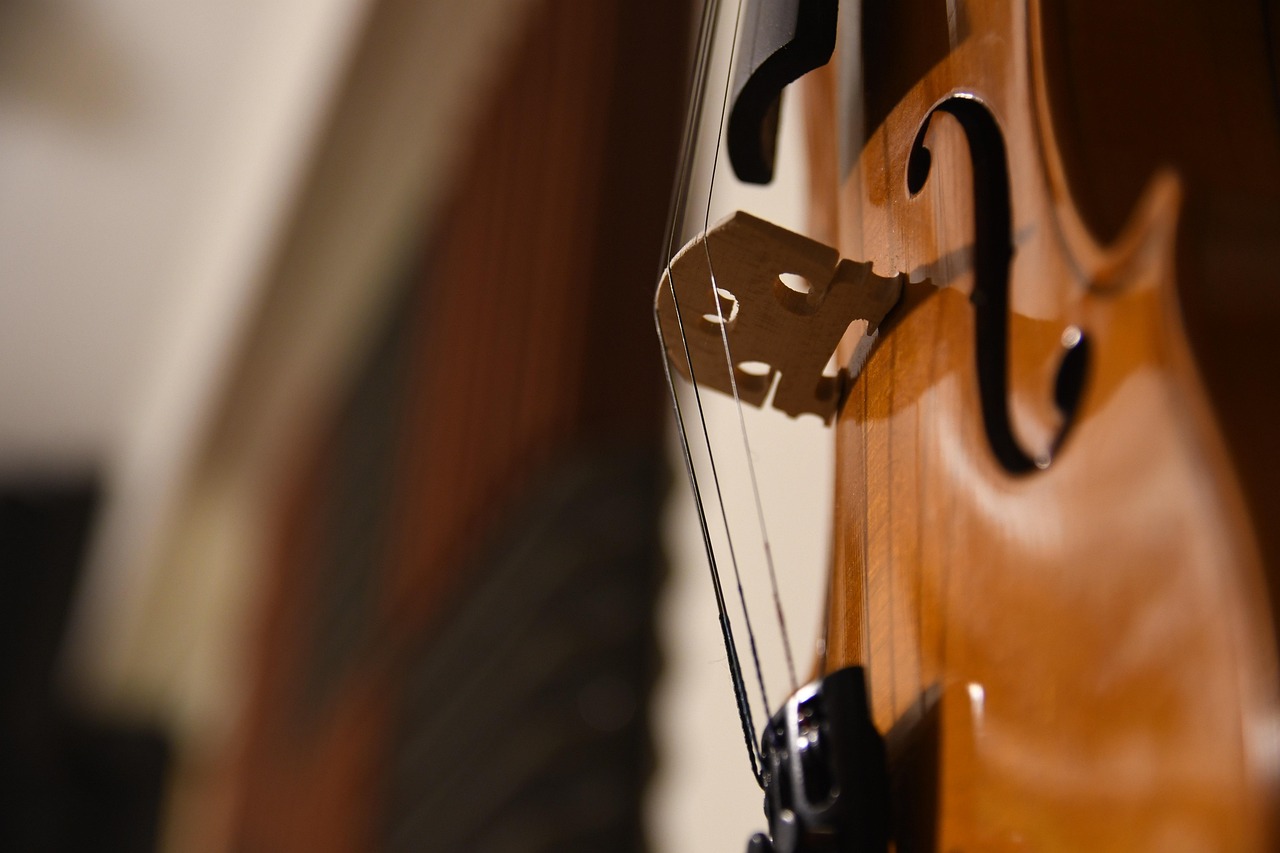
For closely related guidance, see violin viola cello bass quartet.
Rehearsal Strategies for Mixed Quartets
Sectional Focus
Effective rehearsals for mixed ensembles often benefit from isolating instrumental pairings before playing as a full unit. Pairing the flute with the cello for bass-to-treble tuning exercises exposes fundamental intonation relationships clearly.
String players should rehearse passages independently to lock in bowing uniformity before introducing the flute. This preparation minimizes coordination hurdles and allows the ensemble to focus entirely on blend and balance.
Breathing Cues
Because flutists must breathe physically to produce sound, string players should watch for visual breathing cues to maintain synchronized phrasing. Traditional baton or nod cues help, but physical breath preparation remains the most reliable indicator.
Incorporating silent breathing moments into collective rehearsal routines trains string players to anticipate phrase entries naturally. This shared physical awareness improves phrasing cohesion across both breath- and bow-driven instruments.
Dynamic Mapping
Score study before the first rehearsal is essential for mapping out dynamic peaks across the flute, violin, viola, and cello. Marking specific balance targets in individual parts prevents players from guessing their volume levels blindly.
Ensembles should establish a baseline piano level where every instrument remains audible before exploring louder dynamic extremes. Controlled experimentation with crescendo and decrescendo balance ensures smooth transitions during climactic phrases.
For closely related guidance, see string quartet violin viola cello bass.
Orchestral Listening Perspectives
Counterpoint Isolation
In full orchestral settings, the combination of flute, violin, viola, and cello often carries intricate polyphonic lines. Listeners can train their ears to isolate the bright flute timbre weaving through the rich middle voices of the strings.
Following individual melodic strands through a dense orchestral texture deepens listening engagement. Notice how the cello grounds the harmonic foundation while the flute and upper strings trade rapid figurations and imitative motives.
Timbral Contrast
The juxtaposition of a breathy, metallic woodwind against bowed gut or steel strings creates a fascinating acoustic contrast. Composers exploit this timbral difference to highlight specific thematic material or introduce sudden shifts in color.
Listeners should observe how changing bow techniques, such as sul ponticello or col legno, interact with the sustained purity of flute tone. This awareness reveals the vast expressive palette available within standard orchestral combinations.
Harmonic Foundation
While the flute provides sparkling upper extensions, the viola and cello anchor the central harmony and bassline, with the violin bridging the gap. This structural division ensures that high woodwind entries do not destabilize the chordal base.
Audience members analyzing orchestral architecture should listen for how string stability permits the flute to explore expressive ornamentation freely. A solid foundation allows woodwinds to project delicate filigrees safely without losing pitch center.
Frequently Asked Questions
How does flute balance with a string trio?
The flute naturally projects in its upper register, making it easy to overpower a violin, viola, and cello if dynamic markings are ignored. Careful listening and deliberate moderation of air speed and bow pressure achieve a balanced blend.
String players can assist balance by projecting inner voices firmly when they carry harmonic weight. Open communication regarding acoustics in rehearsal spaces ensures the flute remains present without sounding harsh or forced.
What are the main challenges when reading mixed scores?
Mixed scores require readers to track different clefs across the string parts simultaneously while accounting for the flute part at concert pitch. Juggling transposition rules and contrasting clef layouts demands patient, methodical score study.
Musicians should practice vertical scanning to see how woodwind and string voices intersect harmonically at any given beat. Visualizing these intersections prevents the common pitfall of reading instruments in isolated horizontal silos.
How should amateur players approach intonation between flute and strings?
Amateur players should utilize electronic tuners only as a baseline, relying primarily on listening for acoustic interference beats during shared sustained notes. Slowing down complex passages allows the ensemble to adjust finger and embouchure pitch tendencies.
Because woodwind pitch tendencies vary naturally across dynamic levels and octaves, both string players and flutists must make reciprocal compromises during expressive chord progressions. Developing a shared vocabulary for sharp and flat tendencies resolves intonation friction effectively.
How can players align vibrato styles between a flute and string instruments?
Aligning vibrato requires matching both speed and width, as a wide string vibrato can easily swallow a straight-toned or rapidly fluctuating flute sound. The flutist uses breath modulation, while string players regulate finger oscillation on the fingerboard. Ensemble members must listen closely to establish a unified expressive pulse, especially during long sustained notes where stylistic clashes become most apparent.
During rehearsals, players should practice sustained unisons or octaves with zero vibrato first to secure pure intonation foundations. Once the pitch center is locked, musicians can gradually introduce vibrato together, adjusting their wave speed until the textures merge smoothly. This deliberate synchronization prevents the breath-driven timbre of the flute from sounding disconnected against the bowed resonance of the string trio.
What specific role does the viola play in balancing the flute and cello texture?
The viola acts as the vital acoustic bridge connecting the soaring register of the flute and the resonant bass foundation of the cello. Because the middle register easily becomes congested in mixed arrangements, violists must carefully tailor their tone color to support the flute without muddying the overall harmonic spectrum. Their phrasing often dictates whether the combined ensemble sounds transparent or dense.
When analyzing scores featuring flute alongside violin, viola, and cello, readers should observe how inner voice motion fills harmonic gaps. If the flute carries a prominent melody, the viola softens its dynamic profile to give the woodwind room to breathe. Conversely, when the viola shares counterpoint with the flute, it must project with crisp articulation to maintain equal footing against the breath-driven line.
How should conductorless chamber groups coordinate entries across woodwinds and strings?
Conductorless ensembles featuring a flute, violin, viola, and cello rely heavily on visual peripheral awareness and shared physical gestures. Since string players depend on bow preparation while the flutist relies on inhalation, members must establish a unified preparatory motion before every attack. Appointing a primary musical leader for specific movements helps anchor pulse transitions and keeps diverse instrumental beginnings synchronized.
Rehearsals should incorporate physical count-ins or silent breath-preparations so that string players naturally anticipate the exact moment of sound production. Practicing difficult shifts slowly allows the group to align kinetic cues without relying on a baton. Establishing this collective body language ensures that rapid contrapuntal passages begin cleanly across both breath- and bow-based instruments.
What listening strategies help audiences follow countermelodies shared between flute and strings?
Listeners can track complex counterpoint by focusing on timbral shifts as melodic fragments bounce between the flute and the lower strings. The bright, breathy character of the woodwind naturally draws immediate focus, but attentive ears can simultaneously follow how the cello or viola answers with imitative motives in a lower register. Recognizing these conversational exchanges enriches the overall listening experience.
When exploring orchestral movements or mixed chamber pieces, notice how composers pass thematic material downward from the flute through the violin and viola before resting in the cello. By anticipating these downward or upward trajectory paths, audience members can appreciate the structural craftsmanship of the arrangement. This active engagement transforms passive listening into an analytical exploration of instrumental color and dialogue.