Gustav Mahler’s Symphony No. 1 in D major, specifically its third movement, stands as one of the most distinctive and psychologically complex creations in the orchestral repertoire. Marked Feierlich und gemessen, ohne zu schleppen, this movement subverts a traditional funeral march by weaving grotesque irony, childhood nursery themes, and biting popular dance idioms together into a unified canvas.
For amateur orchestral musicians and active listeners, this movement offers a masterclass in contrasting musical textures, demanding acute listening, precise rhythmic articulation, and an understanding of Mahler’s unique aesthetic world. The structure shifts fluidly from somber solo string writing to raucous, bittersweet folk-band interludes, challenging the ensemble to balance stark emotional extremes.
This guide explores the structural mechanics, woodwind execution, string techniques, and score-reading strategies necessary to comprehend and perform this pivotal symphonic movement. By examining how individual instrumental sections contribute to the overarching narrative, musicians can better navigate the technical hurdles and interpretive nuances embedded within Mahler’s masterwork.
Structural Analysis of the Third Movement
The Funeral March Opening and Frère Jacques
The movement begins with a muted double bass solo playing a minor-key variation of the familiar nursery tune Frère Jacques, labeled locally as Bruder Martin. This unsettling transformation immediately establishes a heavy, ironic atmosphere that catches listeners completely off guard.
Gradually, additional instruments enter in a gloomy, creeping canon, building a dense web of contrapuntal polyphony. Orchestral players must carefully manage their entry dynamics to ensure the thematic imitation remains distinct without overwhelming the fragile solo texture established at the outset.
The Klezmer-Inspired Middle Episodes
Without warning, the solemn march dissolves into a contrasting middle section infused with the lively, weeping idioms of Jewish folk music and popular dance bands. This tonal shift introduces bouncy rhythms, soaring woodwind melodies, and a distinctly bittersweet cabaret character that startles the room.
Musicians need to embrace considerable rubato and stylistic flexibility here. The transition requires the ensemble to pivot instantly from grim solemnity to exuberant, mocking celebration while maintaining crisp coordination across disparate instrumental sections.
Return of the March and Final Dissolution
Following the frenetic energy of the dance episodes, the funereal march returns, now combined with elements from the preceding folk melodies in a complex contrapuntal texture. This juxtaposition heightens the sense of emotional disorientation and tragic irony for everyone involved.
The movement ultimately fades away into a whisper of percussion and soft string chords, providing no comfortable resolution for the audience. Performers must sustain intense concentration right through the final decay of sound to preserve the eerie, unresolved tension.
When examining formal design, exploring the Beethoven 9th symphony 3rd movement provides a fascinating comparative perspective on inner movement architecture.
For closely related guidance, see symphony no 7 movement 2.
Woodwind Challenges and Ensemble Balance
Navigating the Oboe and Clarinet Countermelodies
Woodwind players carry immense responsibility throughout the movement, frequently threading intricate countermelodies through the dense orchestral fabric. Oboes and clarinets must project their lines clearly without resorting to forced tones that disrupt the dark acoustic palette.
Rehearsing these passages requires careful attention to articulation markings, ensuring that detached notes sound appropriately dry and mocking. Players should actively listen across sections to match phrasing and intonation under changing dynamic conditions.
Balancing the Flute and Piccolo Interjections
Flutes and piccolos frequently inject shrill, bird-like calls and mocking flourishes above the heavier orchestral textures. These high-register moments can easily sound abrasive if players fail to temper their projection against the surrounding accompaniment layers.
Amateur players must practice these soaring lines with a flexible embouchure to maintain a controlled, expressive tone. Blending these bright colors into the darker orchestral landscape demands sensitive dynamic control from every woodwind participant on stage.
Maintaining Intonation in Extreme Registers
Mahler frequently demands that woodwinds play at the extremes of their dynamic and register capabilities, creating natural acoustic vulnerabilities. Soft, high-register entries by clarinets or low-register growls by bassoons require rigorous tuning vigilance.
Ensemble sections should utilize sectional tuning checks on problematic sustained notes during rehearsals. Recognizing how individual pitch tendencies shift under physical fatigue ensures the overall woodwind choir remains unified during tense transitional phrases.
String Mechanics and Bowing Considerations
Double Bass Solo Execution and Intonation
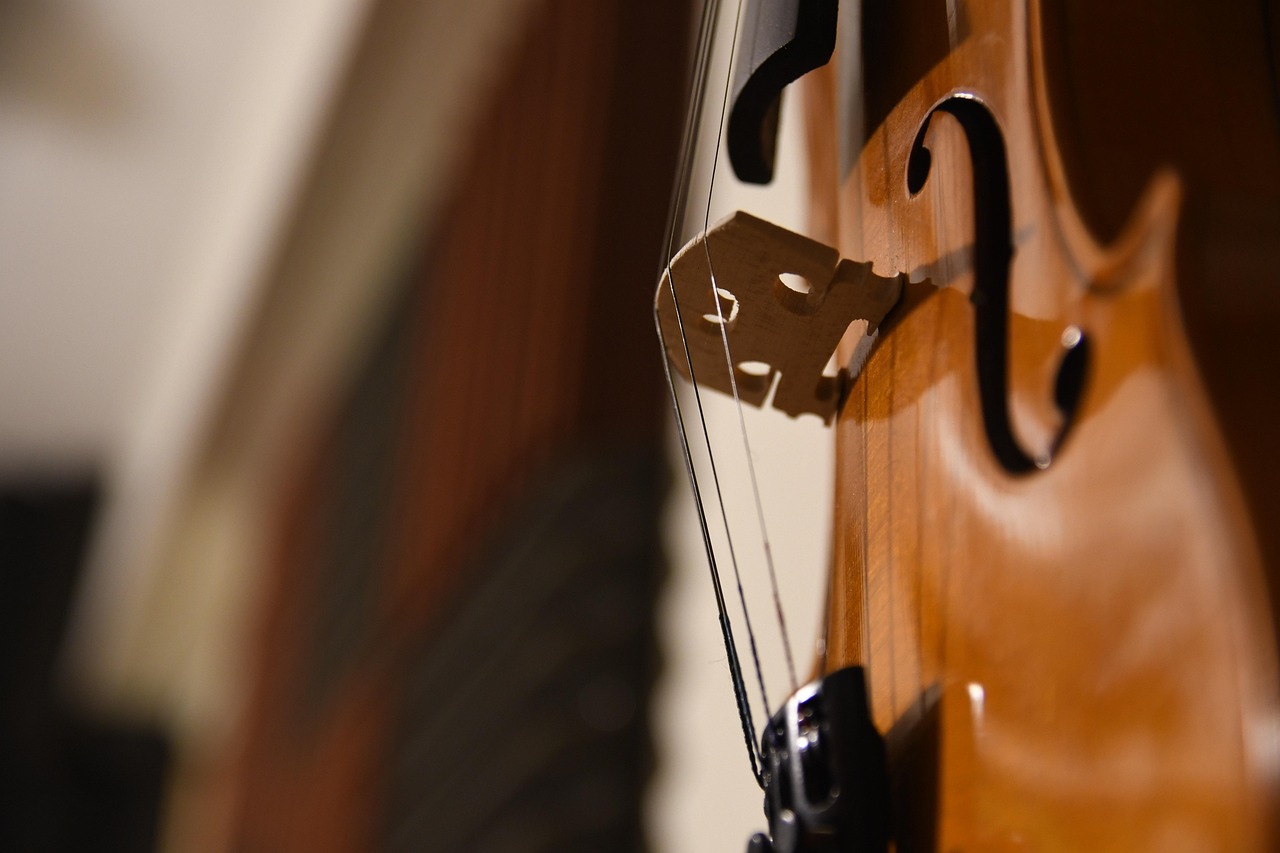
The movement’s iconic opening features an exposed double bass solo that sets the standard for the entire enterprise. Because the instrument plays in a relatively high register for its size, maintaining secure intonation requires absolute precision in finger placement.
Players should practice the solo with a steady, unadorned tone, avoiding excessive vibrato that might compromise the chilling directness of the theme. Bow distribution must be carefully planned to sustain the long, melancholy phrases evenly across the board.
Articulating the Grotesque March Rhythms
String sections across the board must grapple with sharp, biting articulation markings that define the march’s grotesque character. Down-bow accents and crisp spiccato or detaché strokes must be standardized within sections to achieve a unified sound.
Conductors and section leaders should establish clear bowing guidelines early in the rehearsal process. This prevents ragged attacks and ensures that the rhythmic bite remains sharp and synchronized throughout the entire string ensemble.
Navigating Dynamic Shifts in Ensemble Passages
Dynamic contrasts in the string parts happen abruptly, shifting from whispering pianissimo to sudden, crashing outbursts. String players must adjust their contact points and bow speeds instantaneously to accommodate these volatile acoustic shifts.
Developing this responsiveness requires practicing dynamic changes without altering basic intonation or tone quality. Listening across the string choir helps prevent individual desks from lagging behind the unified dynamic curve set by the principal players.
For texture and phrasing comparisons, studying the Brahms 3 symphony 3rd movement reveals contrasting approaches to lyrical string lines.
Score Reading and Rehearsal Strategies
Tracking Polyphonic Layers in the Full Score
For student conductors and score-reading enthusiasts, this movement offers an intricate study in layered counterpoint. The score frequently combines independent rhythmic ideas across disparate instrumental families simultaneously without losing clarity.
Readers should trace horizontal voice leading rather than relying solely on vertical harmonic analysis. Following how Mahler passes motifs from the basses up through the woodwinds illuminates the architectural ingenuity underpinning the apparent chaos.
Managing Tempo Fluctuations and Rubato
The score is replete with nuanced tempo modifications, ranging from expressive accelerandos to sudden holding back. Rehearsing these shifts demands clear communication between the podium and the principal players to avoid hesitation or dragging.
Ensemble members should mark these tempo transitions clearly in their individual parts and watch the conductor’s beat rather than merely listening across the stage. Unified visual tracking is essential when the underlying tempo is fluid.
Conductor Cues and Sectional Coordination
Because textures shift rapidly between sparse chamber-like combinations and full-ensemble explosions, precise cueing is critical. Conductors must clearly delineate primary thematic voices from secondary accompanying layers in the rehearsal room.
Sectional rehearsals focusing on internal balance can prevent the heavier instruments from masking delicate counterpoint. Clear cueing helps musicians identify their functional role at any given moment within the complex texture of the movement.
Frequently Asked Questions
What is the significance of Frère Jacques in this movement?
Mahler utilizes the familiar children’s round Frère Jacques to invoke a sense of childlike innocence distorted by grief and irony. By placing the cheerful melody into a minor key and assigning it to a mournful double bass solo, he creates an unsettling psychological contrast.
This subversion reflects the broader Romantic fascination with the grotesque and the uncanny. It forces listeners to question the sincerity of the mourning process, turning a comforting nursery tune into a stark emblem of existential alienation.
How should orchestral musicians approach the grotesque style?
Approaching the grotesque style requires balancing technical precision with theatrical exaggeration. Musicians must avoid playing the material with a standard, overly polite classical tone, leaning instead into biting accents and flexible phrasing.
Embracing the inherent irony means accepting sharp dynamic contrasts and unpolished timbres where appropriate. Players should view themselves as actors in a musical drama, where character and mood take precedence over pure acoustic beauty.
Why does Mahler combine a funeral march with popular dance tunes?
The juxtaposition of a solemn funeral march with raucous, folk-inspired dance tunes mirrors the contradictory nature of real-life human experience. Mahler famously noted that his music often blended high tragedy with trivial everyday sounds, capturing life’s incongruities.
This stylistic collision disorients the listener, shattering traditional symphonic decorum. For the orchestra, navigating this duality requires embracing sudden emotional whiplash, moving seamlessly from profound melancholy to satirical detachment.
How can score readers effectively track the contrapuntal entries in the opening canon?
Score readers should approach the opening measures by following horizontal voice-leading rather than vertical harmonic blocks. As the grim canon passes from the muted double bass solo up through the lower strings and into the woodwinds, tracking each staggered entry requires visual patience. Readers must look past heavy bar lines to see how Mahler constructs a continuous polyphonic web. Marking each thematic entrance with a colored pencil in study scores helps clarify how individual voices imitate the baseline without burying the fragile texture.
Furthermore, paying close attention to shifting instrumental colors during these overlapping imitations reveals Mahler’s orchestration genius. As the melody climbs into higher registers, the timbre darkens and brightens in cycles. Analyzing these transitions helps student conductors and active listeners anticipate how acoustic weight shifts across the orchestra before the middle episodes disrupt the solemn atmosphere.
What are the main challenges when blending the Klezmer-inspired woodwind lines with the strings?
The primary challenge lies in matching the stylistic flexibility required by folk-like woodwind solos against the persistent rhythmic accompaniment of the surrounding ensemble. Oboes and clarinets must employ subtle rubato and expressive slides without destabilizing the underlying pulse maintained by the orchestra. Woodwind players need to listen across sections carefully, ensuring their ornamented phrasing sounds conversational rather than mechanically rigid, while avoiding excessive volume that might mask delicate string counterpoint.
Rehearsing these contrasting textures demands that conductors isolate the woodwind choir to refine articulation and intonation under dynamic constraints. Because these middle episodes arrive abruptly after the funeral march, players must instantly adjust their tone quality from somber to celebratory. Practicing transitions slowly allows members to unify breath support and phrasing styles before attempting the passage at performance tempo.
How can amateur orchestras manage abrupt dynamic and textural shifts during transitions?
When performing mahler symphony no 1 movement 3, managing volatile dynamic shifts requires string and woodwind players to instantly alter bow speeds, contact points, and air support without sacrificing pitch stability. The score frequently drops the full ensemble from a crashing fortissimo down to an exposed pianissimo within a single measure. Section leaders must establish unified bowing and articulation strategies early to ensure the entire ensemble responds synchronously to these sudden acoustic contractions.
Active listening and vigilant visual tracking of the podium are essential tools for navigating these unstable moments successfully. Performers should avoid relying solely on auditory cues, which can easily lag across a large stage during sudden drops in volume. By watching the conductor’s baton for precise preparation beats, musicians maintain ensemble cohesion and prevent ragged attacks when the music pivots unexpectedly between sparse chamber passages and full orchestral outbursts.