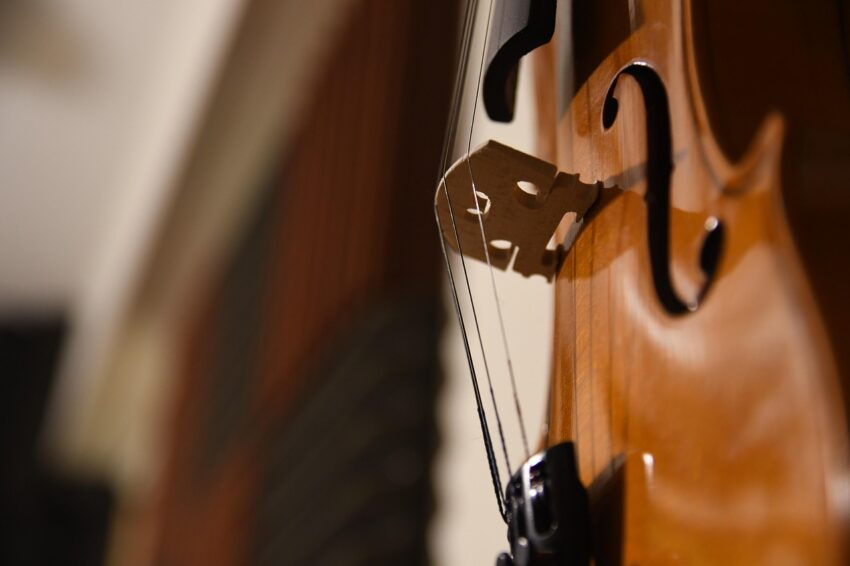
When exploring the landscape of classical music performance and instrument valuation, connoisseurs frequently encounter extraordinary financial figures attached to rare string instruments. While legendary violins often dominate public consciousness, the market for the most expensive viola specimens reveals a fascinating intersection of historical scarcity, acoustic engineering, and elite provenance. For amateur orchestral musicians and dedicated listeners alike, understanding these high-value instruments offers a deeper appreciation of string timber design and historical lutherie.
Examining why specific violas command multi-million-dollar valuations requires looking beyond mere prestige to examine physical dimensions, maker survival rates, and acoustic output. Orchestral players must balance the physical demands of larger instruments with the sonic ideals established by historic Italian workshops. This guide explores the intricate factors governing elite violas, their role within orchestral textures, and the practical realities of historical instrument curation.
Historical Context and Maker Legacy in Elite Violas
The Master Luthiers of Cremona and Brescia
The foundation of elite string instrument valuation rests firmly in the workshops of northern Italy during the sixteenth and seventeenth centuries. Makers in Brescia and Cremona established foundational templates that modern luthiers still study.
Gasparo da Salò and Giovanni Paolo Maggini pioneered early alto proportions that prioritized deep, resonant lower frequencies. These foundational makers shaped the physical standards for instruments that later achieved legendary status among elite performers and collectors worldwide.
Antonio Stradivari and the Missing Viola Corpus
Antonio Stradivari is universally celebrated for his violins and cellos, yet his output of violas was exceptionally small. Because of this extreme rarity, surviving Stradivarius violas command astronomical prices when they occasionally appear on the market.
Only ten complete Stradivarius violas are known to exist today. This scarcity drives valuations into the multi-million-dollar range, transforming these historical artifacts into museum-grade investments rather than standard tools for everyday orchestral performance.
Gasparo da Salò and Early Alto Proportions
Early violas often featured oversized bodies designed to project rich alto frequencies. Gasparo da Salò constructed instruments that measured significantly larger than modern orchestral standards, creating unique ergonomic challenges for players.
Despite the physical strain required to play these oversized instruments, their acoustic depth remains unmatched. Collectors and elite soloists value this historic tonal warmth, driving intense market competition whenever a well-preserved Brescian masterwork becomes available for acquisition.
Historically, master craftsmen built various bowed instruments alongside traditional models, including the 7 string viola da gamba for specialized court repertoires.
Acoustic Physics of Multimillion-Dollar Instruments
Air Volume and Resonance Optimization
The acoustic physics of a viola dictate its market value just as much as historical provenance. An instrument requires an internal air volume capable of amplifying lower frequencies without losing tonal clarity in the upper register.
Master luthiers painstakingly carved plates to optimize resonance frequencies. Achieving this delicate balance between structural rigidity and acoustic flexibility separates ordinary instruments from multi-million-dollar masterpieces crafted by historic Italian masters.
Wood Density, Aging, and Varnish Composition
Centuries of natural aging alter the cellular structure of maple and spruce, reducing internal dampening and enhancing sound transmission. This natural aging process is difficult to reliably replicate with modern laboratory techniques.
Furthermore, historic varnish formulations contribute subtle damping characteristics that shape the instrument’s harmonic profile. The precise resin mixtures used by classical makers continue to inspire scientific analysis and intense debate among contemporary luthiers.
The Compromised Geometry Dilemma
Acoustically, an ideal viola should possess a body length of roughly 48 centimeters to properly resonate lower pitches. However, human physiological limits make playing such large instruments physically impractical for most orchestral musicians.
Historic makers frequently experimented with reduced body lengths while attempting to preserve deep viola resonance. Resolving this proportional compromise represents a masterclass in acoustic engineering, directly influencing why certain smaller antique violas retain exceptional market value. To deepen your understanding of these principles, explore our comprehensive guide on [INTERNAL_LINK: string instrument acoustic engineering fundamentals].
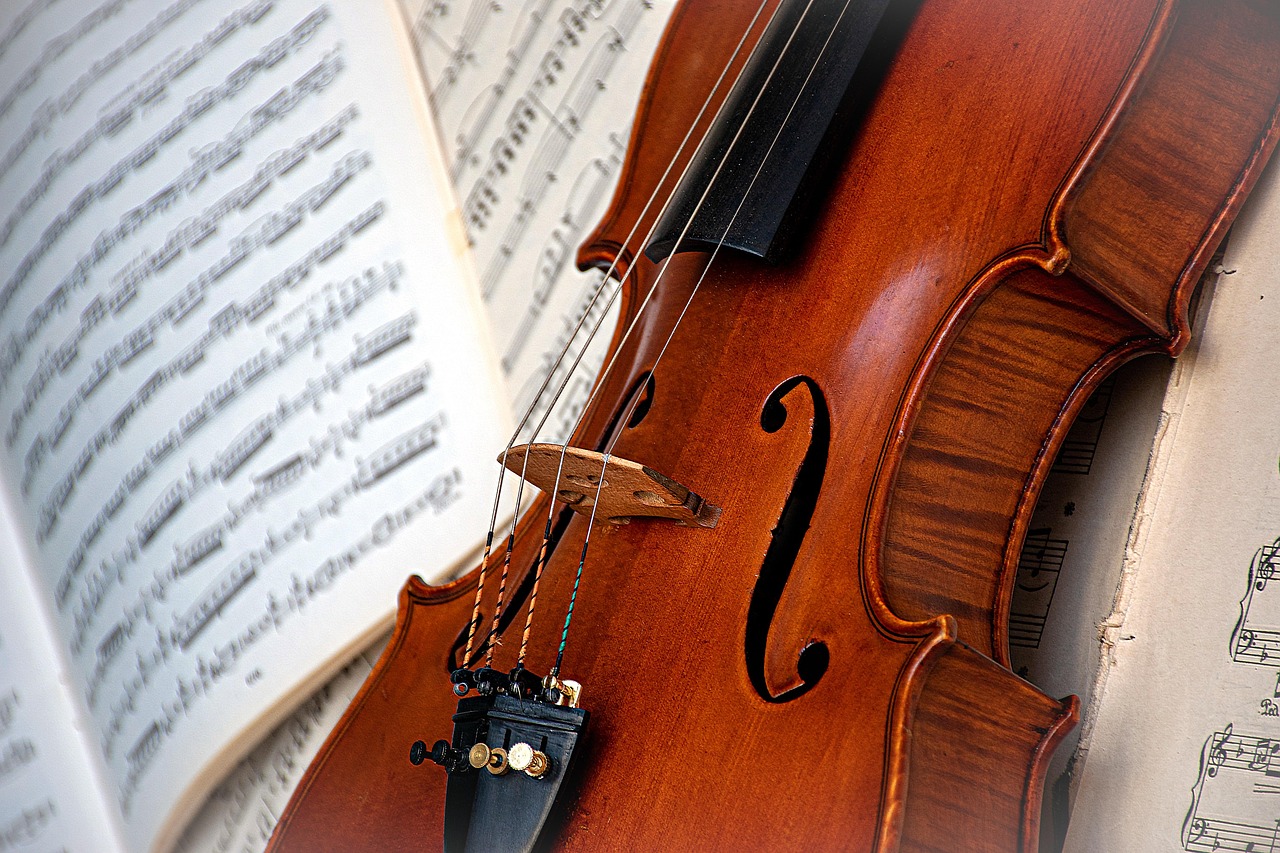
When evaluating the acoustic properties of a rare masterwork, examining the strings on a viola reveals how tension affects resonance.
Provenance, Documentation, and Certification Markets
Dendrochronological Dating and Tree Ring Analysis
Verifying the authenticity of an expensive viola requires rigorous scientific methods, including dendrochronology. Experts analyze the growth rings of the spruce soundboard to match wood samples with historical harvest timelines.
This scientific dating technique confirms whether an instrument’s wooden plates originated during the claimed master luthier’s active lifetime. Such empirical data provides essential protection against sophisticated forgeries within high-end instrument trade markets.
Certification Certificates and Expert Consensus
Market valuation relies heavily on certificates of authenticity issued by recognized international experts and prominent authentication houses. These documents trace the lineage, repair history, and past ownership of elite instruments.
Discrepancies in expert opinion can dramatically impact an instrument’s market value. Consequently, collectors demand unbroken chains of documentation before committing multi-million-dollar sums to any historical stringed masterwork acquisition.
Auction House Dynamics and Private Brokering
High-value violas are rarely sold through open retail channels. Instead, transactions typically occur through elite auction houses or confidential private broker networks connecting wealthy patrons with institutional sellers.
These specialized sales require meticulous discretion and precise market timing. Understanding auction trends helps orchestral historians track how institutional endowments and private philanthropic foundations influence rare instrument valuations over decades.
Preservation, Climate Control, and Insurance Realities
Humidity Monitoring and Structural Integrity
Owning a multi-million-dollar viola demands rigorous environmental controls to prevent catastrophic wood cracking. Relative humidity is commonly maintained between 40 and 60 percent to help preserve delicate glue joints.
Museum-grade display cases and specialized humidified travel cases protect these historic artifacts from sudden atmospheric shifts. Amateur musicians studying these instruments must recognize that preservation often supersedes active, daily musical performance.
Specialized Insurance Policies and Security Protocols
Insuring an instrument valued in the millions requires specialized fine-art underwriting policies. Premiums account for transit risks, accidental damage, and comprehensive security measures during public exhibitions or rare concert performances.
Orchestral institutions handling such loans implement strict custody chains and armed transport services. These logistical protocols ensure that historic cultural heritage remains protected against theft, fire, or catastrophic transit accidents.
Museum Loans Versus Active Professional Performance
A central debate surrounding the most expensive violas involves whether they belong in glass display cases or concert halls. Prolonged silence can occasionally cause wood to become inert, yet active playing introduces physical wear risks.
Many foundations resolve this tension by loaning master instruments exclusively to world-class soloists. This practice ensures the viola continues to produce live music while remaining under expert care and professional supervision. For practical strategies on instrument upkeep, review our manual on [INTERNAL_LINK: orchestral instrument maintenance and climate protocols].
Orchestral Integration and Listening to High-Value Tones
Blending a Soloist Instrument into the Section
Placing an exceptionally resonant, high-value viola inside a standard community orchestra section introduces unique balance challenges. Elite soloist instruments often project with overwhelming volume and complex harmonic overtones.
Players handling master instruments must consciously adjust their bowing pressure and vibrato width to achieve a cohesive sectional blend. Orchestral discipline requires matching intonation and timbre rather than dominating the surrounding texture.
Frequency Masking in Woodwind and String Scores
Listeners analyzing complex orchestral scores must untangle how viola timbres interact with woodwinds such as clarinets and bassoons. The mid-range frequencies of an expensive viola occupy a delicate sonic zone within the ensemble.
Master instruments offer distinct harmonic clarity that prevents frequency masking, allowing inner voices to pierce through thick orchestrations. This acoustic separation enhances the overall transparency of symphonic performances for attentive listeners.
Discriminating Tonal Nuance from the Audience Perspective
Concertgoers often wonder if multi-million-dollar violas sound audibly superior from the audience seating area. While acoustic hall dynamics diffuse subtle details, exceptional projection and warmth remain perceptible to trained ears.
Developing active listening skills enables audience members to distinguish the golden, rich timbre of historic Italian instruments from modern student models. Appreciating these sonic differences enriches the overall experience of live orchestral concert attendance. Read our companion resource on [INTERNAL_LINK: score reading and orchestral listening strategies] for further insights.
When these priceless instruments are played alongside others in a violin viola cello bass quartet, their unique timbre stands out clearly.
Frequently Asked Questions About Expensive Violas
What makes a viola more expensive than a violin?
Viola prices often rival or exceed violins primarily due to extreme historical scarcity. Master makers like Stradivari built very few violas, leaving a tiny surviving corpus. Additionally, building a viola involves complex acoustic compromises regarding body size and resonance, making successful master-built examples exceptionally rare and highly coveted by elite global collectors.
Are multi-million-dollar violas ever played in standard community orchestras?
No, multi-million-dollar violas are virtually never used in community orchestras. Due to staggering insurance costs, extreme fragility risks, and immense market values, these rare instruments are reserved for elite international soloists, major chamber music ensembles, or secure museum collections where environmental controls are strictly maintained.
How do master-built violas differ structurally from modern student models?
Master-built historic violas feature aged alpine spruce and figured maple selected for optimal density and elasticity. They utilize precise graduation thicknesses carved by hand. Conversely, student models are often machine-pressed from uniform woods, utilizing thicker plates that dampen resonance and lack the sophisticated harmonic overtones found in master instruments.
Why are surviving instruments by makers like Stradivari so exceedingly rare for violas?
During the seventeenth and eighteenth centuries, musical composition favored the violin and cello for leading melodic and bass roles. Violas were largely viewed as secondary filling instruments. Consequently, master luthiers received far fewer commissions for violas, resulting in very low historical production numbers.
What role does varnish play in the valuation of an antique string instrument?
Varnish serves both aesthetic and functional purposes in antique string instruments. The specific resin and oil mixtures used by historical Italian makers contribute subtle damping characteristics that influence resonance. Furthermore, the visual preservation and patina of original varnish significantly impact an instrument’s historical authenticity and market valuation.
How do orchestral listeners identify elite string timbres during live performances?
Listeners identify elite string timbres by focusing on tonal warmth, complex harmonic overtones, and effortless projection across large acoustic spaces. Master instruments produce a rich, golden middle register that cuts through symphonic textures without sounding harsh, allowing attentive audience members to perceive exceptional instrumental quality.