Amateur orchestral musicians and dedicated listeners often find deep appreciation in understanding the mechanical and acoustic foundations of symphonic instruments. Exploring how sound is produced across different sections enhances both ensemble performance and active listening during concerts. Among these instruments, the viola occupies a unique sonic space, bridging the register between the higher violin and the lower cello.
At the heart of this instrument’s distinctive voice are the strings on a viola, which dictate its response, projection, and tonal warmth. Examining these components provides valuable insight into string instrument acoustics, score reading, and orchestral balance without requiring specialized conservatory training.

Acoustic Properties and Construction of Viola Strings
Core Materials and Wound Metals
Modern viola strings rely on various core materials that influence their flexibility and tension. Traditional gut cores offer a warm, complex overtone profile but require frequent tuning due to atmospheric sensitivity. Synthetic materials, such as nylon multifilaments, provide stable intonation and quick response while retaining a rich, organic timbre. Steel cores deliver direct projection and immediate stability, making them popular for specific orchestral demands.
Manufacturers wrap these cores with precision-drawn metals like aluminum, silver, or tungsten. Silver and tungsten add mass to the lower strings—particularly the C and G—allowing lower pitches to resonate within a shorter physical scale length compared to the cello.
Tension Profiles Across the C, G, D, and A
The physical tension exerted by the strings on a viola must balance structural safety with optimal acoustic output. Because the viola body is acoustically undersized relative to its tuning frequency, string manufacturers carefully calibrate tension profiles across all four pitches.
The lower C string requires substantial mass to sound clearly at a shorter length, often resulting in higher relative tension or heavier winding. Players must recognize how tension variations affect instrument responsiveness, bow weight distribution, and the overall physical effort required during extended symphonic rehearsals.
Scale Length and Physical Resonance
Viola bodies vary significantly in size, typically ranging from 15 to 16.5 inches. This variance directly impacts the vibrating length of the strings on a viola, altering both string tension and physical reach for the player.
An instrument with a shorter scale length reduces physical strain but may limit deep acoustic projection. Conversely, larger instruments demand greater stretching of the hand and higher bow arm endurance to activate the thicker strings properly, highlighting the compromise between ergonomic comfort and acoustic volume.
Players researching alternative instrument sizes frequently look into smaller 3 4 viola options to accommodate specific physical requirements.
Tuning, Maintenance, and Break-In Periods
Initial String Stretching and Pitch Stability
New strings undergo a natural stretching phase before achieving pitch stability. When installing fresh strings on a viola, musicians experience frequent slipping and gradual flattening as the core material settles under tension.
Amateur players can accelerate this process safely by applying gentle, even longitudinal pressure along the string during installation. Allowing adequate time for the metal windings and core fibers to settle ensures reliable intonation during ensemble warm-ups and prevents unexpected pitch drops mid-rehearsal.
Cleaning Rosin Residue and Body Sweat
Regular maintenance preserves the longevity and tonal clarity of the strings on a viola. Rosin dust accumulates rapidly near the bridge, creating a gritty barrier that dampens high-frequency vibrations and hinders smooth bow contact.
Musicians should gently wipe the string length with a dry, lint-free microfiber cloth after each practice session. Avoiding harsh chemical solvents prevents damage to the delicate metal windings while keeping the playing surface uniform and responsive to bow hair.
Recognizing Wear and Tonal Degradation
Strings degrade gradually through continuous mechanical friction and metal fatigue. Indicators of worn strings on a viola include false fifths, where the string can no longer produce a pure harmonic interval, and a general dullness in tone color.
Uneven thinning or microscopic fraying near the fingerboard also signals the need for replacement. Recognizing these physical cues helps amateur musicians maintain a clear, vibrant sound without struggling against compromised equipment during challenging orchestral passages.
Orchestral Context: The Viola Section in the Ensemble
Balancing Inner Voices Against Violins and Cellos
The viola section frequently carries harmonic inner voices that anchor symphonic textures. Understanding how the strings on a viola interact with the surrounding violin and cello sections helps players balance their volume within complex orchestral counterpoint.
Because the instrument’s register sits naturally in the middle of the sonic spectrum, violists must constantly adjust their dynamic output. They provide essential harmonic glue, ensuring that chord progressions remain cohesive and that melodic lines transition smoothly between high and low registers.
Reading Alto Clef within the Full Score
Mastering the alto clef is essential for both violists and score-reading enthusiasts. This specialized clef places middle C on the middle line of the staff, positioning the notes comfortably for the instrument’s natural register.
Amateur listeners and musicians studying orchestral scores benefit from practicing alto clef fluency to follow inner-voice movement easily. Recognizing how musical ideas pass through the viola section enriches the overall listening experience during symphonic performances.
Intonation Adjustments in Section Playing
Section playing demands high-level intonation coordination among all members. The natural resonance of the strings on a viola requires players to listen actively to their section partners to eliminate beats and achieve a unified section tone.
Furthermore, string players must adjust tuning tendencies relative to wind instruments and fixed-pitch keyboards within the orchestra. Developing flexible intonation habits ensures that inner harmonies remain sweet and resonant throughout dynamic shifts.
Composers frequently write for mixed chamber ensemble repertoire that highlights the unique voice of the viola alongside other instruments.
Rehearsal Dynamics and Ensemble Listening
Blending Timbre with Woodwinds and Horns
A primary function of the viola section is supporting or doubling woodwind and horn melodies. The warm, slightly veiled timbre produced by the strings on a viola blends exceptionally well with clarinets, bassoons, and French horns.
Amateur musicians learn to match the articulation and attack styles of these wind instruments to create unified orchestral colors. Active listening across disparate instrument families helps unify symphonic textures during exposed ensemble passages.
Dynamic Control in Countermelodies
Violas frequently receive secondary thematic material or countermelodies that run parallel to the primary tune. Controlling projection requires precise bow distribution and conscious awareness of how the strings on a viola respond to various contact points.
Players must project enough to be heard through the surrounding orchestration without overpowering the main theme. Developing this nuanced dynamic control elevates amateur ensemble playing toward professional balance and clarity.
Following Conductor Gestures for Articulation
Ensemble cohesion depends heavily on interpreting conductor cues regarding articulation and phrasing. The physical resistance of the strings on a viola requires advance preparation in the bow arm to execute staccato, spiccato, or legato strokes simultaneously.
Amateur musicians practice watching preparatory beats to synchronize their bow attacks, ensuring that rhythmic entries remain crisp and unified across the entire string section.
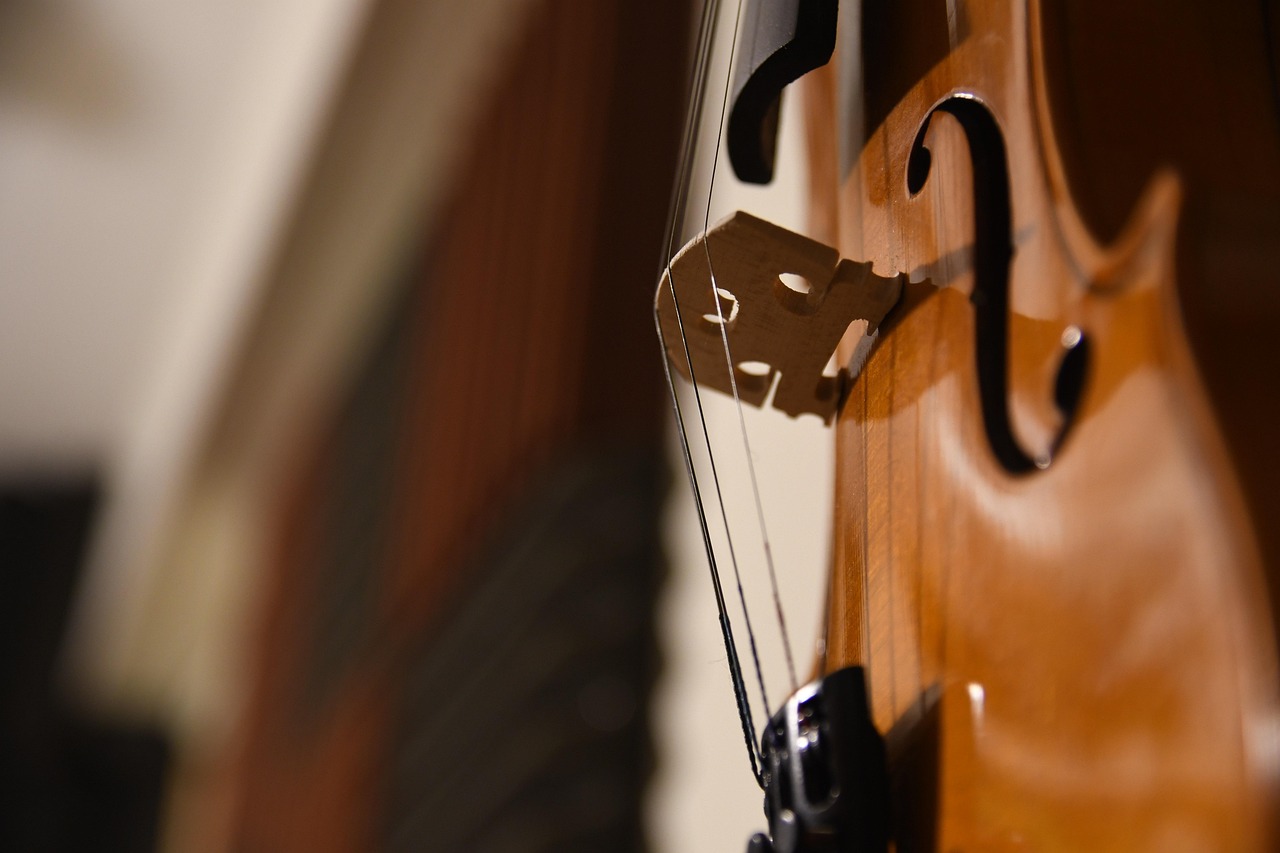
Balancing inner voices is essential when performing within a standard string quartet configuration during intense rehearsal sessions.
Repertoire Study for Amateur Violists
Standard Orchestral Excerpts for Development
Studying standard orchestral literature offers invaluable technical insight. Works by composers like Brahms, Tchaikovsky, and Beethoven highlight the expressive potential and demanding inner-voice writing inherent in the strings on a viola.
Amateur musicians benefit from isolating challenging rhythmic figures and shifting patterns found in symphonic excerpts, building physical confidence and technical fluency away from full ensemble rehearsals.
Chamber Music Integration and Listening Skills
Chamber music settings, such as string quartets and piano quintets, place unique demands on the violist. Without a conductor, players rely entirely on visual cues and acoustic feedback from the strings on a viola to maintain tempo and intonation.
This intimate environment sharpens listening skills, requiring participants to balance dialogue between all four instruments while managing complex harmonic structures.
Practicing with Recordings for Phrasing
Listening critically to professional orchestral recordings aids amateur development by demonstrating ideal phrasing and tone production. Following a full score while tracking the movements of the strings on a viola enhances analytical listening skills.
Musicians learn to identify how different artists use vibrato, bow speed, and shifting techniques to shape musical lines, applying these insights to their own practice routines.
Frequently Asked Questions
Why do viola strings differ in thickness compared to violin strings?
Viola strings are thicker because the instrument has a lower tuning (C-G-D-A) while sharing a relatively compact body size. To produce lower frequencies accurately without requiring an impractically large instrument, the strings require greater mass. This increased thickness demands higher physical effort from the player’s bow arm to initiate clear vibration and maintain a rich, warm tone color across all four registers.
How often should amateur musicians replace their strings?
Replacement frequency depends on playing intensity and string material, but most amateur players change their strings every six to twelve months. Synthetic and gut strings lose elasticity, acoustic brilliance, and intonation accuracy over time due to constant tension and mechanical wear. Regular playing accelerates this degradation, making periodic replacement essential for maintaining a clear and resonant sound.
What causes a viola string to sound false or buzzy?
A false string occurs when the internal core becomes uneven or fatigued, preventing the string from vibrating in a uniform wave. This structural failure causes erratic overtones and unplayable intonation. Buzzing can also stem from loose winding wraps, worn fingerboard grooves, or improper bridge seating, requiring careful inspection by the player or a qualified luthier to diagnose accurately.
How does scale length affect string tension on different violas?
Scale length directly dictates the vibrating length of the string, which alters the physical tension required to reach standard pitch. Longer instrument bodies require higher tension for equivalent pitches, increasing fingerboard resistance. Conversely, shorter instruments reduce physical fatigue but may sacrifice deep acoustic projection. Manufacturers calibrate string gauges carefully to match these diverse physical dimensions.
Can violin strings be used on a smaller viola in an emergency?
Violin strings are designed for a shorter scale length and cannot properly fit a viola. Players must always use strings specifically manufactured for viola scaling and tuning requirements to ensure proper instrument functionality.
What is the best way to clean rosin accumulation off strings?
Rosin dust should be removed using a clean, dry microfiber cloth immediately after playing. Wiping the entire vibrating length removes sticky buildup that dampens high frequencies and creates a rough bow-response surface. Musicians should avoid using liquid cleaners or alcohol near the instrument, as these substances can damage the wooden body, varnish, and delicate metal windings of the strings.