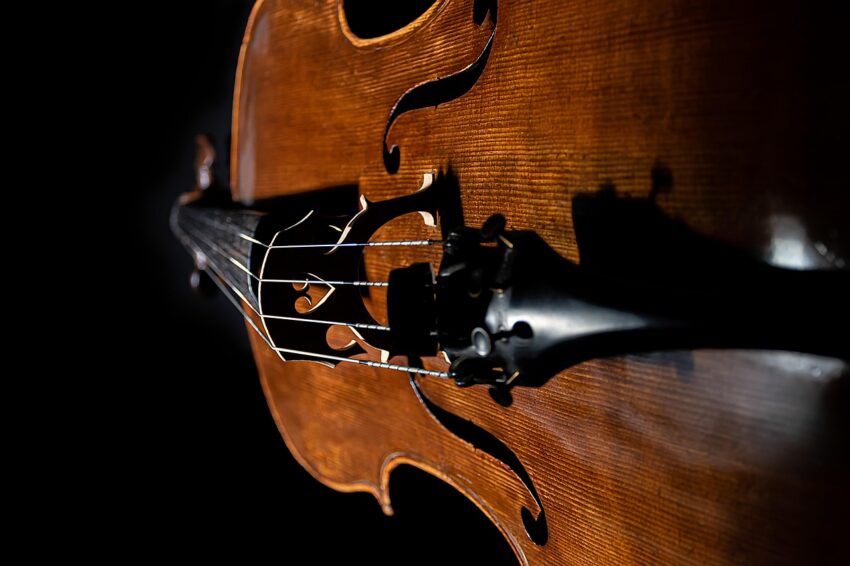
Independent educational guides for amateur orchestral musicians and active listeners provide structured frameworks for understanding complex instrumental textures and ensemble mechanics. When examining chamber works scored for two violins, one viola, and a cello—commonly recognized as a standard string quartet—listeners and players alike encounter the foundational building blocks of larger orchestral arrangements. These resources focus on core technical principles, score literacy, and collaborative rehearsal strategies designed to enhance comprehension without relying on professional conservatory affiliations.
By breaking down how individual string instruments, woodwind additions, and multi-staff scores interact, participants develop a clearer, more analytical appreciation of classical repertoire. Educational publications prioritize conservative, actionable guidance that helps enthusiasts navigate intonation, balance, and structural form during private practice or group study sessions.
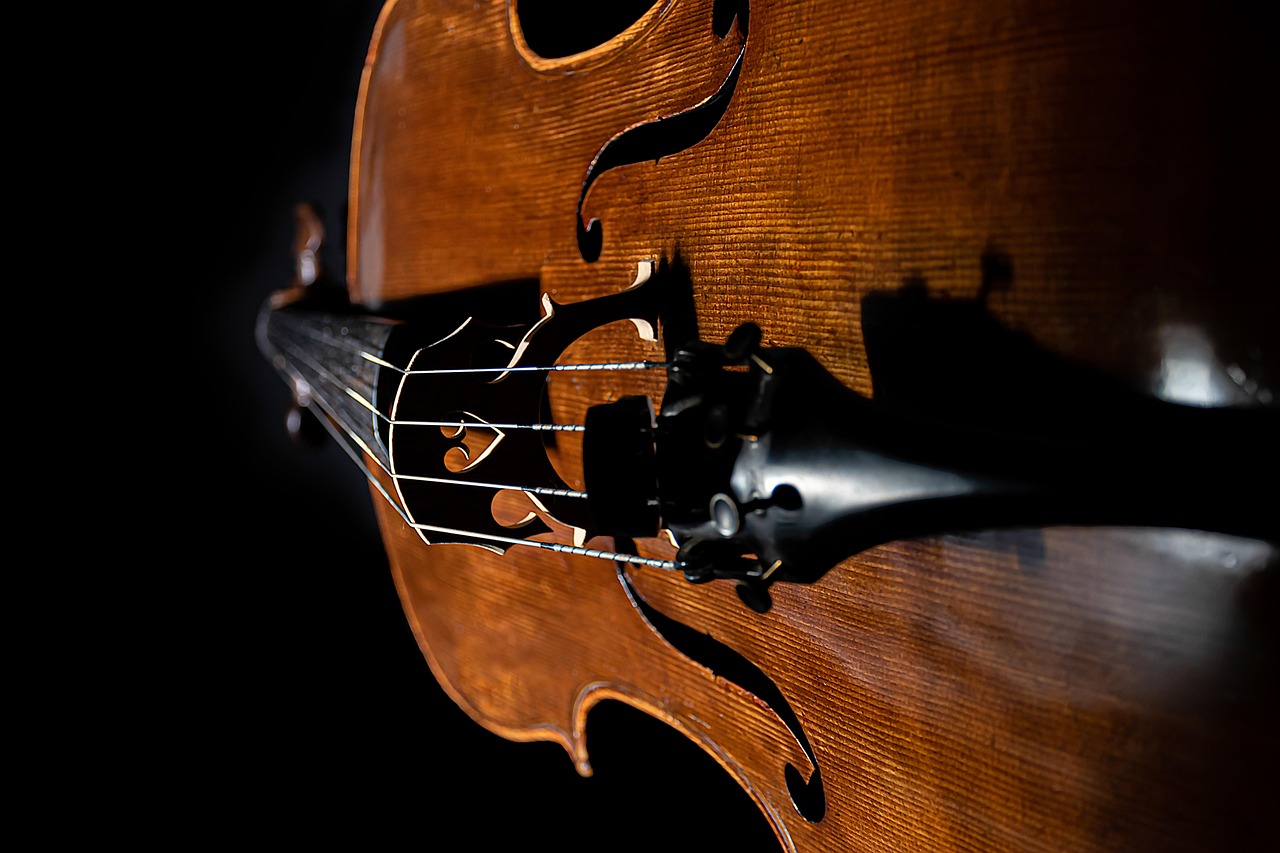
The Foundations of String Quartet Instrumentation
Understanding the Role of the First Violin
The first violin typically carries the primary melodic line in standard chamber and orchestral writing, utilizing its upper register to project cleanly through accompanying textures. Players must balance expressive projection with careful listening to inner voices, ensuring their phrasing complements rather than dominates the ensemble soundscape.
Amateur players studying this voice learn to manage bow speed and vibrato width to maintain clarity during soaring passages. Recognizing how the first violin interacts with other parts is crucial for tracking thematic development across a movement.
The Harmonic Function of the Second Violin
The second violin occupies a middle-to-high register, frequently bridging the gap between the soaring first violin and the warmer, darker timbre of the viola. This instrument often executes rhythmic accompaniments, countermelodies, or supportive harmonic pillars that give structural stability to the ensemble.
Educational guides emphasize that second violin parts require distinct technical adjustments, such as shifting dynamic focus to let lead voices shine while keeping internal rhythms exceptionally steady and precise.
The Distinct Voice of the Viola
Tuned a fifth lower than the violin, the viola possesses a rich, woody timbre that anchors the mid-range of the ensemble. Educational materials highlight how violists navigate alto clef and manage lower string tensions to project beneath higher-pitched instruments without forcing their tone.
Because the viola frequently fills crucial harmonic slots between the outer voices, players must maintain consistent tonal weight to bind the upper and lower registers of the quartet cohesively.
The Cello as Bass Foundation and Tenor Voice
The cello provides the foundational bass line that dictates harmonic root movement for the entire string ensemble. Its acoustic presence establishes the gravitational center for chords executed by the upper strings during complex contrapuntal passages.
Beyond bass duties, its expansive range allows the cello to soar into expressive tenor melodies that match the warmth of the viola. This dual capacity makes the cello an exceptionally versatile voice within both chamber and orchestral settings.
When exploring classical chamber music traditions, understanding the core string quartet violin viola cello configuration provides essential insights.
Integrating Woodwinds into Orchestral Textures
The Role of Flutes and Oboes in Ensemble Color
Woodwind instruments introduce contrasting timbres that complement the homogenous sound of strings. Flutes offer bright, airy tones that hover effortlessly above string textures, while oboes provide a penetrating, highly focused voice.
Historically, the oboe served as the tuning reference for the entire orchestra due to its rich harmonic overtone profile. Amateur listeners learn to identify these distinct tonal colors during symphonic score study.
Clarinets and Bassoons as Harmonic Glue
Clarinets possess a wide dynamic range and fluid register shifts, making them exceptionally versatile melodic and accompanying partners. They blend smoothly with both brass and string families across various registers.
Bassoons fulfill a dual role akin to the cello, anchoring lower woodwind chords and offering quirky tenor solos. Understanding their mechanical design helps listeners appreciate their structural contributions in symphonic works.
Balancing String and Woodwind Dynamics
Blending strings and woodwinds requires careful listening, as sustained wind tones project differently than bowed string articulations. Amateurs learn to adjust bow pressure and breath support to achieve a unified sonic profile.
Conductors and section leaders must manage these acoustic differences carefully, particularly when woodwinds double string melodies in complex tutti passages.
Practical Score Study for Woodwind Sections
Independent score guides encourage musicians to trace woodwind cue lines alongside primary string themes during study sessions. Identifying counter-melodies in oboe or clarinet parts deepens comprehension of symphonic architecture.
Regular practice with condensed wind scores builds essential analytical skills for active concertgoers and developing instrumentalists alike.
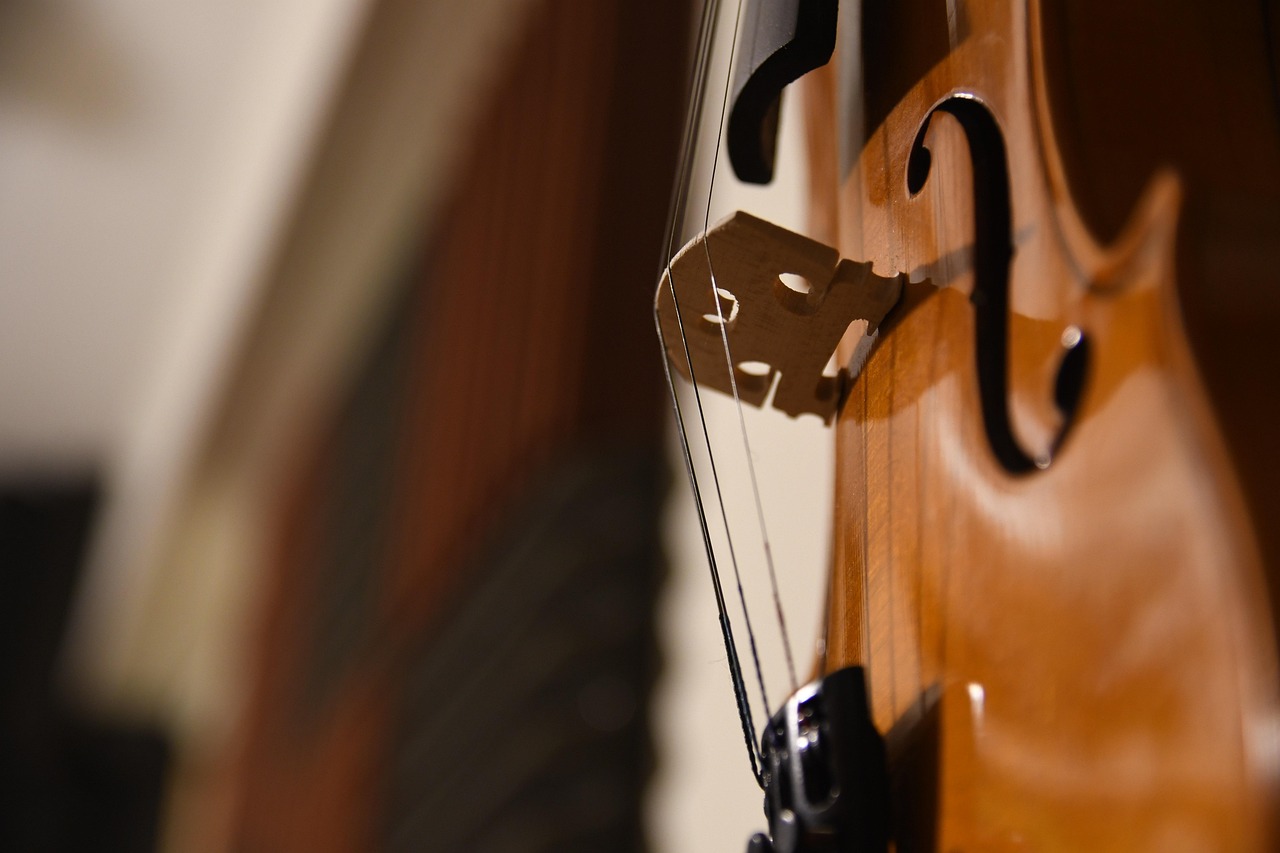
Composers frequently expand traditional string setups by featuring a distinctive flute violin viola cello combination in chamber works.
Score Reading Essentials for Amateur Musicians
Navigating Transposing Instruments on the Page
Score reading requires understanding transposition rules for horns, clarinets, and other instruments sounding differently than their written pitches. Educational materials provide simple interval charts to help listeners mentally transpose common orchestral parts.
Mastering these basic transposition concepts prevents confusion when following live performances or studying printed full scores at home.
Mastering Alto and Tenor Clefs
Beyond treble and bass clefs, string players and score readers must recognize notes in alto and tenor clefs. Regular practice with viola and cello literature builds fluent reading skills across all historical configurations.
Developing clef fluency allows musicians to understand inner voice leading without mental translation bottlenecks during active listening.
Following Horizontal and Vertical Musical Structures
Reading a full score involves tracking both horizontal melodic lines and vertical harmonic intersections simultaneously. Beginners start by following condensed piano reductions before progressing to multi-staff orchestral scores.
This progressive approach builds cognitive stamina for processing complex polyphonic textures found in standard classical masterworks.
Identifying Structural Landmarks in Scores
Recognizing structural markers like theme entrances, modulations, and cadence points helps readers anticipate dynamic shifts. Annotating scores with colored markers aids in tracing recurring motifs throughout lengthy symphonic movements.
These practical habits transform passive listening into an active, intellectually rewarding engagement with classical literature.
Rehearsal Methodologies and Preparation Techniques
Effective Individual Practice Strategies
Productive rehearsals begin with structured individual practice focused on difficult technical passages rather than full runs. Slow practice with a metronome exposes rhythmic inaccuracies and ensures clean articulation.
Preparing specific measures independently saves valuable group time and reduces frustration during collaborative ensemble sessions.
Sectional Rehearsal Focus Areas
Sectional rehearsals allow instrumentalists sharing similar parts to synchronize bowing, intonation, and phrasing without external distractions. String players check fingerings collaboratively to ensure uniform tone production.
Addressing technical hurdles in smaller groups promotes confidence and tighter cohesion across the entire ensemble.
Communication and Listening in Ensemble Settings
Amateur musicians must develop acute peripheral listening skills to match pitch and articulation with colleagues. Non-verbal cues, such as breathing together or subtle bow movements, maintain rhythmic cohesion.
Effective internal communication fosters a responsive, unified approach to tempo fluctuations and expressive rubato passages.
Managing Rehearsal Time Efficiently
Establishing clear goals for each rehearsal segment prevents fatigue and keeps the ensemble focused on challenging measures. Taking brief breaks maintains concentration and protects hearing during intense sessions.
Disciplined time management ensures steady artistic progress while preserving the enjoyment of collaborative music-making.

Coordinating ensemble parts efficiently often requires reviewing a standard violin viola cello bass quartet arrangement during early rehearsals.
Active Orchestral Listening and Repertoire Analysis
Developing Focused Listening Habits
Active listening involves isolating specific instrument families while following a recorded performance or live concert. Listeners track how motifs pass between the two violins, viola, and cello within standard repertoire.
This targeted attention reveals subtle nuances in phrasing and dynamic contour that casual listening often overlooks.
Analyzing Form and Harmonic Progression
Recognizing standard forms like sonata-allegro or theme and variations provides a cognitive roadmap during listening sessions. Observing how composers modulate heightens emotional engagement with the unfolding narrative.
Connecting theoretical concepts to audible events strengthens long-term musical memory and analytical comprehension.
Comparing Interpretations Across Recordings
Listening to multiple historical recordings reveals how different ensembles approach tempo, vibrato, and dynamic balance. Comparative listening encourages critical thinking rather than passive consumption.
Evaluating stylistic variations expands the listener’s appreciation for interpretive diversity within classical performance traditions.
Connecting Chamber Music to Symphonic Contexts
Chamber works serve as transparent laboratories for understanding complex orchestral textures heard in larger symphonic pieces. Analyzing intimate string textures illuminates how orchestration functions in massive scores.
Recognizing these relationships bridges the gap between small-scale ensemble playing and grand symphonic appreciation.
Frequently Asked Questions
Why is the combination of two violins, one viola, and a cello considered the ideal string ensemble?
This specific configuration, known as the string quartet, provides a complete harmonic and melodic spectrum without doubling instruments. The two violins handle high and mid-range melodies, the viola supplies a distinct inner voice, and the cello anchors the bass. This balanced distribution mirrors the vocal layout, making it an exceptionally transparent and versatile medium for both composers and listeners exploring classical music.
How can amateur musicians improve their intonation during chamber rehearsals?
Improving intonation requires attentive listening and a willingness to adjust pitch relative to harmonic roots rather than fixed frets or keys. Players should practice slowly with drones or tuner apps to identify personal tendencies. In ensemble settings, listening closely to the cello bass line and adjusting intervals such as thirds and fifths dynamically ensures clean, resonant chords that lock into place naturally.
What are the primary challenges of reading alto clef for new violists?
The primary challenge of reading alto clef is shifting cognitive habits away from familiar treble or bass frameworks. In alto clef, middle C is positioned on the middle line of the staff. Overcoming this hurdle involves systematic scale practice, sight-reading simple folk melodies in alto clef, and associating fingerboard positions directly with the staff rather than mentally translating from other clefs first.
How do woodwind instruments blend with a traditional string quartet texture?
Woodwinds introduce contrasting tonal colors that enrich the homogenous sound of string instruments. Because flutes, oboes, and clarinets possess unique acoustic envelopes, arrangers use them to double melodies or add harmonic padding. Players must balance their dynamics carefully, as sustained wind tones can easily overpower delicate string articulations if breath support and bow pressure are not actively coordinated.
What foundational steps should beginners take when learning to read full orchestral scores?
Beginners should start by studying condensed piano reductions of orchestral works while simultaneously listening to recordings. Once comfortable, they can progress to two-part and four-part chamber scores, gradually incorporating transposing instruments and unfamiliar clefs. Utilizing colored pencils to trace specific thematic lines across multiple staves helps prevent visual overwhelm and builds systematic score-tracking habits over time.
Why is individual preparation essential before attending group orchestral rehearsals?
Individual preparation ensures that technical difficulties are resolved before the ensemble gathers, allowing group time to focus purely on blend, intonation, and musical interpretation. When every musician arrives familiar with their part tricky rhythms and fingerings, rehearsals proceed efficiently, reducing fatigue and fostering a collaborative, stress-free environment for everyone involved.