The 4 4 time signature, frequently designated as common time, stands as the most prevalent rhythmic framework in Western art music and orchestral literature. It establishes a steady, symmetrical metric structure consisting of four beats per measure, with each beat maintaining the duration of a quarter note.
For amateur orchestral musicians and active listeners, mastering this meter provides an essential anchor for score reading, ensemble coordination, and expressive interpretation across diverse string and woodwind repertoires.
By understanding how pulses, downbeats, and subdivisions operate within this foundational framework, performers can achieve greater rhythmic precision and cohesiveness during demanding rehearsals and public performances.
Foundations of Common Time
Defining the Four-Four Meter
The four-four metric structure organizes musical time into groups of four distinct pulses. Each individual beat equals a quarter note value, creating a balanced and predictable foundational framework for performers.
This symmetry allows composers to build complex melodic and harmonic phrases that naturally resolve over symmetrical bar lines, aiding both instrumentalists and listeners in following the musical narrative.
Interpreting the Metric Symbol
The upper numeral four denotes the exact count of beats contained within every single measure. The lower numeral four indicates that the quarter note serves as the primary unit of measurement.
Musicians often encounter a semicircle resembling the letter C instead of numerical digits on their scores. This traditional sign is generally understood to indicate the same metric structure as the numerical designation, though its precise historical derivation from mensural notation remains a matter of scholarly discussion.
Historical Origins in Notation
Medieval mensural notation utilized circles and incomplete arcs to signify metric divisions. Perfect time signatures featured complete circles, while imperfect metrics relied on broken semicircles.
The modern symbol is commonly traced to these medieval notational conventions, though the exact line of transmission is debated among music historians. Orchestral players engage with this historical continuum whenever they interpret standard repertoire spanning the Baroque era through contemporary modernism.
For closely related guidance, see 4 4 time signature example.
Practical Orchestral Execution
Conducting Patterns on the Podium
Conductors employ a standard downward, inward, outward, and upward gesture sequence to delineate the four distinct beats. The initial downbeat anchors the start of every measure clearly.
Orchestral players rely heavily on the visual rebound of the second and third beats to maintain precise synchronization, especially during dynamic shifts and sudden alterations in musical texture.
Bowing Strategies for String Sections
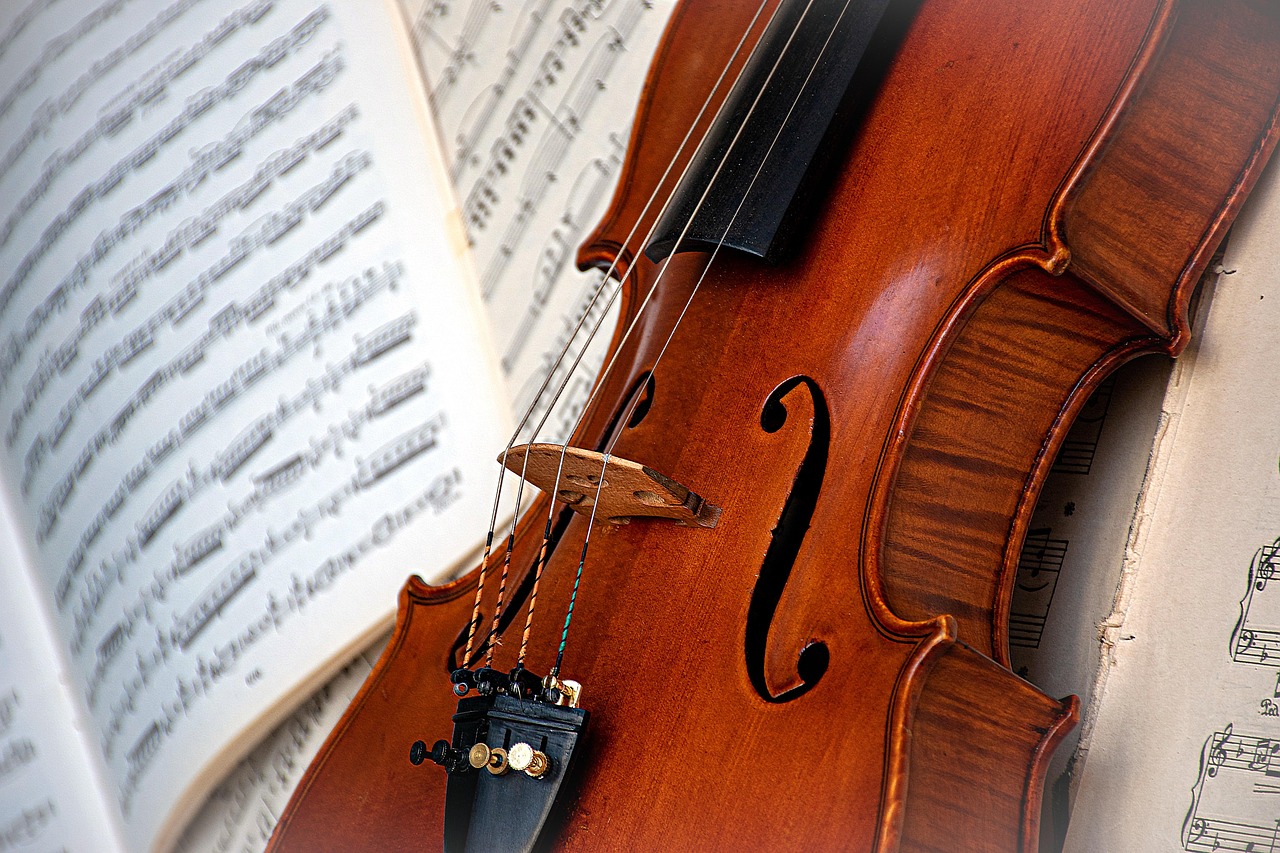
String players distribute bow lengths carefully across the four beats to maintain smooth phrase contours. Down-bow strokes are conventionally used on primary downbeats in many contexts, supporting a natural sense of metric weight.
Up-bow movements support weaker metric pulses, preventing unwanted accents on unaccented beats. Careful coordination within violin and cello sections ensures unified articulation throughout extended passages.
Breath Control in Woodwind Passages
Flute, oboe, and clarinet performers utilize the four-beat measure to plan safe inhalation points. Aligning breaths with phrase structure — which often, but not always, coincides with bar lines — helps preserve the momentum of long melodic lines.
Ensemble players must communicate covertly during rests to stagger breaths, avoiding gaps in harmony and maintaining steady tone production across woodwind and brass sections alike.
For closely related guidance, see 6 8 music time signature.
Score Reading and Structural Analysis
Navigating Bar Lines and Measures
Bar lines visually segment the continuous flow of sound into manageable four-beat units. These markers help musicians orient themselves quickly during complex orchestral score reading.
Composers often place primary harmonic changes on beats one and three, though harmonic rhythm varies widely across styles and periods.
Recognizing Syncopation and Accents
Syncopation introduces deliberate rhythmic surprise by placing accents on normally weak beats or off-beat subdivisions. Performers must maintain internal counts despite surface-level disruptions.
Ensemble stability requires players to anchor their awareness to the steady underlying pulse, ensuring that syncopated figures sound exciting without destabilizing the overarching tempo.
Managing Tempo Changes and Transitions
Transitions between differing tempos require strict adherence to fractional subdivisions. Musicians mentally sub-divide quarter notes into eighths or sixteenths to navigate accelerandos and ritardandos smoothly.
Section leaders provide crucial visual cues during tempo modifications, helping dispersed instrumentalists arrive at the new speed together without sacrificing clarity or intonation.
For closely related guidance, see 6 8 time signature examples.
Rehearsal Dynamics and Ensemble Coordination
Internalizing the Steady Pulse
Reliable orchestral performance depends entirely on an internalized sense of steady time. Players cultivate this skill through careful rehearsal practices and continuous listening.
Avoiding premature rushing or dragging during quiet passages is essential. Maintaining absolute rhythmic discipline safeguards the integrity of the composer’s structural design.
Listening Across Sectional Divides
Musicians must listen beyond their immediate section to balance sound and timing across the entire orchestra. Woodwinds blend with strings by matching articulation lengths.
In large halls, acoustic delays can make auditory feedback from distant sections unreliable, making the conductor’s baton an important visual reference for ensemble coordination.
Correcting Common Timing Lags
Rhythmic inaccuracies frequently occur during complex sixteenth-note passages or sudden dynamic crescendos. Identifying the precise source of timing drift prevents ensemble unraveling.
Rehearsal leaders address these moments by isolating problematic measures, reducing tempo temporarily, and rebuilding rhythmic security through controlled, slow repetition.
Frequently Asked Questions
Why is four-four often called common time?
The label common time reflects the historical prevalence of duple and quadruple meters in common practice. Its widespread adoption across classical and popular genres cemented this designation.
Musicians continue using the term because it communicates the exact metric structure instantly, streamlining communication between conductors, instrumentalists, and arrangers during busy rehearsal sessions.
How do syncopated rhythms affect the underlying beat?
Syncopation creates tension by emphasizing unexpected subdivisions instead of standard downbeats. This technique adds rhythmic vitality while temporarily masking the rigid framework of the measure.
Performers resolve this tension by maintaining a mental sub-pulse, ensuring that the overarching four-beat structure remains steady even when melodic accents fall in unusual places.
Can four-four feel like two-four at fast tempos?
At rapid tempos, human perception tends to group four beats into two larger metric units. This perceptual shift collapses the measure into a heavy-light binary pulsation.
Composers utilize this phenomenon to generate driving momentum without changing the underlying time signature, challenging performers to adjust their bowing and articulation accordingly.
How do woodwind and string sections coordinate articulation differences within a 4/4 measure?
Woodwind and string players approach articulation differently due to the mechanical nature of their instruments. String players use bow speed and weight changes to articulate notes, whereas woodwinds rely on tongue strokes and air support. In a standard four-beat measure, both sections must unify their attack points on the downbeat to prevent muddy textures. Listeners should hear a crisp, simultaneous initiation of sound, especially on beats one and three.
During rehearsals, section leaders often demonstrate these articulation nuances explicitly. Woodwind players match the short, percussive character of a string spiccato through articulation style and air support, ensuring that sixteenth-note runs and staccato quarters blend seamlessly across the orchestra without sacrificing individual section timbre.
What role do quarter-note rests play in maintaining momentum within a 4/4 framework?
Quarter-note rests are not merely periods of silence; they actively shape the rhythmic architecture of a 4/4 measure. When an orchestra plays through a rest, internal timing must remain completely stable to prevent the tempo from dragging. Woodwind players use rests to breathe collectively, while string players prepare upcoming bow changes. Maintaining the pulse during these silent beats ensures seamless continuity when the sound resumes.
Conductors frequently emphasize silent beats with subtle physical gestures or steady eye contact. Instrumentalists must count these beats internally, visualizing the missing quarter notes as clearly as if they were sounding pitches. This mental discipline prevents rushing and preserves the metric symmetry mandated by the score.
How can active orchestral listeners track the 4/4 meter during complex symphonic passages?
Listeners can track four-four time by anchoring their attention to the structural weight placed on beats one and three. Composers frequently align major harmonic shifts with these strong metric pulses, though practice varies considerably across styles and periods. By listening for recurring downbeats, audience members can map out the architecture of a movement, even when complex melodic figures or syncopated woodwind counterlines obscure the surface rhythm.
Watching the conductor’s physical baton plane offers additional visual confirmation of the underlying meter. The standard down-in-out-up pattern mirrors the symmetrical nature of the four-beat bar. Combining this visual tracking with attentive listening deepens an amateur musician’s comprehension of orchestral coordination and structural design.
Why does vertical score reading simplify ensemble navigation in four-four time?
Vertical score reading allows conductors and advanced students to see how different instruments divide the four-four measure simultaneously. Because every measure contains an identical duration of four quarter notes, stacked staves create a reliable grid. Musicians can instantly spot where woodwind flourishes cross paths with string accompaniment, making it easier to analyze chord progressions and thematic entrances during study sessions.
This spatial alignment prevents misinterpretations of complex textures. When a score accurately aligns vertical beats, instrumentalists can trace how a melody travels across sections. This clarity directly translates to better ensemble listening and quicker problem-solving when sectional timing drifts during rehearsals.
How do dotted rhythms interact with the standard four-beat framework?
Dotted rhythms introduce asymmetric subdivisions that challenge the strict symmetry of four-four time. By lengthening the primary note and shortening the subsequent resolution, composers create forward propulsion. Performers must execute these figures accurately without distorting the underlying quarter-note pulse. If musicians rush the shorter note, the entire measure destabilizes, causing timing discrepancies between woodwind and string sections.
Rehearsing these passages often requires slowing the tempo down and mentally subdividing the quarter notes into eighths or sixteenths. This rigorous preparation guarantees that dotted figures retain their rhythmic bite while remaining securely anchored to the conductor’s primary beat framework.
What is the most effective way to practice sixteenth-note subdivisions within four-four measures?
Practicing sixteenth-note passages in four-four time requires strict metronomic discipline and mental subdivision. Since each quarter note breaks down into four smaller pulses, players must consciously register all sixteen potential points of attack within a single measure. Isolating tricky transitions helps instrumentalists eliminate unevenness, ensuring that rapid woodwind runs or flying string passages maintain absolute rhythmic clarity.
Choral or vocalized counting can also accelerate this mastery. Articulating syllables like one-e-and-a out loud forces performers to connect their breath and physical movements directly to the micro-pulses of the meter. This internal security translates directly to confident performance during high-speed orchestral movements.