Three four music time, a standard form of simple triple meter, represents a foundational rhythmic structure where each measure contains three quarter-note beats. This meter governs countless classical masterpieces, orchestral dance movements, and intricate symphonic transitions across Western music history.
For amateur orchestral musicians, mastering this time signature requires understanding physical bow distribution, woodwind breath support, and score reading clarity. Orchestral players must navigate the natural downbeat weight without losing the flowing momentum of the subsequent beats.
Listeners also benefit from recognizing how composers manipulate three-beat patterns to create tension, release, and rhythmic surprise. Approaching this topic enhances both active ensemble participation and deeper appreciation of standard symphonic literature during live concert performances.
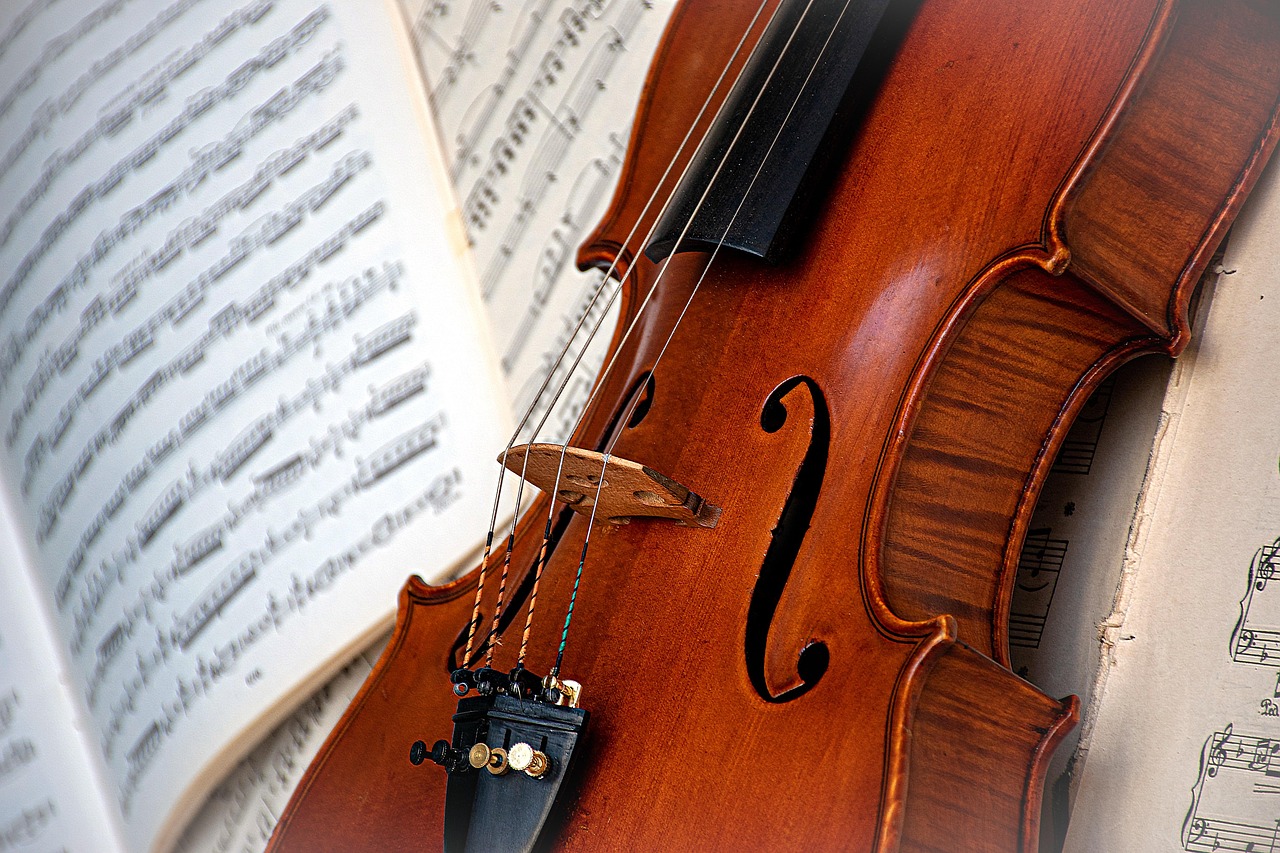
Orchestral Mechanics of Triple Meter
Bowing Patterns for String Instruments
String players encountering three four time must carefully manage their bow distribution to accommodate the underlying metric grouping. Because the downbeat carries primary metric weight, players often apply a slight downward arm weight while initiating a deliberate down-bow stroke on the string.
Subsequent beats require careful bow allocations to prevent running out of length before the measure concludes. Practicing smooth string crossings within this tripartite meter ensures that rhythmic accents sound thoroughly musical rather than mechanically forced or harsh across the entire string section.
Woodwind Articulation and Breath Support
Woodwind performers navigating three four time must align their phrase structures with the overarching metric pulse. Tongue strokes should subtly highlight the primary beat without interrupting the singing quality required for sustained lyrical lines found throughout standard orchestral literature.
Breath distribution across three distinct beats demands forward momentum, especially when phrases cross bar lines unexpectedly. Maintaining steady air pressure prevents premature fading on the third beat, helping woodwind sections project clearly over accompanying string textures during dynamic climaxes.
Visualizing Triple Meter on the Page
Score reading in three four time requires tracking the horizontal flow of measures while anticipating metric shifts. Conductors and observant musicians scan the page to identify where melodic entrances land relative to the bar line, noting syncopations and unexpected rhythmic displacements instantly.
Recognizing visual patterns on the printed page helps players anticipate changes in harmonic rhythm. When chords shift on every beat or span multiple measures, score readers use these visual cues to adjust their intonation and blend within the wider orchestral texture seamlessly.
For closely related guidance, see 6 8 music time signature.
Ensemble Rehearsal Strategies for Three-Beat Meters
Interpreting Conductor Prep Beats
Ensemble synchronization in three four time heavily relies on reading the conductor preparatory gesture correctly. The prep beat indicates not only the tempo but also the preparatory trajectory, character, and breath needed to establish a unified orchestral attack on the first beat of the measure.
Musicians must watch the rebound of the baton to gauge the exact spatial distance of the second and third beats. This visual awareness prevents lagging sections from rushing or dragging during slower lyrical movements where metric subdivisions are less obvious audibly.
Maintaining Balance Across Orchestral Sections
Balancing textures in triple meter involves distributing sound so that accompanying voices do not obscure the primary melodic line. Because the second and third beats often carry accompanying figures, inner voices must soften their dynamic level to let the lead instruments shine.
Rehearsal time is frequently spent adjusting these internal balances so the rhythmic pulse remains transparent. Percussion and lower brass must exercise restraint when providing foundational support, ensuring the lighter character of the meter is never overwhelmed by heavy orchestration.
Combating Tendencies to Rush the Third Beat
A common pitfall in orchestral playing is the unconscious rushing of the third beat leading into the next downbeat. Musicians often accelerate slightly through the final beat of the measure, compressing the time and disrupting the natural pendulum swing of the meter.
Overcoming this tendency requires internalizing the full duration of beat three by keeping the physical pulse steady. Rehearsing with metronomic awareness helps orchestras maintain equal spacing between all three beats, preserving structural integrity across complex symphonic movements without losing expression.

For closely related guidance, see 3 4 measure music.
Historical Evolution of Symphonic Triple Meter
The Classical Minuet and Trio Tradition
Classical symphonies frequently incorporate three four time through the traditional minuet and trio movement structure. These movements demand a courtly, measured elegance where the tempo remains moderate and the phrasing is clearly divided into symmetrical four-measure units.
Orchestral performance of these classical dance forms emphasizes crisp articulation and understated dynamic shifts. Musicians must honor the historical style by avoiding excessive romantic rubato, keeping the underlying dance rhythm steady and recognizable for listeners in the hall.
Romantic Era Waltz Innovations
The Romantic era transformed three four time with the advent of the symphonic waltz and character pieces. Composers introduced flexible tempos and expressive rubato, bending the strict metric framework to create a swirling, emotional listening experience for nineteenth-century audiences.
In specialized idioms like the Viennese waltz, players often lean into the first beat while subtly anticipating the second beat. Other symphonic waltzes maintain an even, lyrical pulse, relying on nuanced dynamic shaping rather than metric displacement.
Twentieth Century Metric Asymmetry and Three Four
Modern and contemporary orchestral works often embed three four time within complex polymetric or shifting meter environments. Composers frequently alternate triple meter with duple meters, challenging orchestral musicians to count accurately without losing their spatial orientation.
Navigating these modern scores requires counting subdivisions and remaining alert to sudden accent shifts. Musicians rely on clear internal pulse rather than relying solely on traditional dance feelings, successfully mastering the unpredictable rhythmic landscapes found in twentieth-century orchestral compositions.
For closely related guidance, see 4 4 time signature.
Analytical Listening Approaches for Concertgoers
Recognizing Weighted Downbeats in Performance
Active listeners enjoying orchestral works in three four time can train their ears to track the primary metric accent. By identifying the heavier downbeat at the start of each measure, audience members can easily follow the overarching architectural design of the movement.
This foundational awareness enhances appreciation of how composers vary orchestrational colors across the measure. When melody notes or dynamic accents fall away from the expected downbeat, listeners notice the resulting rhythmic tension and appreciate the expressive craftsmanship involved.
Following Harmonic Rhythm Changes
Harmonic rhythm in triple meter frequently shifts in alignment with the bar lines or subdivision points. Listeners tracking these chord progressions gain deeper insight into how musical tension builds and resolves across multiple measures of orchestral performance.
Observing how rapidly or slowly harmony changes helps differentiate between stately dance movements and fast-paced symphonic scherzos. This analytical skill transforms passive concert attendance into an active, intellectually engaging experience of standard classical repertoire.
Spotting Hemiola Cross-Rhythms
A frequent device in triple meter music is the hemiola, where two measures of three beats are temporarily grouped as three groups of two beats. Listeners who spot this rhythmic overlay can hear the delightful conflict between the written meter and the perceived accents.
Orchestral musicians project these cross-rhythms with intentional dynamic emphasis, inviting the audience to feel the metric ambiguity. Recognizing hemiolas adds a layer of excitement to orchestral listening, revealing the playful sophistication hidden within standard classical masterworks.
Frequently Asked Questions
How do I count three four time when the tempo is extremely fast?
When a movement in three four time reaches a very fast tempo, such as a rapid symphonic scherzo, conducting and counting in one beat per measure is standard practice. This approach groups the three physical pulses into a single overarching impulse for the conductor and ensemble.
Orchestral musicians shift their mental focus to track the bar line rather than individual quarter notes. This method prevents the ensemble from dragging and maintains the exhilarating momentum required for fast triple-meter orchestral passages without sacrificing synchronization.
Is three four time always interpreted as a traditional waltz feel?
Triple meter is by no means restricted to the traditional waltz interpretation found in popular orchestral dance movements. Many classical symphonies, sacred choral works, and contemporary compositions utilize three four time with solemn, dramatic, or driving character.
Musicians must examine the surrounding stylistic markings, tempo indicators, and historical context rather than assuming a waltz style automatically. Avoiding inappropriate lilt ensures that tragic adagios or urgent allegros retain their proper emotional weight and expressive integrity.
How can amateur string players avoid accentuating every single beat?
Amateur string players often fall into the trap of accenting every beat equally in triple meter, resulting in a heavy, choppy sound. Overcoming this habit involves developing superior bow control and understanding hierarchical metric structures where beats two and three remain lighter.
Practicing slow scales with varied bow pressure helps string musicians internalize the natural hierarchy of the measure. By keeping down-bows and up-bows smooth across unaccented beats, players achieve a singing legato line that honors the true flowing nature of triple meter.
How can woodwind sections manage breathing during continuous lyrical phrases in three four time?
In many orchestral works, woodwind parts are individually assigned rather than doubled, so solo players plan brief catch-breaths on unaccented beats or after tied notes. When amateur sections do feature doubled parts or shared unison passages, players can coordinate staggered breathing by selecting alternating breath points so that at least one instrument sustains the tone across the bar line without distorting the underlying three-beat pulse.
This deliberate planning prevents sudden gaps in sound that can disrupt the graceful architecture of extended triple-meter phrases. When staggering breaths in doubled or sustained harmonic textures, players match dynamic level, intonation, and tone color before taking a quick inhalation, ensuring musical momentum remains steady throughout the performance.
How can concertgoers easily distinguish between a true meter change and a hemiola in three four time?
Concertgoers can tell the difference by listening closely to the underlying accompaniment and lower string accents rather than focusing solely on the primary melody line. In a true structural meter change, the conductor’s visual beat pattern typically shifts to reflect the new time signature, such as moving from triple meter into a duple or asymmetric framework, though conductors sometimes absorb the change into a modified gesture.
Conversely, a hemiola maintains the underlying three four metric pulse visually and metronomically while the orchestral arrangement temporarily regroups the notes into contrasting two-beat rhythmic units. Listeners tracking the continuous physical momentum of the performance will notice that the primary bar lines remain completely steady during a hemiola, creating a delightful internal tension that resolves naturally back into the standard meter.