
When exploring string instruments, learners often ask if the fiddle and violin are the same instrument physically. Structurally, they are identical wooden instruments, though setup variations and playing techniques differ significantly between classical and folk traditions. Amateur orchestral musicians and listeners benefit from understanding these instrument mechanics, woodwind dynamics, and score-reading basics to fully appreciate the symphonic repertoire.
Independent educational resources provide practical guidance for navigating rehearsals, improving ensemble listening, and interpreting orchestral textures. By focusing on fundamental acoustic principles and technical standards, players and audiences can develop a deeper, more structured engagement with classical music without relying on informal myths or outdated traditions.

String Instrument Fundamentals and Acoustic Mechanics
Physical Construction and Design Parallels
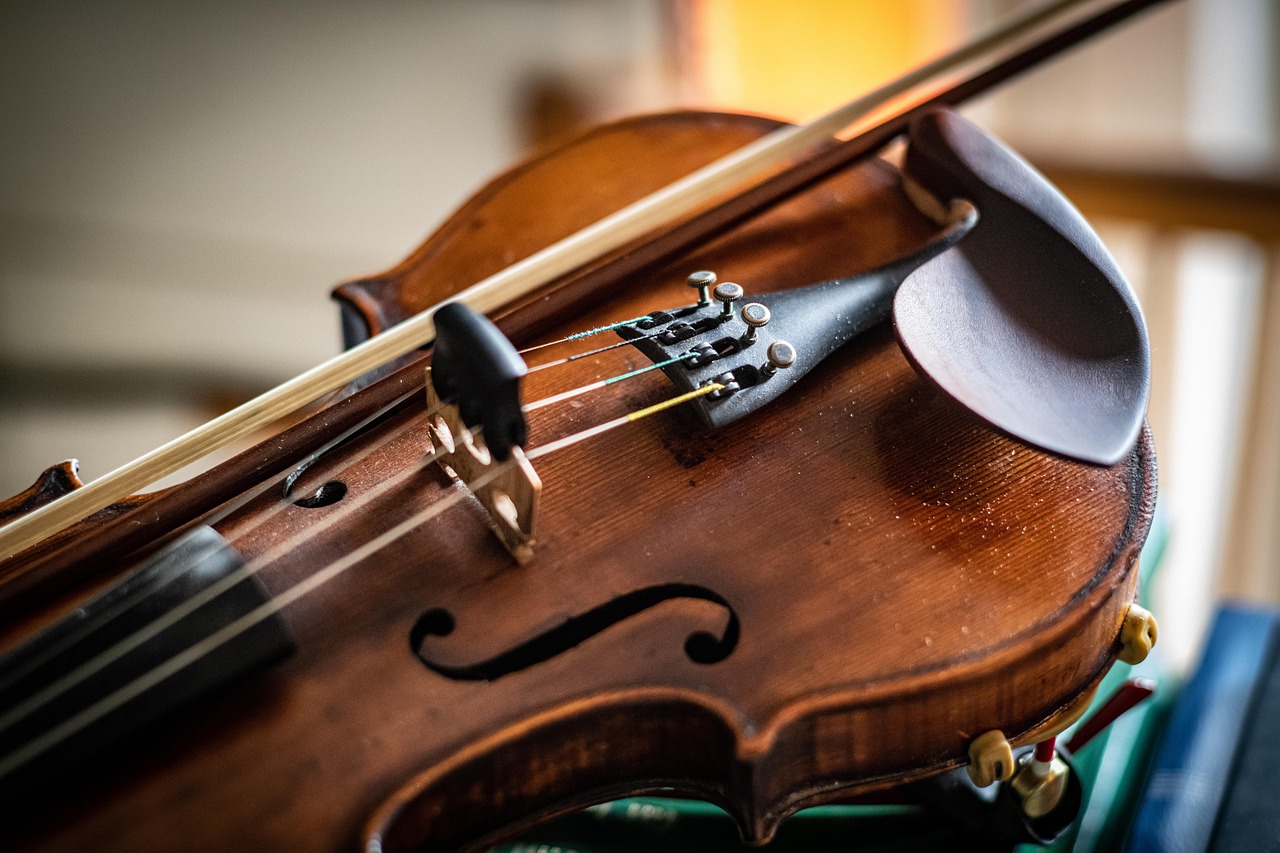
The long-standing debate over whether the fiddle and violin same instrument physically often overlooks fundamental luthier specifications. Both instruments share identical external wooden dimensions, carved top and back plates, bass bars, and internal soundposts designed to project sound efficiently.
Minor structural divergences usually appear at the bridge and fingerboard radius. Classical violins employ a distinctly curved bridge arc for single-string isolation, whereas traditional folk setups frequently utilize flatter bridges to facilitate simultaneous multi-string bowing patterns.
Bowing Techniques and Articulation Standards
Orchestral string playing relies heavily on standardized bow strokes such as spiccato, detaché, martelé, and legato. Uniform execution of these strokes among section members ensures consistent projection, clean attack points, and an unified tonal blend across the entire symphonic ensemble.
Bow placement relative to the bridge, commonly termed sul tasto or sul ponticello, directly alters harmonic content and timbral color. Amateur players must carefully monitor their bow speed and arm weight to maintain steady pitch accuracy and dynamic control.
Ergonomics and Physical Posture for Amateurs
Sustained rehearsal schedules demand correct physical posture to prevent repetitive strain injuries among amateur players. Utilizing appropriate shoulder rests and correctly fitted chinrests helps stabilize the instrument securely without inducing excessive muscle tension in the player’s neck and shoulders.
Left-hand frame management is equally crucial for ensuring clean intonation during fast passages. Keeping fingers naturally curved above the fingerboard allows efficient shifts and precise stopping, which remains essential for maintaining accurate intonation within string sections.
Maintenance and String Selection Mechanics
Regular string maintenance significantly impacts instrument resonance and response. Players should routinely wipe down strings and fingerboards after playing to remove corrosive rosin dust and skin oils that degrade string longevity.
String composition has evolved from traditional gut to synthetic core and steel options. Choosing appropriate string tensions helps optimize acoustic output while protecting vintage or delicate instruments from excessive structural pressure.
When examining physical setup, you might consider putting a bridge on your instrument to ensure correct string height.
Woodwind Dynamics and Ensemble Balance
Intonation Challenges in Section Playing
Woodwind instruments including the flute, clarinet, oboe, and bassoon present unique intonation tendencies during ensemble performance. Ambient temperature fluctuations drastically affect internal air columns, requiring players to constantly adjust embouchure pressure.
Orchestral balance depends heavily on woodwinds listening beneath the dominant string texture. Because oboes typically provide the reference tuning pitch, other woodwind instruments must match their timbral core to achieve proper harmonic blending.
Breath Support and Phrasing Mechanics
Diaphragmatic breathing provides the necessary air pressure for sustaining long, expressive musical phrases in complex symphonic passages. Wind players must plan their inhalation points carefully to avoid disrupting the overarching melodic line.
Articulation variety, ranging from crisp staccato tongue strokes to smooth legato transitions, defines woodwind character. Practicing slow chromatic scale patterns helps stabilize tone production across different dynamic levels and registers.
Mechanical Maintenance and Keywork Care
Proper mechanical maintenance prevents sticky tone pads and sluggish key action during high-stress rehearsal sessions. Amateurs should routinely swab bores and inspect cork joints to ensure reliable instrument response in varied environments.
Understanding instrument transpositions is equally critical for woodwind players who read varied clefs. Clarinets and horns read in different transposition keys, requiring mental agility when following full orchestral scores.
Timbral Blending and Color Contrast
Woodwinds provide essential color contrasts within the symphonic texture through distinct reed and air-reed designs. Combining contrasting timbres creates rich harmonic layers that highlight secondary melodic voices.
Players must modulate their personal volume and vibrato to blend effectively with neighboring instrumentalists, avoiding excessive tonal dominance in chamber-like orchestral sections.
Score Reading and Structural Analysis
Navigating Transposing Instruments in Scores
Reading a full orchestral score requires thorough familiarity with transposing instruments. Horns, clarinets, and trumpets sound pitches different from their written notation, demanding careful mental calculation by score readers.
C-scores present all parts at concert pitch, simplifying structural analysis for beginners. Studying these scores helps listeners follow individual instrumental lines during complex orchestral tutti sections.
Identifying Form and Thematic Development
Recognizing structural frameworks like sonata-allegro or rondo form significantly enhances active listening comprehension. Composers typically state primary themes in the exposition before developing them through various key centers.
Tracking motivic transformation allows listeners to observe how small rhythmic cells evolve across different instrument families throughout a multi-movement symphonic work, revealing deep compositional craftsmanship.
Dynamic Markings and Architectural Cues
Detailed score study involves analyzing dynamic arcs and tempo transitions indicated by the composer. Observing these markings helps amateur musicians anticipate major climaxes and structural transitional passages.
Textural density indicators, such as polyphony versus homophony, reveal how orchestration changes dynamically to support the primary narrative of the musical composition.
Harmonic Analysis and Cadential Points
Identifying harmonic progressions and key cadential points helps musicians understand structural divisions within symphonic movements. Recognizing these milestones aids in pacing performance phrasing effectively.
Score annotations regarding harmonization provide valuable clues for interpreting emotional shifts, tension builds, and resolution moments during rehearsals and live performances.
Rehearsal Etiquette and Preparation
Individual Preparation Before Sectionals
Arriving at rehearsals with thoroughly prepared individual parts is a fundamental professional courtesy. Amateur musicians should isolate difficult technical passages and practice them slowly with a metronome.
Marking scores clearly with conductor instructions, bowings, and dynamic changes prevents repeated errors. Effective communication within sections ensures unified execution during complex rehearsal segments.
Conductor Communication and Following Cues
Responsive ensemble playing relies heavily on peripheral vision and attentive watching of the conductor’s baton. Downbeats, preparatory gestures, and cutoff signals dictate collective timing and stylistic interpretation.
Musicians must balance watching the conductor with actively listening to section partners. This dual focus creates tight rhythmic synchronization and cohesive artistic expression across the entire orchestra.
Acoustic Adaptation in Rehearsal Spaces
Rehearsal halls often possess vastly different acoustic properties than permanent performance venues. Performers must adjust their projection and listening habits to compensate for dead spaces or excessive reverberation.
Managing personal volume ensures that inner voices remain audible without masking the primary melody. Mutual listening fosters a balanced orchestral texture in diverse acoustic environments.
Time Management and Focus Maintenance
Maintaining high concentration levels throughout long rehearsal blocks is vital for productive ensemble development. Musicians should use breaks to rest chops, review notes, and mentally prepare for upcoming difficult movements.
Respecting podium instructions and minimizing unnecessary noise during stop-and-start sessions keeps the rehearsal efficient and beneficial for every participating musician.
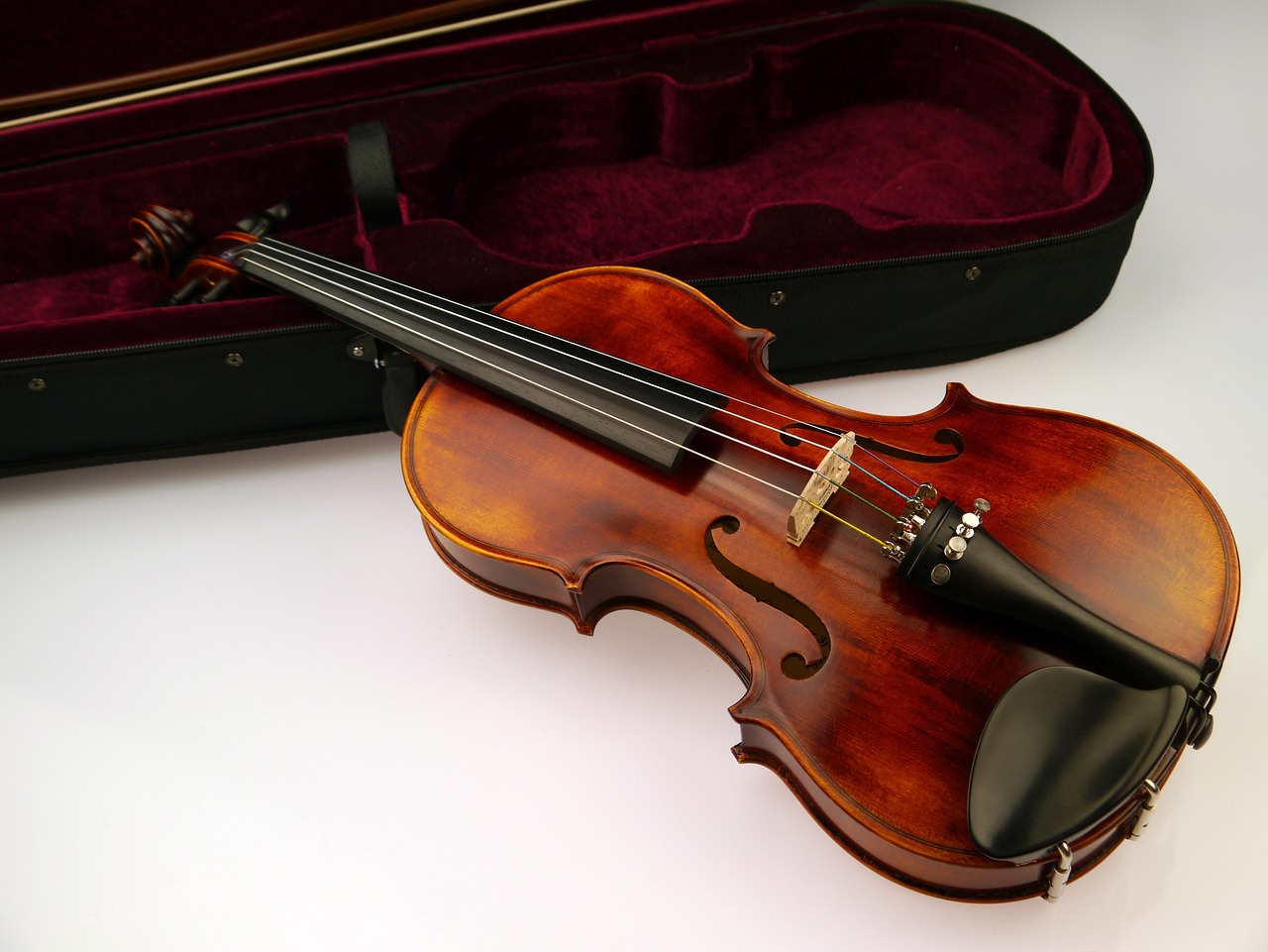
Maintaining steady tempo during group run-throughs often requires integrating a reliable metronome for violin practice into your routine.
Orchestral Listening and Acoustic Awareness
Dissecting Symphonic Textures by Ear
Active orchestral listening involves isolating specific instrument families within dense sonic landscapes. Concentrating on inner string voices or counter-melodies reveals intricate compositional details.
Recognizing timbre combinations helps listeners appreciate orchestration choices. For instance, pairing flutes with muted violins creates a distinct color absent from unblended instrument pairings.
Understanding Acoustic Overtones and Blending
Acoustic blending occurs when instruments lock into precise harmonic overtones. When string sections play in pure temperament, difference tones emerge, enriching the overall symphonic sound.
Room acoustics significantly influence how audience members perceive orchestral balance. Sound waves interact with architectural surfaces, shaping the dynamic range and clarity of the performance.
Cultivating Long-Form Concentration
Symphonic works often span considerable timeframes, requiring sustained listener focus. Following the overarching emotional and narrative arc prevents mental fatigue during multi-movement compositions.
Pre-concert score study or listening guides can provide helpful mental frameworks. Familiarizing oneself with key themes enhances structural comprehension during live orchestral performances.
Spatial Perception in Concert Halls
Recognizing instrument placement on stage enhances the spatial dimension of orchestral listening. Sound distribution varies depending on whether listeners sit close to the stage or in the rear balcony.
Developing spatial awareness helps audience members track antiphonal brass calls or shifting string melodies across the physical orchestra layout during complex symphonic passages.
To understand symphonic leadership roles, it is helpful to study the responsibilities of the first violin in orchestra during complex tuttis.
Frequently Asked Questions
Are the fiddle and violin physically the same instrument?
Yes, the fiddle and violin are structurally the same wooden instrument, sharing identical dimensions, neck lengths, and internal soundposts. The primary differences lie in the setup, such as bridge curvature and string type, and the regional playing techniques applied by the musician. Classical players use arched bridges for single-string clarity, whereas some traditional folk players prefer flatter bridges to execute multi-string double stops more easily.
How should amateur string players practice intonation effectively?
Effective intonation practice requires slow, deliberate scale work using a drone note or electronic tuner to check reference pitches. Amateurs should focus on finger spacing and ear training, ensuring that stopped notes resonate cleanly with open strings. Regular practice without vibrato helps expose pitch discrepancies, allowing players to correct finger placement and build reliable muscle memory across the entire fingerboard.
What are the main challenges of woodwind intonation in an orchestra?
Woodwind intonation is heavily influenced by ambient temperature and breath pressure changes during performance. Flutes, oboes, and clarinets naturally tend to sharp when warm and flat when cool. Players must continuously adjust their embouchure and air speed to match the orchestra’s tuning pitch. Listening carefully to section leaders and neighboring instruments is essential for maintaining consistent harmonic alignment throughout symphonic movements.
How can beginner listeners improve their score reading skills?
Beginners should start by following simplified piano reductions or concert-pitch C-scores while listening to recorded symphonic works. Tracking the primary melodic line and observing dynamic markings helps build foundational score-reading literacy. As comfort grows, readers can advance to full orchestral scores, learning to identify transposing instruments and track individual instrumental voices through complex polyphonic passages over time.
What is the best way to prepare for an orchestral rehearsal?
Thorough individual preparation involves playing through assigned parts slowly with a metronome to master difficult rhythms and shifting patterns. Musicians should mark bowings, fingerings, and conductor cues clearly in their scores before attending sectionals. Arriving early with a well-prepared part ensures that rehearsal time can be dedicated to ensemble balance, dynamic shaping, and stylistic cohesion rather than basic note acquisition.
Why is acoustic awareness important for orchestral musicians?
Acoustic awareness allows musicians to balance their volume and tone with the surrounding ensemble. Different performance halls absorb and reflect sound uniquely, requiring performers to adjust their projection. By listening actively to neighboring sections, players ensure that inner voices remain distinct without overpowering the primary melody, resulting in a cohesive and well-blended symphonic texture for the audience.