Preparing for competitive orchestral auditions requires a rigorous blend of technical mastery, strategic planning, and deep musical insight. Musicians aiming for positions within prestigious ensembles face immense pressure to deliver flawless performances under intense scrutiny. Navigating this demanding landscape successfully involves more than just practicing instrument passages; it requires a comprehensive understanding of audition mechanics, orchestral repertoire, and professional standards.
This curated collection of resources provides aspiring orchestral players, conductors, and performers with expert guidance, strategic playbooks, and foundational preparation materials. Whether you are refining your excerpt execution, studying international conducting traditions, or exploring live performance dynamics, these selected works offer invaluable perspectives to elevate your musical career to the next level.
1. Orchestra 101 Audition
Best for musicians seeking a foundational introduction to professional orchestral performance and essential audition preparation techniques.

Orchestra 101: Audition Preparation and an Introduction to Professional Orchestral Performance serves as a vital entry point for instrumentalists stepping into the professional arena. Navigating the transition from student ensembles to professional symphony orchestras demands a distinct shift in mindset, preparation habits, and performance execution. This resource breaks down the fundamental expectations placed on audition candidates, helping players understand what committees look for beyond basic technical proficiency.
By focusing on foundational preparation strategies, the material helps demystify the multi-round audition process common in major orchestral organizations. Musicians learn how to structure their practice routines to address standard orchestral excerpts efficiently, maintain mental focus under pressure, and project confidence through their sound. It provides a clear framework for building a sustainable preparation routine that addresses both the physical and psychological demands of high-stakes musical evaluations.
Furthermore, the text offers valuable context regarding professional orchestral life, bridging the gap between isolated practice rooms and collaborative ensemble environments. Understanding how individual musicians fit into the broader sonic landscape of a symphony orchestra is critical for successful auditions. This guide equips players with the awareness needed to demonstrate immediate ensemble readiness during high-pressure audition scenarios.
What stands out
- Comprehensive focus on foundational audition preparation methodologies for aspiring orchestral musicians
- Clear insights into professional orchestral performance expectations and committee evaluation standards
- Practical guidance designed to bridge the gap between private practice and professional ensemble integration
What to consider
- Focused primarily on introductory audition concepts rather than advanced, instrument-specific excerpt coaching
- Requires supplementary professional repertoire materials to build a complete orchestral audition binder
Overall, this resource provides an essential foundation for any instrumentalist preparing to enter the competitive world of professional orchestral auditions.
2. Winning the Audition
Best for advanced performers looking for targeted advice and turbo-charged strategies directly from leaders in the field.
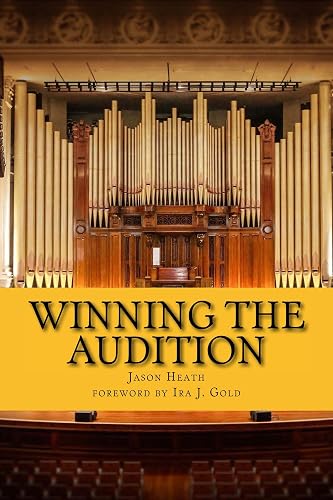
Winning the Audition: Turbocharge Your Orchestral Audition: Advice from Leaders in the Field delivers direct insights from seasoned professionals who have successfully navigated the highest levels of orchestral performance. Auditioning for a major orchestra is an art form in itself, often requiring tactics distinct from standard solo performance. This volume aggregates wisdom from industry leaders, offering readers a behind-the-scenes look at what separates successful candidates from the rest of the applicant pool.
The guidance provided within these pages tackles the nuances of modern audition procedures, including screening rounds, curtain policies, and committee expectations. By learning from the experiences of established orchestral leaders, musicians can refine their preparation strategies to avoid common pitfalls. The text emphasizes efficiency, mental resilience, and the precise execution of standard orchestral excerpts under rigorous evaluation criteria.
In addition to technical advice, the book explores the psychological elements of high-stakes performance. Managing performance anxiety and maintaining unwavering consistency across multiple audition rounds are critical themes. Armed with expert advice from leaders in the field, candidates can approach their next audition with a sharper focus and a proven tactical framework.
What stands out
- Direct advice and insider perspectives sourced from established leaders in professional orchestral fields
- Advanced strategies designed to turbocharge practice routines and excerpt execution under pressure
- Deep dive into the psychological and tactical nuances of multi-round orchestral auditions
What to consider
- Advanced concepts may present a steep learning curve for instrumentalists completely new to orchestral auditions
- Relies heavily on generalized leadership advice that musicians must actively apply to their specific instruments
Winning the Audition equips dedicated performers with the insider knowledge necessary to stand out in fiercely competitive orchestral trials.
Related: Analyzing Also Sprach Zarathustra Time Signature
3. The Orchestra Conductor
Best for musicians and conductors exploring international orchestral traditions, score interpretation, and the broader global musical order.

The Score, the Orchestra, and the Conductor (Europe and the International Order) offers a profound exploration of symphonic leadership and international musical structures. While many audition guides focus solely on instrumental mechanics, this work expands the reader’s perspective to encompass the intricate relationship between the Orchestra, and the Conductor (Europe and the International Order). Understanding how conductors shape phrasing, tempo, and texture is vital for any orchestral musician aiming to blend seamlessly into a professional ensemble.
The text examines the historical and cultural traditions governing European and international symphonic institutions. For musicians preparing for auditions, grasping these broader musical philosophies enhances score interpretation and stylistic awareness. Whether performing standard classical repertoire or demanding contemporary works, players who understand the conductor’s perspective can anticipate musical cues and adapt more effectively during ensemble playing.
Furthermore, this comprehensive volume provides deep analytical insights into symphonic literature. By examining how complex scores are realized through orchestral collaboration, readers gain a richer appreciation of the collective art form. It serves as an indispensable reference for serious musicians seeking to deepen their intellectual and practical connection to the global orchestral tradition.
What stands out
- Explores the dynamic relationship between the orchestra, and the conductor (Europe and the international order)
- Provides deep analytical insights into European and international symphonic performance traditions
- Enhances score study and stylistic awareness for advanced orchestral musicians and aspiring conductors
What to consider
- Focuses heavily on high-level conducting and international institutional structures rather than basic instrumental audition prep
- Academic tone requires close, contemplative reading to fully digest complex musical and historical concepts
This scholarly resource deepens the interpretive abilities of musicians looking to understand the broader context of professional orchestral performance.
Related: Comparing the Double Bass and Violin
4. College Audition Guide
Best for students and young artists navigating musical theatre and voice auditions alongside broader performance pathways.

College Audition Success!: A Survival Guide for Musical Theatre and Voice Majors provides targeted guidance for young performers stepping into academic and professional performance environments. While orchestral instrumentalists focus heavily on instrumental excerpts, vocalists and musical theatre artists face a unique set of audition challenges that require specialized preparation strategies, repertoire selection, and stage presence.
This survival guide outlines step-by-step approaches to selecting contrasting audition material, managing college application timelines, and presenting oneself effectively before admissions committees. The physical and vocal demands of musical theatre require rigorous training regimens, and this text offers practical advice for maintaining vocal health throughout demanding audition seasons. Students learn how to handle slate-ins, cold readings, and panel interactions with poise and confidence.
In addition to practical logistics, the guide emphasizes the psychological resilience needed to navigate rejection and success in competitive academic programs. By establishing healthy preparation habits early in their academic journeys, young performers lay a robust groundwork for future professional opportunities in the performing arts industry.
What stands out
- Specialized survival guide tailored specifically for musical theatre and voice majors entering college programs
- Practical instructions on repertoire selection, application timelines, and professional panel presentation
- Actionable advice on maintaining vocal health and psychological resilience during intense audition seasons
What to consider
- Primarily oriented toward vocalists and musical theatre applicants rather than instrumental orchestral players
- Focuses heavily on collegiate admissions processes rather than professional symphony orchestra auditions
College Audition Success! provides an invaluable roadmap for young vocal and theatrical artists establishing their professional performance careers.
Related: Playing and Tuning Upright Bass Open
5. Audition Playbook Guide
Best for instrumentalists requiring optimal planning, structured timelines, and systematic organization for orchestral auditions.

Audition Playbook: Optimal Planning for Orchestral Audition Success offers a strategic, highly organized approach to preparing for symphony orchestra openings. Success in orchestral auditions is rarely the result of last-minute cramming; it demands months of meticulous planning, goal setting, and milestone tracking. This playbook provides musicians with a structured framework to manage their preparation timeline effectively from announcement to the audition day.
The core philosophy of the playbook centers on eliminating guesswork through optimal planning. Readers learn how to break down extensive excerpt lists into manageable weekly practice goals, analyze their technical weaknesses objectively, and simulate audition conditions in practice rooms. By treating audition preparation like an athletic training regimen, players can build physical endurance and mental consistency.
Moreover, the guide helps musicians track their progress systematically, ensuring that tempo accuracy, stylistic integrity, and intonation are thoroughly polished across all required works. This methodical approach reduces anxiety and instills the deep-rooted confidence required to perform at peak capacity behind a screening screen.
What stands out
- Structured playbook framework focused on optimal planning and timeline management for orchestral auditions
- Systematic methodologies for breaking down excerpt lists and tracking technical and musical progress
- Practical simulation techniques designed to replicate real audition conditions in the practice room
What to consider
- Requires rigorous discipline and consistent daily commitment to fully utilize the structured playbook system
- Focuses heavily on planning logistics rather than providing specific technical instructions for individual instruments
Audition Playbook transforms chaotic practice schedules into a streamlined, goal-oriented path toward orchestral audition success.
6. Orchestral Musician Pro
Best for aspiring professionals seeking a comprehensive overview of career pathways within the modern orchestral landscape.

Becoming an Orchestral Musician: A Guide for Aspiring Professionals provides a holistic view of what it takes to build a sustainable, rewarding career in symphony orchestras. Beyond winning a single audition, professional orchestral musicians must navigate ensemble politics, continuous skill maintenance, touring schedules, and collaborative dynamics. This guide prepares aspiring artists for the day-to-day realities of life inside a professional music organization.
The text explores the diverse pathways available to modern instrumentalists, offering realistic perspectives on conservatory training, freelance work, and permanent orchestral membership. It outlines the professional etiquette, punctuality, and adaptability required to thrive in a section alongside colleagues of varying backgrounds and personalities. Aspiring professionals learn how to balance personal artistic expression with the collective goals of the conductor and ensemble.
By addressing both the artistic and career-oriented aspects of orchestral playing, this resource serves as an essential companion for students transitioning into the professional sphere. It demystifies the audition-to-employment pipeline and encourages long-term career resilience.
What stands out
- Holistic career guide detailing the daily realities and professional expectations of orchestral musicians
- Valuable insights into professional etiquette, ensemble dynamics, and long-term career sustainability
- Addresses the complete transition from aspiring student to fully employed professional ensemble member
What to consider
- Broader career focus means less space dedicated exclusively to specific excerpt technical breakdowns
- Geared toward long-term career development rather than quick-fix solutions for upcoming auditions
Becoming an Orchestral Musician offers vital career guidance for any instrumentalist dedicated to securing a lasting professional orchestral position.
7. Chicago Blues Summit
Best for music enthusiasts and performers exploring legendary blues performance traditions and live concert recordings from Chicago.

Muddy Waters And Friends – Soundstage Blues Summit In Chicago captures the electrifying energy of legendary American blues performance. While classical orchestral auditions require strict adherence to standard symphonic scores, exploring alternative genres like blues enriches a musician’s sense of rhythm, phrasing, groove, and improvisational freedom. This legendary concert document highlights the vibrant musical heritage rooted deeply in Chicago.
Featuring iconic collaborations, the recording showcases the raw emotion, expressive vocal styling, and driving guitar work that define classic Chicago blues. For classically trained instrumentalists, studying the phrasing and stylistic delivery of blues masters offers a refreshing perspective on articulation and timing. Groove and micro-timing nuances found in blues performance translate into a more flexible, responsive approach to rhythm in standard ensemble playing.
The visual and auditory experience of this live summit connects viewers directly to the rich cultural tapestry of Chicago’s music scene. It stands as a powerful testament to the collaborative spirit of live performance, reminding artists across all genres of the importance of authentic musical expression and connection with an audience.
What stands out
- Captures historic live performances featuring legendary artists during the soundstage blues summit in Chicago
- Offers rich exposure to authentic blues phrasing, micro-timing, and improvisational musical traditions
- Connects listeners to the vibrant, culturally significant music heritage rooted in Chicago
What to consider
- Focuses entirely on blues performance rather than orchestral excerpt preparation or classical music study
- Live concert format is designed for performance viewing and listening rather than instructional reading
Chicago Blues Summit delivers an inspiring immersion into legendary live blues performance and cultural musical history.
8. Orchestral Performance
Best for conductors and players aiming to master symphonic performance practices, ensemble coordination, and score realization.

Orchestral Performance: A Guide for Conductors and Players bridges the gap between individual instrumental mastery and collective ensemble cohesion. Successful orchestral performance requires every member of the orchestra, from section players to principal chairs and conductors, to understand how their individual parts contribute to the overarching symphonic structure. This comprehensive guide provides actionable principles for achieving unified intonation, balance, and expression.
The text addresses the distinct responsibilities of both conductors and players, fostering mutual understanding and effective communication during rehearsals and performances. Instrumentalists learn how to listen across sections, balance dynamic levels dynamically, and respond intuitively to subtle conducting gestures. For conductors, the manual offers clear strategies for leading rehearsals efficiently and articulating musical interpretations clearly to the ensemble.
By emphasizing collaborative listening and shared stylistic understanding, Orchestral Performance elevates the artistic quality of symphonic groups. It serves as an essential reference manual for university ensembles, community orchestras, and professional players alike.
What stands out
- Comprehensive guide addressing the collaborative roles of both orchestral conductors and instrumental players
- Practical techniques for achieving unified intonation, dynamic balance, and cohesive ensemble phrasing
- Fosters improved communication and active listening skills across all instrument sections
What to consider
- Advanced ensemble concepts require practical group application to fully realize the instructional value
- Focuses primarily on collaborative ensemble execution rather than solo audition preparation techniques
Orchestral Performance provides an invaluable roadmap for achieving true symphonic unity and artistic excellence in any ensemble.
Understanding Orchestral Audition Demands
Preparing for competitive orchestral auditions requires an intimate understanding of what professional ensembles demand from candidates. Unlike solo competitions where personal interpretation reigns supreme, orchestral auditions prioritize precision, stylistic accuracy, and absolute blending capability. Committees listen for immaculate intonation, steady rhythm, and an unwavering sense of tempo across standard orchestral excerpts. Candidates must master not only the notes on the page but also the specific historical context and stylistic nuances associated with each composer’s masterworks.
Furthermore, managing the physical and mental stamina required for multi-round auditions is a critical component of preparation. Screening rounds behind closed curtains mean that candidates are judged solely on their sound quality and technical execution without visual bias. Building endurance through simulated audition environments helps players maintain peak performance levels from the first preliminary round through the intense final playoff.
Preparing Orchestral Excerpts Effectively
Excerpt preparation is the cornerstone of any successful orchestral audition strategy. Musicians must approach standard excerpts with analytical precision, studying original scores to understand how their specific part fits into the broader harmonic and rhythmic texture. Practicing excerpts at varied tempos with a metronome ensures flawless rhythm control, while recording practice sessions allows players to evaluate their tone production and articulation objectively from the listener’s perspective.
Creating a structured preparation timeline prevents last-minute cramming and reduces performance anxiety. By utilizing goal-oriented playbooks and scheduling systematic milestone checks, instrumentalists can address technical weak spots methodically. This disciplined approach transforms daunting excerpt lists into manageable, polished performance segments ready for rigorous committee evaluation.
The Role of Conductors and Scores
A deep comprehension of symphonic scores and conducting traditions elevates an orchestral musician from a proficient technician to an insightful artistic collaborator. Studying how conductors approach phrasing, balance, and tempo across different international traditions broadens a player’s interpretive palette. Understanding symphonic leadership structures allows audition candidates and ensemble members to anticipate musical cues and respond seamlessly during live performances.
Analyzing complete orchestral works rather than isolated excerpts provides vital context for how individual parts function within the collective soundscape. Musicians who grasp the architectural design of a symphony can make informed musical choices that align with the artistic vision of the conductor and the traditions of the ensemble.
Navigating College and Professional Transitions
The transition from student ensembles to professional orchestral careers is a pivotal phase that requires careful navigation. Young artists must balance technical skill development with professional etiquette, punctuality, and adaptability. Whether participating in musical theatre auditions, voice competitions, or instrumental tryouts, maintaining physical and mental health is essential for long-term career sustainability in the performing arts.
Building a resilient mindset helps performers navigate the inevitable rejections and competitive pressures inherent in professional auditions. By engaging with comprehensive career guides and mentorship resources, aspiring professionals can establish sustainable daily habits, effective networking strategies, and a clear vision for their artistic futures.
Mental and Strategic Audition Planning
Strategic planning is just as important as physical practice when preparing for major orchestral auditions. Establishing a detailed preparation calendar ensures that all required repertoire receives adequate attention well in advance of the application deadlines. Incorporating mental rehearsal techniques and simulation runs helps desensitize performers to the high-pressure environment of the audition hall.
Ultimately, successful audition candidates combine rigorous technical preparation with robust mental conditioning. By treating the audition process as a systematic challenge rather than an intimidating trial, musicians can step behind the screen with absolute confidence, ready to deliver their finest possible performance.
How should musicians approach professional orchestral auditions?
Musicians should approach professional orchestral auditions with meticulous preparation, structured timelines, and a deep understanding of excerpt requirements. Focusing on immaculate intonation, steady rhythm, and stylistic accuracy is essential, alongside building physical and mental endurance through simulated audition practice.
What role do conductors and scores play in preparation?
Studying complete scores and understanding conducting traditions helps instrumentalists grasp the broader harmonic and rhythmic context of orchestral repertoire. This knowledge allows players to anticipate musical cues, interpret phrasing accurately, and align with ensemble standards.
Are college audition guides useful for orchestral players?
While college audition guides often focus on vocalists and musical theatre majors, they offer valuable foundational insights into application logistics, panel presentation, and managing performance anxiety that benefit all young performing artists.
How does live performance footage inform musicianship?
Viewing and listening to legendary live concert recordings exposes classical musicians to authentic phrasing, micro-timing, groove, and spontaneous artistic expression, enriching their overall musicality and flexibility.
What is the value of structured audition playbooks?
Structured audition playbooks help musicians break down extensive repertoire lists into manageable goals, establish optimal preparation timelines, and track technical progress systematically from announcement to audition day.
Mastering Chicago orchestra auditions and professional symphonic performance demands unwavering dedication, strategic planning, and continuous artistic growth. By utilizing expert preparation guides, studying international score traditions, and refining excerpt execution, instrumentalists can elevate their craft and navigate competitive auditions with confidence.
Whether you are an aspiring student stepping into professional ensembles or an experienced player refining your audition strategy, the curated resources explored in this review provide the essential tools needed to achieve lasting success in the orchestral world.