The double bass exists in several distinct configurations, sizes, and construction styles tailored to different musical genres, physical statures, and acoustic requirements. Understanding these variations helps orchestral musicians select the right instrument for symphonic performance, chamber music, or portable practice routines.
From traditional carved wood symphonic models to modern carbon fiber composites and electric uprights, each type of double bass offers unique handling characteristics and tonal properties. Players must weigh factors such as scale length, body shape, and wood selection when evaluating instruments for purchase or long-term loan.
This guide examines the core physical and acoustic differences among various double bass types, detailing how sizing, materials, and regional designs impact orchestral projection, intonation, and physical ergonomics during extended rehearsal sessions.

Sizing Variations and Scale Lengths
Standard Three-Quarter Configuration
The double bass most widely used in modern orchestral sections is the three-quarter (3/4) size, rather than a true full-size (4/4) instrument. With a vibrating string length typically around forty-one to forty-two inches, the 3/4 bass provides an effective balance of low-register acoustic projection and manageable physical reach.
Orchestral players rely on this configuration for its deep, resonant low register and robust projection through heavy brass and woodwind sections. Selecting this standard size requires sufficient physical reach and hand span to manage wide intervals comfortably in the lower positions.
Fractional Sizes for Smaller Players
Fractional double basses, including quarter-size and half-size instruments, accommodate younger students and smaller adults without sacrificing essential acoustic qualities. These scaled-down models reduce string tension and shorten the fingerboard distance, helping players maintain proper intonation and posture.
Instructors frequently recommend half-size instruments for middle school and high school musicians transitioning to standard repertoire. While smaller bodies produce slightly less room-filling volume, modern acoustic design ensures these instruments still blend effectively within community and youth orchestras.
Five-String Orchestral Models
Five-string double basses incorporate an additional low extension string, typically tuned to low B, allowing players to perform advanced symphonic literature without mechanical C-extensions. This configuration expands the lower pitch range significantly for demanding orchestral passages.
The wider fingerboard and increased string tension demand specialized physical technique from the player. Managing five strings requires precise bow control and careful string crossing to avoid accidental contact with adjacent strings during rapid movements.
For closely related guidance, see different types of clarinet reeds.
Construction Materials and Acoustic Design
Solid Wood Carved Instruments
Solid wood carved double basses utilize aged spruce for the top plate and figured maple for the back and ribs, mirroring traditional violin family construction. Master luthiers carefully carve these plates to specific graduated thicknesses to maximize resonance and structural integrity.
These premium instruments develop richer, more complex overtones as the wood matures through years of continuous playing. However, solid wood models remain sensitive to humidity fluctuations and require careful climate control to prevent cracking and seam separations.
Laminated Plywood Construction
Laminated plywood double basses feature multiple layers of thin wood pressed together with strong adhesives, creating an exceptionally durable and stable instrument body. This rugged construction method resists temperature and humidity shifts, making plywood basses ideal for outdoor performances and frequent travel.
While laminated instruments generally lack the tonal complexity and dynamic range of carved wood models, they offer reliable projection and low maintenance. Student ensembles and jazz musicians frequently choose plywood builds for their robust physical resilience.
Hybrid Double Bass Builds
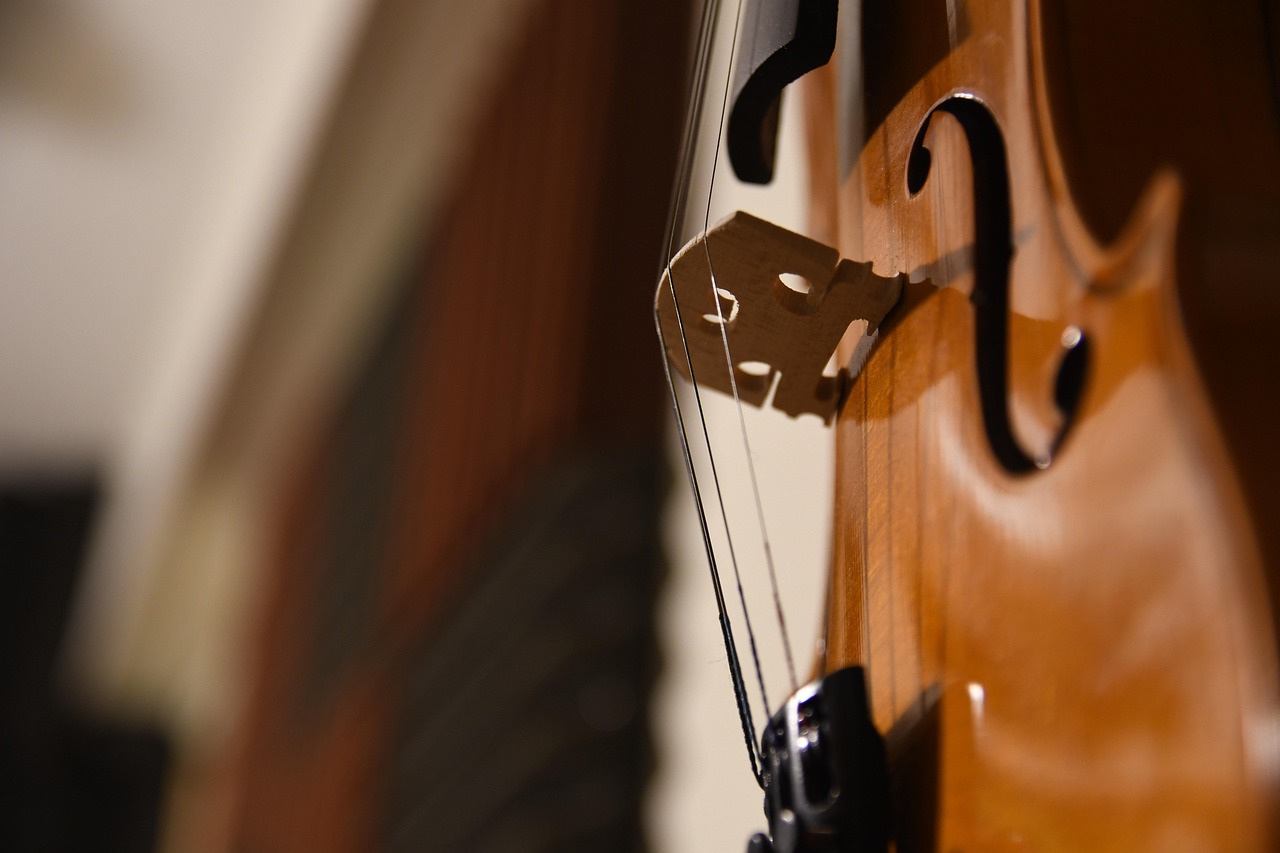
Hybrid double basses combine a solid carved spruce top with laminated maple back and sides, striking a balance between acoustic performance and structural durability. The solid top allows the instrument to produce a warm, resonant tone that improves with age.
At the same time, the laminated back and ribs reduce overall manufacturing costs and provide added resistance to environmental stress. This compromise makes hybrid models popular among intermediate orchestral musicians seeking professional tone quality on a practical budget.
For closely related guidance, see double bass bow hair.
Regional Historical Shapes and Bracing
Viol-Shape versus Violin-Shape
Double bass body shapes typically follow either viol or violin profiles, each offering distinct ergonomic and acoustic characteristics. Viol-shape instruments feature sloping shoulders that facilitate easier access to the upper fingerboard during thumb position passages.
Violin-shape models include defined corners at the upper bouts, resembling a massive cello, which can alter internal air volume and directional sound dispersion. Orchestral players often select viol-shape bodies for traditional symphonic work due to historical precedent and comfortable shoulder clearance.
Busetto and Flat-Back Designs
Busetto-shape double basses feature distinctive inward-curving corners and pointed lower bouts, drawing on historical northern Italian design traditions. This specialized pattern provides a distinct acoustic character while preserving left-hand accessibility.
Additionally, back plate construction varies between carved arched backs and flat backs braced internally. Flat-back models produce a direct, punchy fundamental tone favored in both orchestral pizzicato and jazz settings, while arched backs offer blended warmth.
English and Italian School Profiles
Historical English and Italian double bass schools established distinct body proportions and arching profiles that continue to influence modern instrument makers. Italian instruments often feature broad lower bouts and rich amber varnishes, prioritizing deep, dark fundamental frequencies.
English models frequently display narrow shoulders and robust internal bracing designed to withstand heavy gut and steel string tensions. Modern luthiers study these historical regional templates to replicate proven acoustic qualities for contemporary symphony players.
For closely related guidance, see bach double bass solo.
Contemporary Setup and Amplification Options
Electric Upright Bass Variations
Electric upright basses omit the traditional hollow acoustic body entirely, relying instead on solid wood or composite frames paired with magnetic or piezoelectric pickups. These minimalist instruments eliminate feedback issues when used with high-gain amplification systems on loud stages.
While they lack unamplified symphonic projection, electric uprights provide exceptional portability for traveling musicians and simplify backstage storage requirements. Practice sessions also benefit from headphone outputs available on many commercial electric models.
Acoustic-Electric Hybrid Models
Acoustic-electric hybrid double basses retain traditional hollow wooden bodies while incorporating factory-installed bridge transducers and internal preamplification controls. This dual-purpose design allows musicians to switch seamlessly between natural acoustic projection and amplified performance.
Orchestral players performing in large outdoor venues or crossover concert settings utilize these instruments to maintain authentic tone. Proper equalization is necessary to prevent harsh frequencies when connecting directly to house sound reinforcement systems.
Carbon Fiber Composite Instruments
Carbon fiber double basses utilize advanced polymer composites to mold hollow instrument bodies that completely resist environmental changes. These synthetic instruments maintain stable intonation and pitch in extreme heat, cold, or high humidity conditions.
Touring symphony musicians appreciate the rugged durability and consistent response of carbon fiber builds during international travel. Although some traditionalists miss organic wood aesthetics, these composites deliver impressive projection and clear harmonic overtones.

Frequently Asked Questions
What size double bass is appropriate for an adult beginner?
Most adult beginners achieve the best results using a standard three-quarter size double bass, which matches professional orchestral standards. Trying to play a full four-quarter instrument often causes unnecessary physical strain and impedes proper technique development.
Instructors evaluate individual hand size, arm length, and physical posture to confirm the correct fit before purchase. Consulting a professional luthier ensures the setup accommodates the player’s physical capabilities comfortably.
How does a carved wood bass differ from a laminated instrument?
Carved wood double basses use solid, aged tonewoods that vibrate freely, producing a complex, resonant sound that improves over years of playing. Laminated instruments use pressed plywood layers, offering greater durability and resistance to climate shifts.
While carved basses deliver superior acoustic depth for orchestral halls, laminated models provide reliable, low-maintenance performance for students and travelers. Players must weigh tone quality against environmental durability when choosing.
When should an orchestral player consider a five-string bass?
An orchestral player should consider a five-string double bass when standard symphonic literature frequently requires notes below the low E string. These instruments eliminate the need for mechanical C-extensions, simplifying fingerings in heavy bass sections.
However, players must be prepared to adjust to a wider fingerboard and increased physical demands. Consulting section colleagues and teachers helps determine if a five-string setup aligns with local repertoire requirements.
What are the ergonomic advantages of a viol-shape versus a violin-shape double bass?
Viol-shape double basses feature gently sloping shoulders that significantly improve physical comfort and overall accessibility during extended orchestral rehearsals. This traditional sloping shoulder design allows musicians to easily navigate the upper registers using standard thumb position techniques with less physical strain, facilitating smoother shifts across the entire fingerboard.
In contrast, violin-shape instruments include distinct upper corner bouts similar to a large cello. While some players appreciate this classic visual aesthetic, those sharp corners can occasionally impede arm clearance and restrict proper shoulder rotation during complex technical passages. Orchestral musicians frequently select viol-shape bodies to prioritize long-term physical comfort and minimize performance fatigue in the section.
How do mechanical C-extensions function on four-string double basses?
A mechanical C-extension adds an extra fingerboard extension and string length past the standard nut, allowing a standard four-string bass to reach low C (or occasionally low B on extended models). Integrated metal levers or rotating wooden flippers let the player quickly engage specific mechanical stops to play extended low register notes without transitioning to a bulky five-string instrument.
This clever mechanical device preserves the narrower, familiar fingerboard width and traditional string spacing of a standard four-string setup while fully unlocking demanding symphonic literature. Orchestral players must practice coordinating these mechanical levers with their left hand, ensuring seamless transitions when navigating complex scores that require rapid downward pitch extensions.
What maintenance factors should musicians consider when caring for a solid wood carved double bass?
Solid wood carved double basses require strict humidity and temperature management to prevent severe structural damage such as wood cracking or open seams. Because solid spruce and maple naturally expand and contract with environmental shifts, players should utilize room humidifiers during dry winter months and avoid exposing the instrument to extreme drafts, rapid temperature swings, or direct heat sources.
Routine maintenance also involves periodically checking bridge alignment, soundpost placement, and string height, since natural wood movement can alter setup geometry over time. Regular cleaning removes accumulated rosin and protects the delicate acoustic varnish, ensuring the instrument maintains its structural integrity and optimal projection throughout years of demanding symphonic use.