Exploring a bach double bass solo requires a unique approach to transcription, technique, and historical interpretation. While Johann Sebastian Bach never composed unaccompanied solo repertoire for the double bass or violone, adventurous bassists regularly adapt his solo cello suites and violin partitas for the instrument.
This repertoire challenges orchestral musicians to develop advanced polyphonic awareness, precise intonation, and nimble bow control outside the standard section context. Engaging with these masterworks transforms a bassist’s overall technical command and deepens their understanding of baroque voice leading.
Whether preparing for a recital or seeking deeper instrumental mastery, approaching baroque music on the low strings demands careful consideration of register, resonance, and articulation. The following sections outline practical strategies for mastering these demanding transcriptions.
Transcribing Bach For The Low Strings
Adapting Violin and Cello Suites
Adapting Bach requires selecting movements that complement the physical limitations and resonance of the instrument. The cello suites are the most natural starting point for double bassists.
Violin sonatas and partitas require extensive octave adjustments. Careful editing ensures the musical line remains coherent without straining the lowest registers.
Navigating Register and Octave Shifts
Deciding when to play an octave higher or lower changes the harmonic balance of the piece. Bassists must evaluate each voice carefully to maintain the composer’s intended counterpoint.
Shifting entire phrases into higher thumb positions keeps the music recognizable to listeners. Balancing lower pedal points with singing upper melodies preserves structural integrity and harmonic richness.
Maintaining Polyphonic Clarity
Bach frequently implies multiple independent musical voices within a single unaccompanied melodic line. Performers must articulate these contrasting strands clearly for the audience.
Using varied bow strokes and slight dynamic weighting helps listeners differentiate between the underlying harmony and the upper counter-melodies during complex passages.
When adapting these intricate suites for the lower register, players often experiment with using double bass solo tuning to achieve greater brilliance.
Technical Demands of Low Register Counterpoint
Bow Arm Precision and String Crossing
String crossings on a large instrument demand exceptional bow arm economy and control. Clean execution prevents unwanted background noise or muddy string contact between notes.
Practicing slow, deliberate crossings ensures every voice speaks clearly without distortion. Maintaining a flexible wrist allows the bow to traverse multiple strings smoothly without accidental scraping.
Left Hand Frame and Intonation Challenges
The wide spacing of the double bass fingerboard makes executing intricate baroque passages physically demanding. Left-hand frames must remain relaxed yet completely secure during rapid shifts.
Shifting accurately across extensive intervals requires rigorous muscle memory and spatial awareness. Regular scale practice in thumb position builds the absolute reliability needed for fast movements.
Executing Articulation Without Piano Support
Unaccompanied solo playing leaves no room to hide rhythmic or articulatory flaws. Every single bow stroke must clearly define the underlying meter and historical articulation style.
Articulations should reflect baroque speech patterns, emphasizing stressed notes gracefully. Without keyboard accompaniment, the bassist controls the entire rhythmic and stylistic presentation independently.
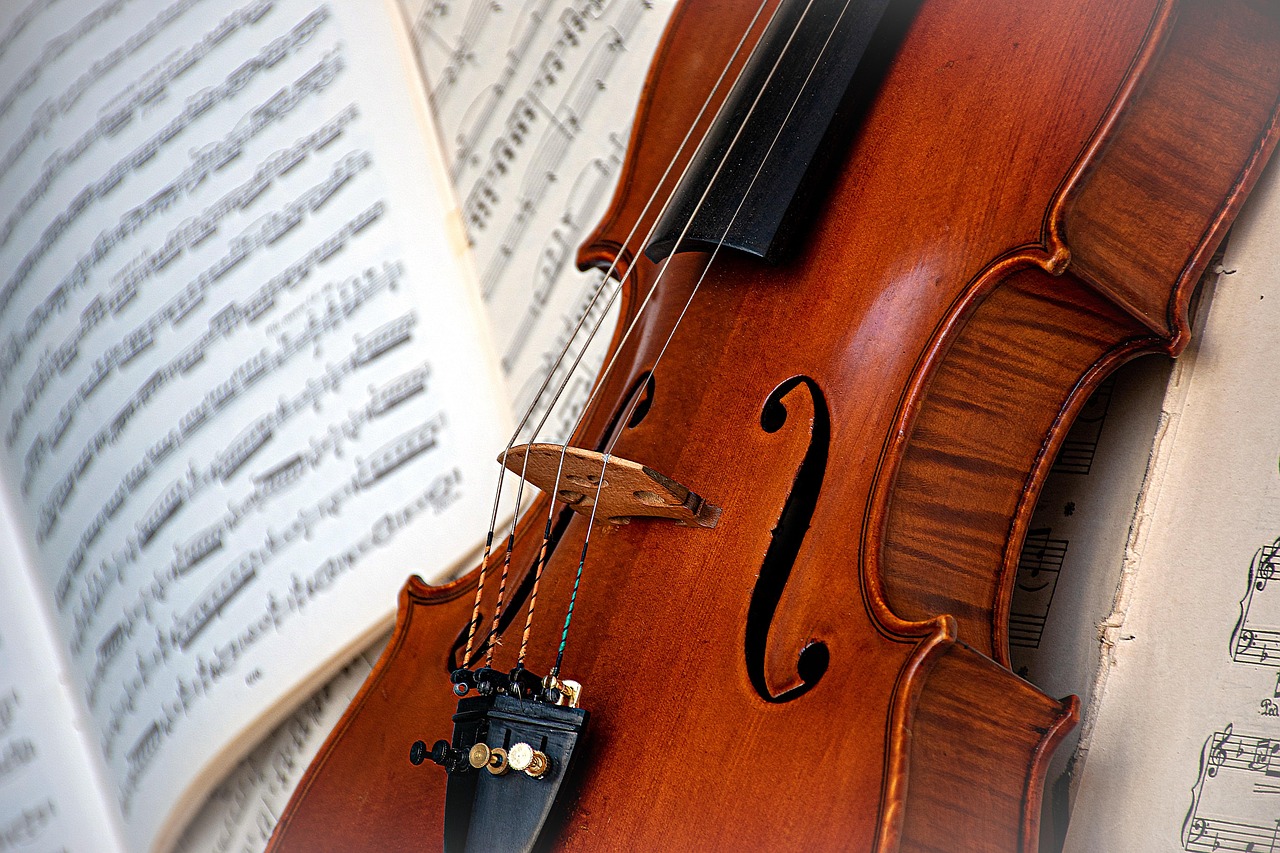
Fingering polyphonic passages becomes significantly more challenging when you are playing with double bass standard tuning across wide intervals.
Performance Practice in Baroque Repertoire
Understanding Stylistic Historical Context
Studying historical treatises helps musicians understand how baroque dance movements were originally performed centuries ago. Tempo and character guidelines vary significantly by individual dance type.
Allemandes, courantes, and sarabandes each possess unique rhythmic feels and structural accents. Applying these historical dance pulses prevents the performance from sounding overly rigid or mechanical.
Applying Historically Informed Ornamentation
Adding ornaments like trills, turns, and mordents enhances melodic interest during repeated sections. These graceful additions should always sound spontaneous and tasteful to the audience.
Bassists must carefully consider how ornamentation affects physical execution on a large string instrument. Over-embellishing can obscure the core harmonic progression and confuse listeners.
Managing Vibrato and Open String Resonance
Many modern performers use continuous vibrato, but historically informed baroque style often favors a more selective approach. Restrained or intermittent vibrato can highlight pure harmonic intervals, though practice varies among performers and ensembles.
Open strings provide rich resonance but can sound stark compared to stopped notes. Players use subtle dampening and controlled bow speed to blend open and stopped sounds seamlessly.
Historical execution on modern orchestral instruments is often enhanced by adopting alternative double bass fifths tuning for clearer string resonance.
Orchestral Benefits of Practicing Solo Bach
Building Independent Finger Dexterity
Practicing complex solo literature directly improves technical facility for standard orchestral playing. Fingers gain remarkable independence and strength across all fingerboard registers.
Complex passages in standard symphonic repertoire feel much more approachable after mastering intricate baroque counterpoint. This rigorous study helps reduce hesitation during difficult section passages.
Refining Tone Production in Ensemble Settings
Solo playing forces musicians to listen critically to their own sound production, timbre, and resonance. This heightened self-awareness translates directly to orchestral section playing.
A bassist who understands how to project a single voice clearly will blend better within a larger bass section without forcing tone or losing pitch center.
Deepening Harmonic Analysis Skills
Analyzing the underlying harmony of a bach double bass solo significantly improves overall score-reading capabilities. Bassists learn to recognize complex chord progressions and key changes instantly.
This analytical insight helps orchestral players anticipate shifts in the broader ensemble texture, resulting in much better collaborative listening and unified section phrasing.
Frequently Asked Questions
Can all Bach cello suites be played on the double bass?
While most cello suites can be adapted, certain movements present extreme physical hurdles due to impossible stretches or unfavorable keys. Suites in G major and D minor are popular choices because their open strings align well with standard tuning.
Performers frequently transpose movements or drop voices an octave to make the music sit comfortably under the hand. Careful selection ensures the artistic intent remains intact despite necessary adjustments.
Is solo Bach better practiced in standard or solo tuning?
Both tunings offer distinct advantages for playing baroque repertoire. Solo tuning, with strings traditionally raised a whole step to F♯–B–E–A, can provide extra brilliance and help the instrument project in higher solo registers.
Standard tuning allows bassists to read directly from standard cello or violin editions without mental transposition. The choice depends on personal preference, instrument setup, and performance context.
How should double bassists approach tempo in Bach movements?
Tempos are usefully guided by historical dance forms and acoustic clarity rather than sheer technical speed. A moderate tempo allows every individual voice to speak clearly in reverberant spaces.
Rushing complex counterpoint risks obscuring the underlying harmonic structure. Musicians should choose speeds that allow for expressive articulation, breathing phrases, and secure intonation throughout the entire performance.
How does mastering a Bach solo improve orchestral intonation?
Practicing unaccompanied Bach forces string players to hear intervals purely without the safety net of an ensemble or piano accompaniment. Because every pitch must resonate clearly against natural harmonic overtones, bassists develop sharper pitch discrimination. This heightened aural awareness carries directly into orchestral playing, where matching section intonation relies heavily on individual melodic tracking and micro-adjustments.
Furthermore, isolating independent voice-leading patterns clarifies how bass notes function within changing vertical harmonies. When musicians recognize these structural relationships instantly during demanding symphonic passages, they adjust their tuning dynamically to fit major and minor chords within the broader orchestral texture, resulting in cleaner ensemble resonance and unified section tuning.
How should players incorporate open strings into Bach fingerings?
Open strings offer deep resonance and effortless acoustic projection, which helps compensate for the double bass’s natural limitations in large spaces. However, because open strings lack direct left-hand vibrato and carry a distinct, persistent resonance, players must use them strategically. They work best as powerful pedal points or structural rhythmic anchors rather than expressive mid-melody notes.
Skillful arrangers place open strings where they align precisely with the fundamental key center, allowing the left hand to shift smoothly into upper positions for complex counterpoint. Balancing stopped notes with open strings maintains a consistent tonal color, preventing abrupt changes in timbre during fast scale runs or intricate arpeggios across the broad fingerboard.
How does analyzing Bach's counterpoint enhance score-reading skills?
Unaccompanied string literature essentially compresses multi-voice orchestral scores into a single melodic line. By breaking down these complex lines, bassists learn to trace horizontal voice-leading simultaneously. This active tracking directly improves real-time score-reading abilities during rehearsals, enabling players to anticipate harmonic shifts across different instrument sections before they occur.
Recognizing fugal entries and imitative counterpoint helps orchestral musicians understand how their specific bass line interacts dynamically with woodwinds and upper strings. Instead of reading notes passively, players visualize the entire harmonic architecture, leading to much more informed phrasing and unified collaborative listening within the complex symphonic ensemble during demanding performances.
What strategies prevent physical fatigue during extended solo movements?
The physical demand of sustaining effort across wide fingerboard stretches and long bow strokes can cause premature muscle fatigue. To combat tension, bassists must prioritize absolute left-hand relaxation between shifts and utilize efficient, lightweight bow strokes. Proper posture and using arm weight efficiently rather than muscular force support endurance.
Incorporating micro-breaks at natural cadence points allows the right arm to reset and maintain flexibility throughout the performance. Practicing movements in smaller sections rather than running them continuously builds stamina safely. Conditioning the body gradually prevents repetitive strain injuries while ensuring clean execution right through the final measures of a demanding suite.
How can listening to baroque violin and cello recordings aid interpretation?
Because double bass transcriptions frequently draw from repertoire originally composed for violins and cellos, studying period-instrument recordings provides vital stylistic guidance. Listening closely to renowned baroque specialists reveals how phrasing, breathing, and articulation breathe life into rigid dance rhythms. It helps bassists avoid romanticized performance habits common on modern instruments in large spaces.
Translating these upper-register concepts to the low strings requires careful adaptation of articulation speeds and bow weights. By internalizing the expressive nuances of baroque masterworks, bassists learn to shape their deep tones with greater flexibility, creating transparent, speech-like phrasing that honors historical performance traditions during orchestral projects and chamber music sessions.
Can Bach violin partitas be adapted for double bass section rehearsals?
Adapting movements from solo violin partitas for a low string ensemble provides an exceptional rehearsal tool for building section cohesion. Dividing multi-voice movements among multiple bassists allows sections to explore complex counterpoint collaboratively without placing the entire burden of solo execution on a single player during preparation.
This collaborative approach sharply refines ensemble listening, rhythmic precision, and unified articulation across the entire section. Working through these intricate textures together transforms standard ensemble warm-ups into valuable masterclasses in baroque style, ultimately elevating the group’s performance quality in mainstream orchestral repertoire and challenging symphonic literature.