Counting rhythms in four-four time forms the foundation of orchestral musicianship, allowing players to synchronize their parts with the ensemble. This meter, often called common time, divides each musical measure into four equal beat units, typically represented by quarter notes.
To master this skill, musicians use a standardized verbal counting system, assigning numbers to the primary beats and syllables like and to the subdivisions. Practicing these counts consistently helps eliminate hesitation and stabilizes timing during complex ensemble passages.
Whether studying a full orchestral score or rehearsing an individual string or woodwind part, accurate counting ensures reliable execution. Developing this rhythmic fluency supports better listening habits and deepens overall comprehension of symphonic repertoire.
Fundamentals of Common Meter
The Structure of Four-Four Time
Four-four time establishes a clear repetitive framework where each measure contains four beats. The top number in the time signature indicates the quantity of beats per measure.
The bottom number specifies that the quarter note receives one full beat. Recognizing this baseline structure helps musicians visualize how melodic lines fit within the broader metric grid.
Internalizing the Primary Beat Pulse
A steady internal pulse is essential for maintaining consistent tempo throughout an orchestral movement. Musicians often tap a foot or use a metronome to anchor their physical sense of timing.
This physical grounding translates directly into instrumental execution, ensuring that downbeats and weak beats receive appropriate weight without distorting the overall flow of the music.
Vocalizing Counts and Syllables
Spoken counting provides an audible check on rhythmic accuracy before applying notes to an instrument. Saying numbers clearly aloud engages auditory feedback loops that reinforce correct placement.
Standard numeric systems assign one, two, three, and four to the main beats. Adding intermediate syllables clarifies where notes fall between those primary structural anchor points.
When studying foundational music theory, learning the standard 4 4 time signature is essential for understanding basic rhythmic structures.
Subdividing Simple Meters in Rehearsal
Moving from Quarter Notes to Eighths
Eighth notes divide each primary beat of four-four time into two equal parts. Counting these subdivisions introduces the word and between each consecutive integer.
Practicing this level of division ensures that faster passages maintain even spacing. Uneven eighth notes often disrupt ensemble balance, making careful verbal subdivision a crucial rehearsal habit.
Managing Sixteenth Note Patterns
Sixteenth notes divide each quarter beat into four smaller segments, requiring faster counting syllables like e and a. Proper articulation of these syllables guides finger movements on instruments.
When encountering dense sixteenth note runs, musicians should slow the tempo significantly. Gradual speed increases allow fingers and bow arms to adapt without sacrificing rhythmic precision.
Dealing with Rests and Empty Beats
Rests require the same mental counting discipline as sounding notes. Skipping the count during a silent duration almost invariably leads to premature or delayed orchestral entrances.
Musicians should mouth or mentally articulate rests with identical focus to active notes. This continuous internal tracking preserves the underlying pulse through complex transitional phrases.
Directors often review most common time signatures during warm-ups to ensure every ensemble member maintains a steady pulse.
Navigating Syncopation and Off-Beat Entrances
Recognizing Anticipated Rhythms
Syncopation shifts metric emphasis away from strong beats toward weaker subdivisions. Recognizing these unexpected accents prevents players from defaulting to standard downbeat expectations.
Counting the underlying eighth or sixteenth subdivisions makes syncopated figures much easier to place. By anchoring every note to a precise sub-beat, musicians avoid rushing or dragging.
Tying Notes Across Bar Lines
Tied notes obscure standard metric boundaries by sustaining sound across beats or measures. Maintaining an accurate mental count through the tie prevents premature cutoff or re-articulation.
Players must continue counting silently through the duration of the tied value. This discipline ensures that subsequent notes enter precisely on their intended numerical subdivisions.
Maintaining Tempo During Complex Figures
Complex rhythmic combinations often tempt performers to alter their pacing unconsciously. Sticking strictly to the subdivided beat guards against tempo fluctuations during tricky measures.
Ensembles rely on shared rhythmic stability, especially when woodwind and string sections trade intricate figures. Consistent internal counting keeps all players aligned under the conductor.
Applying Rhythmic Counts to Orchestral Scores
Reading Multi-Measure Rests Accurately
Multi-measure rests demand meticulous tracking of passing bars during lengthy symphonic movements. Counting every single measure prevents missed cues and embarrassing performance errors.
Orchestral musicians often write small tally marks or use strategic score cues to verify their location. Combining visual score study with steady internal counting guarantees reliable re-entries.
Coordinating Rhythms Across Sectional Textures
Symphonic scores feature varied rhythms sounding simultaneously across different instrumental sections. Understanding how your part fits against neighboring lines requires comprehensive score reading.
Listening across the orchestra while maintaining your own internal count helps balance section weights. Recognizing where counter-rhythms intersect clarifies the composer’s structural design.
Following Conductor Gestures and Cues
Conductor movements provide visual confirmation of the prevailing tempo and major beat points. Aligning your internal count with these visual gestures ensures unified ensemble response.
Conductors may occasionally introduce subtle tempo modifications or expressive rubato. Flexible counting habits allow players to respond to these interpretive cues without losing track of the meter.
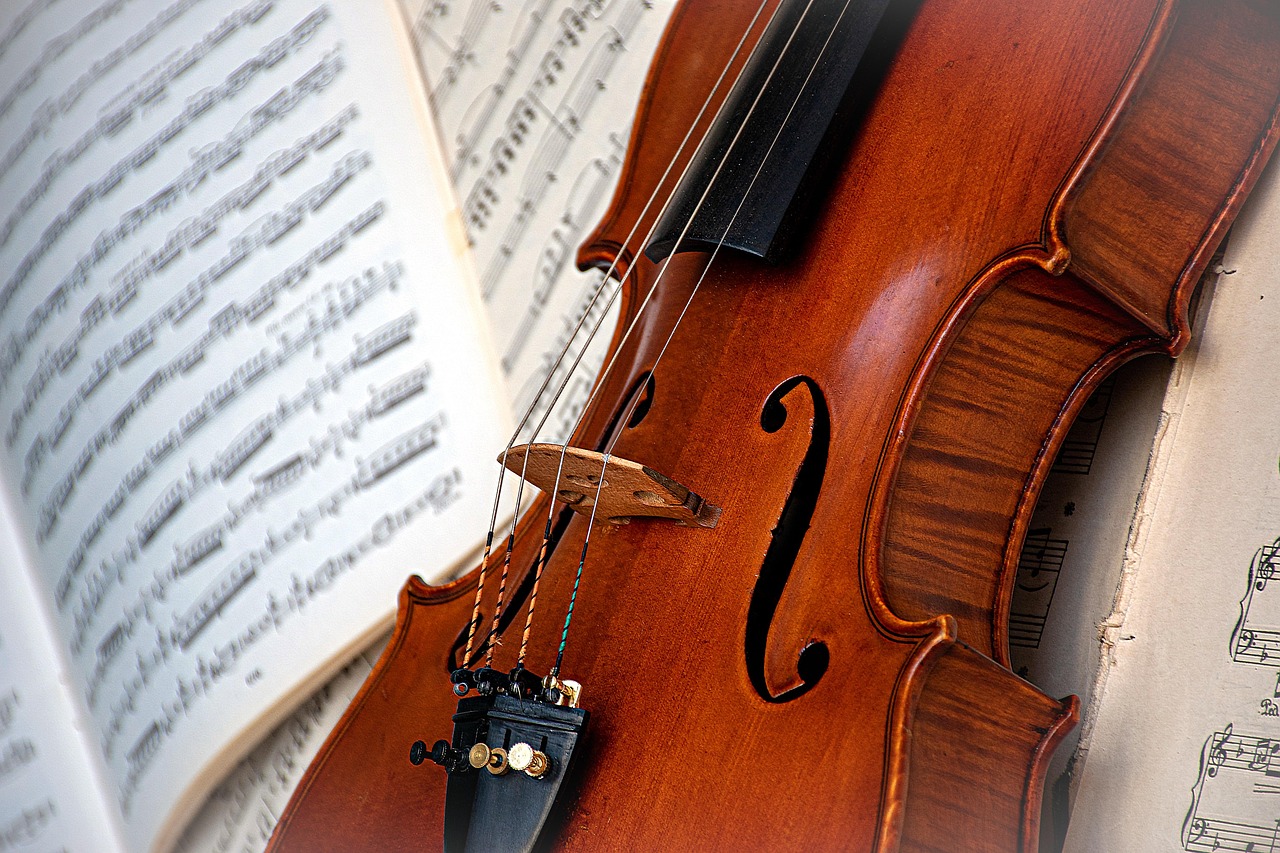
Practicing a complex orchestral measure becomes much easier when you examine a clear 4 4 time signature example alongside your sheet music.
Frequently Asked Questions
How do I count complex sixteenth note variations without losing the main beat?
To manage complex sixteenth note patterns, maintain a steady stream of subdivisions using standard syllables like one e and a. Keep your internal focus fixed on the primary numbers so the main beat remains anchored.
Practicing with a metronome clicking only on beats two and four can also expose weak spots in your internal pulse, helping you secure those rapid notes without rushing.
What is the best method for practicing difficult orchestral passages slowly?
Start by setting your metronome to a very slow tempo where every sixteenth subdivision is clearly audible. Speak the rhythm aloud using proper counting syllables before touching your instrument.
Once the slow count feels completely secure, gradually increase the metronome speed in small increments. Never raise the tempo until the current speed can be played without any hesitation.
How should I handle irregular accents that fall on weak beats?
Irregular accents require you to override your natural tendency to emphasize downbeats. Accentuate the target sub-beat while keeping the surrounding counts entirely even and steady in volume.
Isolating the specific measure containing the accent and practicing it repeatedly will train your muscles and mind to accept the shifted weight without disrupting the broader metric flow.
How do string players maintain steady counts during long sustained bow strokes in four-four time?
Sustained notes often tempt string players to relax their internal pulse, leading to unintentional dragging across full measures of four-four time. To prevent this metric drift, continue silently vocalizing every quarter and eighth subdivision throughout the entire physical duration of the bow stroke. Mentally mapping these sub-beats ensures the right arm distributes bow speed evenly from frog to tip without hesitation.
Additionally, practicing strict bow distribution exercises while speaking counts aloud helps coordinate physical instrument motion with precise metric timing. This disciplined mental habit keeps section intonation stable and guarantees that long notes resolve cleanly on their intended beat boundary without rushing the next entrance.
How can woodwind players coordinate complex cross-rhythms against a steady four-four orchestral framework?
Woodwind parts frequently feature triplets or syncopated groupings that run counter to the primary four-four meter of the orchestra. To manage these figures successfully, find the shared pulse, usually the sixteenth-note subdivision, to anchor both lines mentally. Subdivide silently in your head while playing the contrasting grouping above it.
Isolating the woodwind line away from the full ensemble allows your fingers to adapt to the asymmetrical fingerings without rhythmic distortion. Once secure, practice layering the part back into a recording or full score context.
What is the best way to count through sudden tempo transitions or fermatas in a symphonic score?
Sudden tempo changes require musicians to shift their internal pulse immediately while maintaining connection with the conductor’s baton. When approaching a fermata, continue subdividing the established beat silently, letting the sustained duration stretch your internal count rather than abandoning it entirely. Watch the conductor’s preparatory gesture for the new tempo.
Marking structural cue notes directly in your sheet music provides helpful visual reference points during these transitional moments. Anticipating the upcoming tempo change mentally prevents delayed re-entries and keeps the entire section unified.
How should string sections approach counting dotted rhythms and double-dotted patterns accurately?
Dotted rhythms in four-four time often suffer from sloppy execution, where musicians shorten the long note and rush the following short note. To fix this, divide the primary beat into four sixteenth-note units so the dotted eighth receives three full subdivisions and the short sixteenth receives one. Vocalize the numbers and syllables strictly.
Practicing these figures with a metronome running sixteenth notes exposes any tendency to distort the mathematical proportions. Maintaining this strict subdivision discipline ensures crisp, uniform articulation across the entire string section.
How do orchestral musicians track entrances that occur on fractional parts of a sixteenth-note subdivision?
Entrances on extremely fast or fractional subdivisions demand absolute mastery of internal counting grids within four-four time. Orchestral musicians must mentally divide every quarter beat into its finest active component using standard counting syllables like e and a. Anticipating the exact micro-beat just before the sounding pitch prevents late physical attacks on your instrument.
Practicing these delicate entries at significantly reduced tempos builds the reliable neuromuscular memory required for accurate stage performance. Listening closely to neighboring instrumental voices provides essential acoustic confirmation during intricate, fast-moving symphonic passages, ensuring you blend seamlessly into the broader ensemble texture.
How can amateur musicians improve their ability to count silently while listening to other sections during a rehearsal?
Silent counting while surrounding sections play requires strong mental focus and active listening habits. Instead of tuning out during your own rests or accompaniment figures, track the ongoing four-four meter by following the harmonic movement of the surrounding instruments. Match your internal pulse to the prevailing ensemble tempo.
Following along in a vocal or reduced score during multi-measure rests helps anchor your internal count visually. This combined auditory and visual engagement prevents counting lapses and deepens your overall comprehension of the symphonic work.