Thomas Kennedy was an esteemed eighteenth- and nineteenth-century English luthier renowned for crafting fine double basses, cellos, and violins in London. His instruments represent a cornerstone of British lutherie history and remain objects of significant interest among orchestral professionals.
Orchestral string players and instrument historians highly value the Thomas Kennedy double bass for its distinctive tonal warmth, robust projection, and historical craftsmanship. These qualities make surviving examples prized assets for symphonic performance and historical study alike.
This independent educational guide examines the historical construction hallmarks, acoustic properties, and preservation considerations associated with authentic double basses by this prominent English maker, providing practical insights for orchestral musicians and serious listeners.
Historical Context and English Luthier Tradition
The London Workshop Environment
Thomas Kennedy operated within a vibrant London instrument-making community during a period of significant musical expansion throughout the late eighteenth and early nineteenth centuries. British workshops faced rising commercial demand for orchestral string instruments as public concert life and large symphonic societies flourished across the growing capital city.
Craftsmen in this era carefully balanced traditional guild apprenticeship methods with innovative approaches to acoustic design and interior plate graduation. Kennedy workshops reliably produced sturdy, resonant instruments tailored precisely to the evolving technical and dynamic needs of professional theater pits and major symphonic ensembles.
The Kennedy Family Dynasty
The Kennedy family lineage represents a major pillar of English instrument making across multiple generations of dedicated artisans. John Kennedy and his prolific son Thomas established busy London workshops that produced an extraordinary output of stringed instruments, maintaining remarkably high standards despite shifting economic climates and material shortages during wartime.
Apprentices and family members within the lineage learned rigorous woodworking techniques that ensured structural longevity across decades of heavy orchestral use. This vital generational continuity helped standardize specific internal bracing patterns and distinct exterior styling cues readily identifiable in surviving double basses today.
Evolution of the English Double Bass
English double basses developed distinct architectural characteristics compared to their continental European counterparts during the same historical epochs. Makers often prioritized manageable body dimensions and robust top plates to withstand rigorous travel and demanding orchestral environments found in British theaters.
Thomas Kennedy expertly adapted traditional Italian and English model outlines to suit British players who frequently navigated congested pit spaces and challenging seasonal weather conditions. These thoughtful design choices resulted in instruments offering exceptional physical manageability alongside rich, focused sonic properties.
English makers were often influenced by European traditions established before the legendary gasparo da salo double bass era.
Identifying Characteristics of Thomas Kennedy Double Basses
Scroll Carvings and Head Design
The carved scroll is frequently considered a primary fingerprint for attributing historic stringed instruments specifically to Thomas Kennedy. His busy London workshop produced distinctive carved heads featuring bold proportions, deep chamfers, and confident gouge marks that reflect highly efficient commercial craftsmanship of the period.
Instrument examiners and luthiers look closely at the internal pegbox layout, eye formation, and volute depth when assessing potential authenticity. These specific sculptural details consistently distinguish authentic Kennedy double basses from contemporary British copies or later nineteenth-century workshop imitations.
Wood Selection and Purfling Details
Thomas Kennedy utilized diverse wood materials for his instruments, frequently selecting native English sycamore, poplar, or figured imported maple for the backs and ribs. The belly plates typically feature straight, medium-grained European spruce carefully chosen for optimal structural strength and efficient vibrational transfer.
Purfling execution on these basses displays characteristic hand-cut channeling and slightly rustic edge work. Observing how the dark purfling strips miter precisely at the corners provides valuable clues regarding workshop construction methods and individual maker habits.
Internal Bracing and Graduation
The interior architecture of a Thomas Kennedy double bass reveals practical engineering primarily designed for long-term orchestral durability and resistance to climate shifts. Plate thicknesses often vary significantly across the back and belly, showing less uniform mechanical graduation than typically found in elite continental Italian masterworks.
Original bass bar integration and interior lining configurations reflect standard English trade practices of the era. Understanding these internal structural elements helps modern conservators stabilize vintage instruments safely without compromising their original acoustic character and historical integrity.
Acoustic Profile and Orchestral Performance Traits
Fundamental Resonance and Low-End Focus
Orchestral musicians frequently praise authentic Thomas Kennedy double basses for their direct, remarkably focused low-end response during active symphonic performance. The fundamental frequencies project clearly across large concert halls, cutting through heavy orchestral textures without excessive muddiness in dense, complex musical passages.
This advantageous acoustic behavior stems directly from the combination of plate stiffness, wood density, and specific arching profile. Players consistently find that these fine historic instruments anchor the orchestral double bass section with a distinct, warm, and satisfying woody resonance.
Bow Responsiveness in Ensemble Settings
The physical playing experience of a Kennedy bass involves immediate bite and clear articulation right under the horsehair bow during fast passages. String resistance feels comfortably manageable, allowing orchestral performers to execute intricate dotted rhythms and rapid spiccato bowing strokes with reliable precision.
This tactile responsiveness aids musicians greatly in maintaining tight ensemble cohesion across varied classical repertoires in the orchestra. The instrument reacts predictably to various bow weights, contact pressures, and hair tensions without ever feeling overly stiff, sluggish, or unresponsive.
Projection in Classical and Romantic Repertoire
While originally built for earlier classical musical demands, these historic English instruments handle expansive Romantic orchestral repertoire admirably well in modern settings. Their focused tonal core projects past heavy brass sections when properly set up with appropriate modern steel or historical string types.
Orchestral players often note that the instrument blooms naturally in medium-sized acoustic concert halls. This reliable projection capability ensures the foundational bass line remains articulate and clear even when playing beneath lush, sweeping symphonic string melodies performed by the ensemble.
Musicians frequently explore a demanding concerto for double bass to test the projection and tonal depth of vintage instruments.
Conservation, Care, and Restoration Considerations
Climate Control for Historic Woods
Valuable antique double basses require rigorous humidity and temperature management to prevent destructive wood cracking over time. English instruments, originally constructed in moderate maritime climates, are particularly sensitive to extreme dry indoor heating during harsh winter months in heated modern buildings.
Orchestral musicians must utilize reliable case humidifiers and monitor storage environments closely to protect the fragile aged wood. Maintaining stable relative humidity levels prevents catastrophic seam separations, side rib cracks, and expensive top plate fractures during seasonal shifts in rehearsal venues.
Managing Structural Stress and Cracks
Centuries of continuous high string tension place immense mechanical pressure on double bass top and back plates. Professional luthiers must periodically inspect internal cleats, linings, and bass bar stability to ensure safe playing conditions for the orchestral musician during rehearsals.
Addressing minor structural issues promptly avoids major, invasive restoration projects later in the instrument’s active operational life span. Proper bridge fitting and careful soundpost adjustment also relieve unnecessary mechanical stress on fragile aged timber components.
Ethical Restoration and Authenticity
Restoring a valuable Thomas Kennedy double bass requires careful balancing of historical preservation with structural playability in demanding professional settings. Aggressive modern interventions can permanently diminish both the artistic integrity and historical market value of the rare instrument.
Consulting recognized expert luthiers ensures that any required structural repairs strictly respect traditional lutherie practices of the period. Maintaining historical continuity allows these rare English basses to continue serving modern symphony orchestras faithfully while preserving their unique cultural legacy.
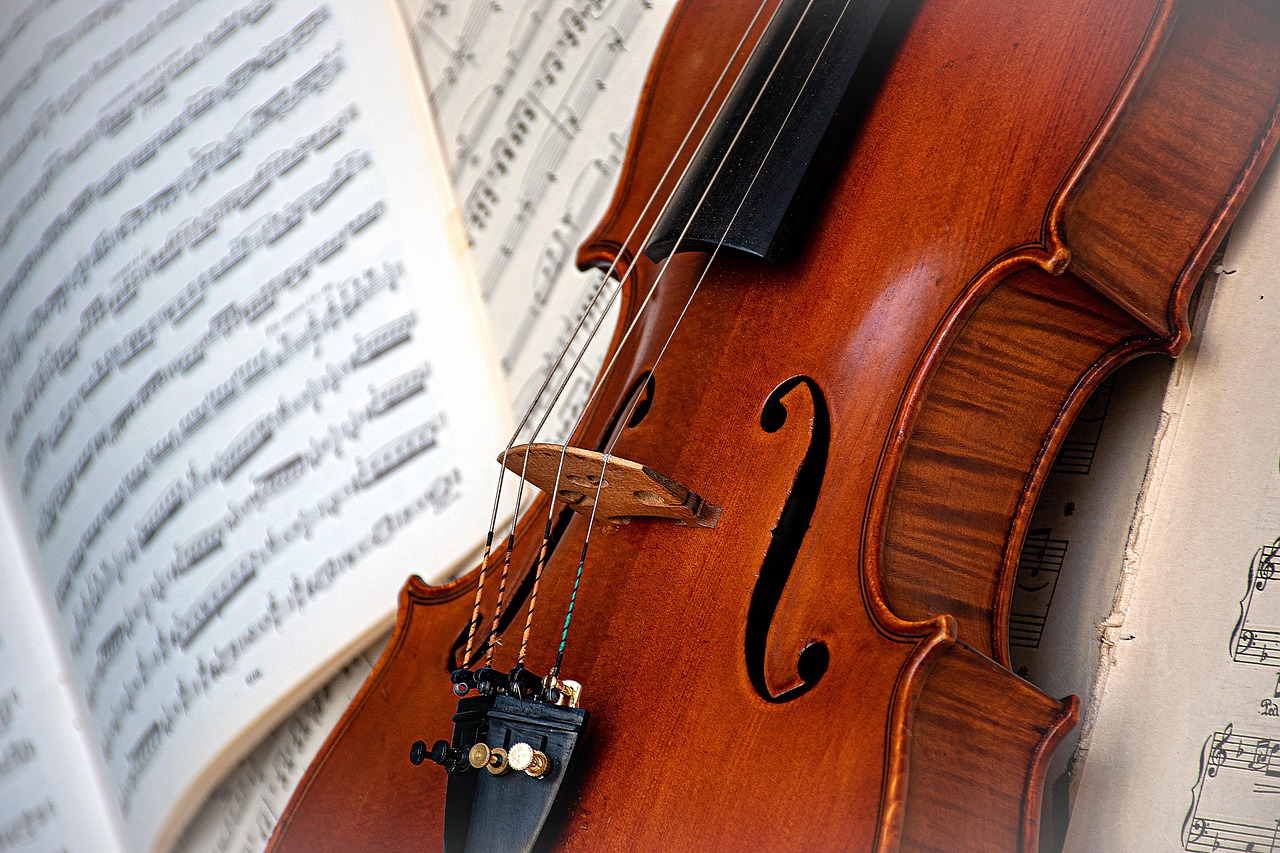
Maintaining historical instruments often requires ensuring a proper double bass bridge setup to preserve structural integrity.
Frequently Asked Questions
How can musicians verify a true Thomas Kennedy double bass?
Verifying a genuine Thomas Kennedy double bass requires professional appraisal by recognized experts specializing in historic English lutherie. Examiners carefully analyze specific scroll carving characteristics, purfling details, interior construction methods, and any available workshop labels found inside.
Because many English basses lack original paper labels or feature fraudulent attribution tags, visual inspection must be paired with thorough historical provenance research. Consulting multiple established specialists offers the most reliable verification approach available to orchestral musicians today.
What orchestral eras suit the tonal qualities of these instruments?
Thomas Kennedy double basses traditionally excel in classical, early romantic, and standard symphonic orchestral repertoire. Their focused acoustic projection and clear fundamental frequencies support demanding works by major classical composers within standard orchestral literature very effectively during live concert performances across major halls.
Double bass players performing extreme contemporary avant-garde music often select specialized modern instruments instead, preserving antique English basses for traditional orchestral settings where warm, woody resonance remains paramount to achieving a blended string section sound quality in professional environments.
How do repairs impact the historical value of antique double basses?
Extensive structural repairs can significantly influence the market valuation and historical integrity of a Thomas Kennedy double bass. While necessary structural fixes maintain daily orchestral playability, poorly executed or invasive restorations can severely detract from serious collector interest across the international market.
Documenting all professional lutherie work preserves transparency regarding the instrument’s complex history. Professional restorations executed with traditional reversible animal glues protect both the structural stability and the long-term monetary value of the antique stringed instrument.
What string types are best suited for a historic Thomas Kennedy double bass?
Selecting appropriate strings for an antique Thomas Kennedy double bass requires balancing modern orchestral volume requirements with the structural limits of historic timber. Traditional gut strings offer authentic historical resistance and warmth, but modern synthetic-core or flexible steel-core strings are frequently chosen by symphonic players to maximize projection and tuning stability under heavy performance schedules.
Orchestral musicians should consult an experienced luthier before installing high-tension modern steel strings, as excessive pull can warp aging top plates or strain vintage neck blocks. Choosing medium- or low-tension orchestral string options ensures the instrument retains its characteristic woody resonance while protecting delicate historical construction elements from premature structural fatigue during intensive rehearsal cycles.
How should orchestral musicians safely transport an antique English double bass during touring?
Transporting a valuable Thomas Kennedy double bass on tour demands a heavy-duty, well-fitted flight case offering robust thermal and physical protection. Sudden luggage compartment temperature swings and baggage handling impacts pose severe risks to vulnerable historic wood joints, making padded, insulated hard cases an essential investment for traveling orchestral performers.
Players should also loosen string tension slightly during long-distance air travel to mitigate pressure changes, provided the soundpost remains securely in place. Securing climate-controlled transport and carrying a portable hygrometer inside the case helps protect the instrument from abrupt humidity shocks upon arrival in unfamiliar performance venues and concert halls.