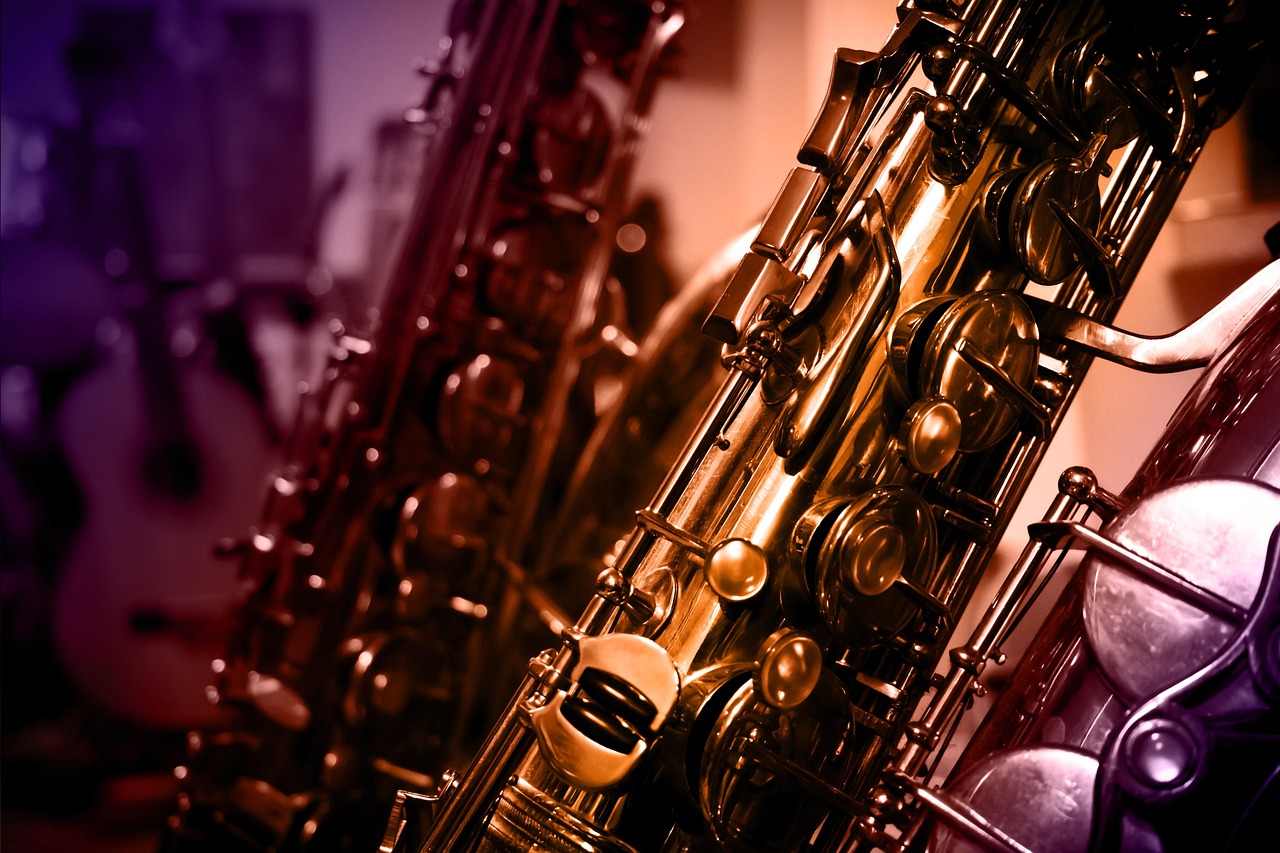
The orchestral brass section comprises the French horn, trombone, tuba, and historically associated instruments that project power, warmth, and harmonic depth across the ensemble. Positioned typically at the rear of the orchestra, these instruments rely on embouchure control and air column vibration through metal tubing to produce resonant sounds. For amateur musicians and dedicated listeners alike, understanding this family deepens appreciation for how composers build structural climaxes and rich harmonic textures in symphonic literature.
Acoustically, brass instruments function as variable-length tubes where players alter pitches through valve mechanisms, slide positions, and lip tension rather than changing string lengths or finger holes. This design yields a distinct overtone series that can blend seamlessly with woodwinds or pierce through a full string section with brilliant clarity. Recognizing these physical properties helps listeners trace melodic lines and allows ensemble players to adjust intonation and articulation relative to the surrounding orchestral sections.
Engaging with the brass section within independent educational resources involves exploring score reading, sectional balance, and rehearsal dynamics without relying on specialized professional trumpet methodologies. Whether analyzing a Beethoven symphony or preparing for a community orchestra rehearsal, understanding transposition rules, seating arrangements, and listening strategies ensures informed participation. This guide provides practical frameworks for amateur players and concertgoers to navigate the technical and artistic demands of orchestral brass playing.
Instrumentation and Acoustical Foundations
Horns as the Harmonic Bridge
The French horn occupies a unique dual role in the orchestral texture, bridging the woodwind and brass families through its warm, mellow timbre. In standard orchestration, horns frequently supply sustaining middle harmonies that bind the brighter brass elements to the foundational string choir.
Players utilize hand-stopping and subtle embouchure adjustments to temper their projection, allowing the instruments to blend effectively with clarinets and bassoons. Amateurs must carefully balance their tone production to support overall ensemble cohesion without overpowering adjacent instrumentalists.
Trombones and Choir Balance
Tenor and bass trombones form a cohesive choir capable of executing solemn chorales, fierce rhythmic accents, and sweeping countermelodies. Because they lack valves in the traditional sense, standard trombones use a telescoping slide to navigate continuous pitch intervals with precise intonation.
In orchestral contexts, this section provides robust harmonic weight that reinforces the lower strings and woodwinds during major dynamic peaks. Listeners often hear trombones anchoring dramatic shifts in mood, requiring players to maintain exceptional breath support and unified articulation across the section.
Tubas and Low-Frequency Anchors
The tuba serves as the foundational bass anchor for the entire brass family, providing a deep sonic base that supports the upper brass and full orchestra. Modern orchestral writing demands both agile rhythmic articulation and sustained, resonant pedal tones to ground complex harmonic progressions.
Because low frequencies travel widely in performance venues, tuba players must monitor their volume carefully to avoid muddying the overall ensemble texture. Amateur musicians listening from the audience or playing nearby benefit from recognizing how this instrument underpins orchestral architecture.
When examining the placement and tonal color of the french horn in orchestra scores, players must balance projection with warm blending.
Score Reading and Transposition Mechanics
Navigating Transposing Instruments
Many orchestral brass parts are written as transposing instruments, meaning the written pitch differs from the sounding concert pitch. Horns and trumpets historically utilized crooks to change fundamental keys, a practice that evolved into fixed transpositions in standard orchestral scores.
Score readers must calculate these transpositions mentally to understand the exact harmonic intervals sounding within the ensemble. Familiarity with standard transposition keys prevents confusion during score study and aids amateur musicians in following complex symphonic structures.
Reading Bass Clef and Tenor Clef
While tubas and bass trombones read primarily in bass clef, tenor trombones frequently utilize tenor clef to avoid excessive ledger lines during higher passages. Understanding these clefs is essential for accurate score reading and sectional analysis among amateur orchestral participants.
Practicing clef reading outside of active instrumental performance strengthens overall musical literacy and enhances collaborative rehearsal discussions. Musicians who master these reading conventions can better anticipate voice-leading pathways across the entire brass choir.
Interpreting Dynamic Markings in Scores
Dynamic indicators in brass parts often demand careful contextual interpretation due to the instruments’ vast range of volume and projection capabilities. A fortissimo marking for horns requires a different physical approach than the same marking applied to percussion or strings.
Composers rely on brass sections for sudden dramatic accents, necessitating controlled releases and transparent voicing beneath active woodwind or string melodies. Recognizing these relational dynamics helps listeners appreciate subtle gradations of volume within symphonic movements.
Rehearsal Etiquette and Ensemble Integration
Tuning Protocols with Woodwinds and Strings
Brass instruments respond dynamically to ambient room temperature and playing fatigue, causing intonation to fluctuate during extended rehearsal blocks. Establishing a consistent tuning routine with the principal oboe or concertmaster is essential for maintaining collective pitch accuracy.
Players must actively listen across sections to adjust pitch tendencies inherent to specific valve combinations or slide positions. Cultivating flexible intonation habits ensures the brass section remains locked in tune with the surrounding woodwinds and strings.
Managing Decibel Levels in Rehearsal Spaces
The inherent acoustic power of the brass section requires mindful decibel management, particularly in smaller rehearsal halls or enclosed educational spaces. Players should practice dynamic restraint during initial run-throughs to protect ensemble members from auditory fatigue.
Conducting staff and section leaders must coordinate placement and physical orientation to diffuse direct sound paths away from vulnerable neighboring musicians. Implementing these safety protocols supports a healthier, more productive rehearsal environment for all orchestral participants.
Phrasing Alongside Percussion and Timpani
Rhythmic synchronization between brass, percussion, and timpani anchors the temporal framework of large orchestral tutti passages. Because sound takes time to travel across large stages, players must anticipate tactile cues from the conductor.
Aligning articulation points with the timpani mallet strike ensures crisp, unified attacks that drive rhythmic momentum forward. Amateur listeners can analyze these coordinated entries to evaluate the tightness and precision of a community orchestra.
Before playing begins, the brass section must listen carefully while the primary instrument orchestra tunes to standard concert pitch.
Orchestral Listening and Timbral Analysis
Identifying Blend Versus Projection
Orchestral listening involves distinguishing moments where the brass section merges into a unified orchestral color versus instances where it projects soloistic authority. Composers like Brahms and Tchaikovsky utilize these contrasting textures to shape narrative arcs within symphonic movements.
Developing an ear for timbral blend allows listeners to track inner harmonic voices rather than merely focusing on prominent melody lines. Amateur musicians benefit from analyzing these textural shifts to improve their own balance and listening habits within the ensemble.
Discerning Muted Timbres in Romantic Literature
The use of straight, cup, and stop mutes alters the overtone profile of brass instruments, creating metallic, distant, or nasal colorations. Romantic and twentieth-century orchestral scores frequently employ these devices to evoke mysterious or aggressive emotional states.
Identifying muted passages sharpens analytical listening skills and reveals subtle orchestration techniques employed by master composers. Concertgoers who recognize these specific timbres gain deeper insight into the expressive palette of the modern orchestra.
Tracking Motivic Lines Through Thick Textures
Symphonic works often conceal important thematic fragments within middle-voice brass harmonies rather than assigning them to the violins or flutes. Following these moving lines requires active listening and an awareness of counterpoint in dense orchestral arrangements.
Score study combined with targeted listening helps amateur musicians isolate these inner voices during complex developmental sections. This practice transforms passive concert attendance into an active, analytical engagement with the symphonic repertoire.
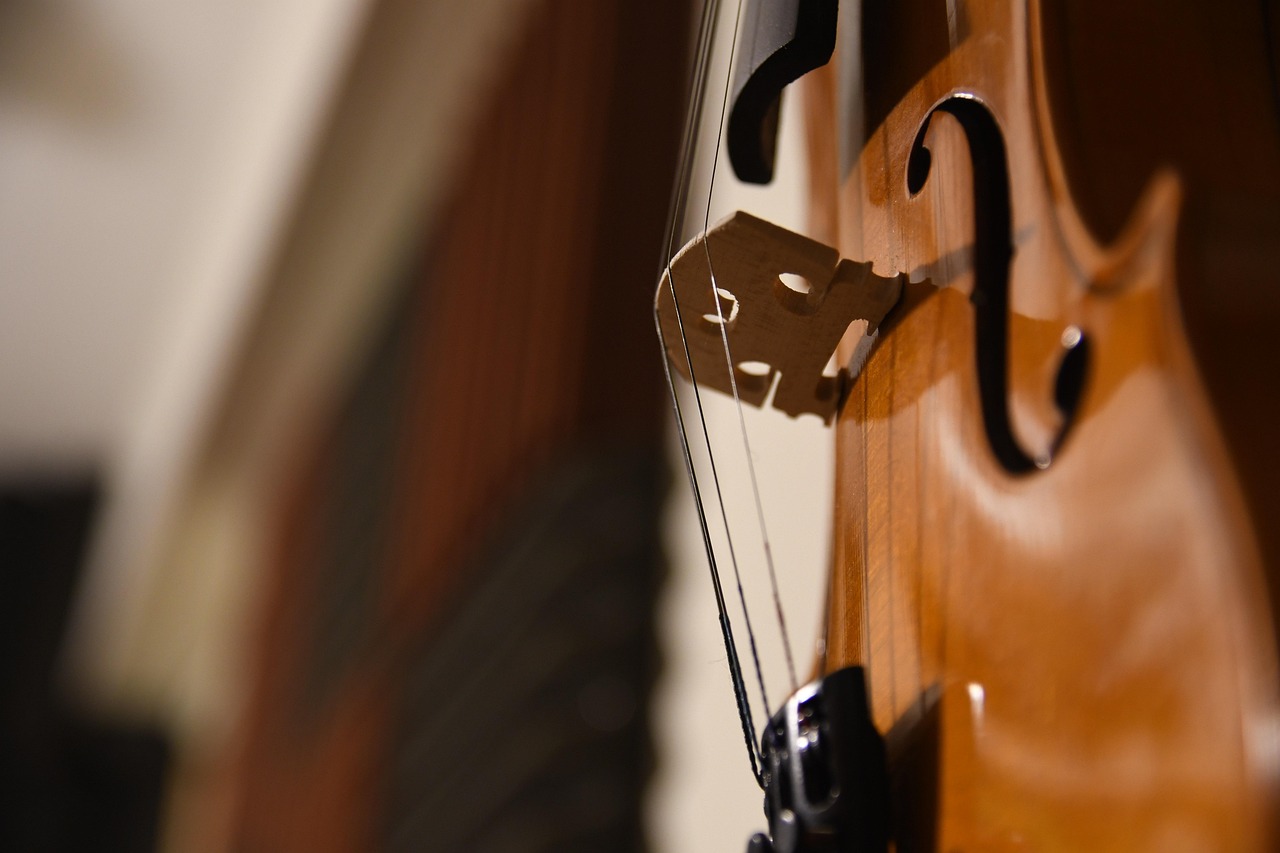
Conductors often isolate a high pitched brass instrument during balance checks to ensure upper harmonic clarity remains consistent.
Frequently Asked Questions
How do amateur brass players manage physical fatigue during long rehearsals?
Brass playing relies heavily on small facial muscles supporting high internal air pressure against the mouthpiece rim. Managing fatigue requires taking deliberate rests during tacet movements, avoiding excessive pressure, and maintaining steady breathing.
Rehearsal coordinators also schedule regular breaks to protect player endurance. Amateur musicians should monitor their physical limits and cease playing if acute muscle strain develops to prevent long-term injury.
Why do horn parts frequently utilize different transpositions in older scores?
Historical horn parts were written in specific keys because natural horns lacked valves and relied on physical crooks to change fundamental pitches. Composers assigned parts in G, D, or E-flat to match the key center of a movement.
Modern orchestral editions often retain these traditional transpositions as a nod to historical performance practice and score reading conventions. Players and analysts must study historical notation rules to interpret these legacy parts accurately.
What is the primary role of the low brass section in standard classical repertoire?
The low brass section, consisting of bass trombones and tubas, provides foundational harmonic support and rhythmic drive beneath the orchestral texture. They reinforce cellos and double basses during climactic tuttis and establish chord roots.
In addition to harmonic backing, low brass instruments occasionally deliver resonant solo passages or ominous countermelodies. Their technical precision dictates the stability and warmth of the entire orchestral foundation.
How does the physical seating arrangement of the brass section affect orchestral balance?
Orchestral seating traditionally places the brass section at the rear of the stage against a reflective back wall, which naturally amplifies and diffuses their sound across the hall. Because brass instruments project directionally forward through the bell, this rear placement allows their harmonic weight to blend into the entire ensemble before reaching the audience. However, if players face too directly outward, their sound can overwhelm front-desk string players sitting nearby.
To mitigate acoustic imbalances, many community orchestras experiment with staggered or rotated chair placements, pointing bells slightly toward the center or upward. Amateur musicians benefit from listening closely to the reflected sound off side walls rather than just focusing on immediate neighbors. Understanding these physical positioning dynamics helps players adjust their volume dynamically and ensures a cohesive blend with woodwinds and strings situated further downstage.
How can concertgoers identify different types of brass mutes during a symphonic performance?
Identifying brass mutes requires listening for changes in timbral brightness, overtone profile, and projection distance. A straight mute produces a bright, metallic, and somewhat aggressive edge that cuts sharply through thick textures, frequently used in late Romantic and twentieth-century scores. Conversely, cup mutes soften high frequencies, yielding a warmer, more distant, and slightly muffled tone quality that blends smoothly with muted string sections or softer woodwind passages.
Listeners can train their ears by focusing on how these devices alter the fundamental acoustic signature of horns or trombones during exposed solo lines. When composers call for stopped horn techniques or specialized harmon mutes, the sound takes on a distinct buzzy or whispered characteristic. Recognizing these specific timbral shifts allows amateur listeners to appreciate subtle orchestrational colors and textural contrasts within complex orchestral masterworks.