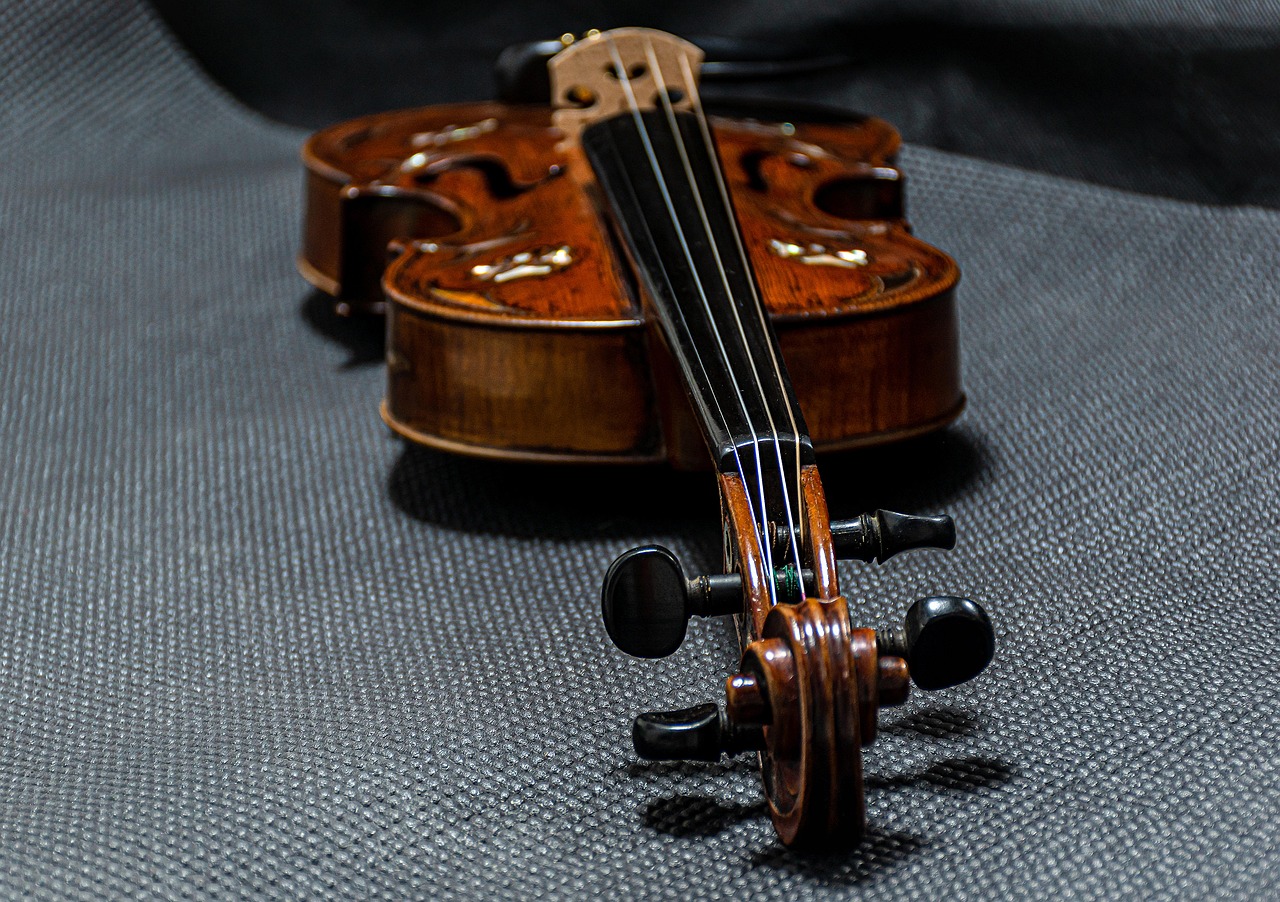
Fine tuning pegs for violins are essential mechanical components designed to adjust string tension with high precision and stability. Proper peg fitting and friction control allow orchestral string players to achieve exact pitch without relying entirely on tailpiece fine tuners.
Understanding how these tapered wooden shafts interact with the pegbox walls helps musicians maintain reliable tuning stability during rigorous ensemble rehearsals and performances.
Core Mechanics of Fine Tuning Pegs for Violins
The Tapered Shaft Principle
Violin tuning pegs rely on a precise conical taper, typically adhering to a 1:30 or 1:25 ratio. This specific geometry ensures that the peg wedges securely into the matching holes of the pegbox walls when pushed inward while turning.
If the taper of the peg does not match the reamer used on the pegbox during initial carving, contact points become uneven. This geometrical mismatch causes frustrating slipping or sticking, making fine adjustments difficult during orchestral tuning sessions.
Rotational Torque and Friction Dynamics
Achieving smooth rotation requires a delicate balance of mechanical friction. Too much friction locks the peg rigidly in place, while too little causes it to slip instantly under the immense tension exerted by the instrument strings.
Players apply slight axial pressure inward while turning the peg to engage the wood fibers. This manual seating technique temporarily increases friction, preventing sudden slippage when pitching the violin upward toward a concert reference frequency.
Alignment Within the Pegbox
Each peg must pass cleanly through the cheek walls of the pegbox without touching adjacent strings. Proper structural spacing prevents unwanted buzzing, friction, and premature wear during daily practice routines and demanding orchestral rehearsals.
The hole placement and shaft angle dictate how neatly the string winds around the wooden peg barrel. A clean, orderly wind prevents the string from binding against the internal walls or overlapping improperly during pitch adjustments.
Historical Evolution of Peg Mechanics
Early stringed instruments utilized simple wooden pins to secure strings before standardized tapers were developed. Over centuries, luthier guild standards established the conical proportions used on modern violins today.
These refinements transformed tuning from an unpredictable chore into a dependable mechanical process, allowing classical musicians to maintain precise intonation across varying repertoires and performance environments reliably.
For closely related guidance, see geared tuning pegs for violin.
Wood Selection and Friction Physics in Peg Design
Traditional Hardwoods Used for Pegs
Violin pegs are crafted from dense, dimensionally stable hardwoods like ebony, boxwood, or rosewood. These premium woods resist the crushing pressure exerted by modern high-tension strings and the constant rotational torque applied by players.
Ebony offers exceptional density and a smooth surface finish, making it standard on modern setups. Boxwood provides a lighter alternative with a traditional appearance preferred on many historical and classical acoustic instruments.
Grain Orientation and Dimensional Stability
The grain of the wood must run straight along the longitudinal axis of the peg shaft. Straight grain minimizes structural warping caused by ambient humidity changes inside rehearsal halls, teaching studios, or concert venues.
Seasonal moisture shifts cause natural wood to expand and contract across its grain. Because pegs are solid wood components, selecting properly seasoned material prevents the shafts from seizing inside the pegbox holes.
Surface Texture and Micro-Contact Zones
The microscopic interaction between the peg shaft and the pegbox wall determines tuning smoothness. A well-fitted peg makes contact along two narrow, polished lines rather than contacting the entire interior surface area.
Luthier-fitted pegs feature subtle shaping refinements to optimize this contact zone. Over time, natural mechanical wear polishes these contact areas, which can either improve smooth operation or eventually require professional refitting.
Acoustic Considerations of Peg Materials
Although pegs sit at the extreme end of the instrument, their mass and density subtly influence the vibrational transfer through the scroll and pegbox. Hard, dense woods ensure minimal energy loss at the peghead.
This efficient energy retention helps maintain the overall resonance and brightness of the violin, supporting the clear projection required in orchestral environments and ensemble settings.

For closely related guidance, see pegs on a violin.
Maintenance, Lubrication, and Seasonal Peg Adjustment
The Role of Peg Dopes and Compounds
When pegs begin to slip or stick unexpectedly, musicians frequently utilize specialized peg compounds. These commercial dopes typically contain a balanced blend of natural waxes and soaps that adjust friction without damaging the wood.
Applying excessive compound can attract airborne dust and rosin residue, creating a gummy buildup. Players should apply these substances very sparingly, targeting only the exact mechanical contact points where the peg touches the pegbox.
Managing Humidity and Temperature Shifts
Central heating systems in winter and high ambient humidity in summer drastically alter wood dimensions. An instrument stored in fluctuating environments will often experience sudden peg tightness or loose mechanical slippage.
Keeping violins within stable relative humidity ranges protects both the pegbox and pegs from warping. When adjustments are necessary, minor climate acclimatization should always occur before forcing a stuck peg.
Recognizing When Professional Fitting Is Required
If peg compound no longer resolves chronic slipping or binding, the peg may be out of round or the pegbox holes enlarged. A professional luthier must then ream the holes and fit new pegs.
Professional refitting restores the precise conical match between the peg and the box. Attempting to force severely mismatched components risks cracking the delicate maple walls of the instrument pegbox.
Preventative Inspection Routines
Routine inspection of the pegbox during string changes helps identify early signs of wear or binding. Catching minor alignment issues early prevents sudden tuning failures during live performances or rehearsals.
Players should periodically check that strings are winding cleanly and that no excessive friction is wearing down the peg shaft or damaging the delicate pegholes over prolonged periods of use.
When humidity changes cause friction issues, resolving stuck violin tuning pegs requires careful application of specialized peg compound.
Mechanical Geared Pegs vs. Traditional Pegs
Design Principles of Planetary Geared Pegs
Modern geared pegs, such as planetary tuning pegs, house a miniature gear reduction system directly inside the peg head. Turning the outer button moves the internal shaft at a much slower rotational ratio.
This internal mechanical gearing allows players to tune the violin with extreme precision. The high gear ratio eliminates the traditional need to push inward while turning, preventing sudden slips during adjustment.
Visual Aesthetics and Traditional Appearance
Many orchestral players strongly prefer the traditional aesthetic look of solid wooden pegs. Manufacturers of geared pegs now design external buttons that closely mimic traditional ebony, rosewood, or boxwood peg heads.
This allows musicians to benefit from modern mechanical stability without altering the classic visual presentation of an acoustic violin in professional orchestras or amateur community ensemble settings.
Weight Distribution and Instrument Resonance
Replacing solid wooden pegs with mechanical geared pegs alters the total mass at the scroll. Adding metal internal gears increases the weight at the extreme end of the instrument neck slightly.
While this mass shift is generally minor, some purists debate its subtle effect on high-frequency resonance. Most players, however, find the tuning reliability far outweighs any minor acoustic trade-offs.
Installation and Reversibility Considerations
Installing geared pegs often requires reaming the pegbox holes to specific dimensions to accommodate the metal sleeves. This modification is usually irreversible, making professional installation an important consideration.
Musicians should weigh the long-term benefits of enhanced tuning stability against the permanence of modifying their instrument’s pegbox before transitioning away from traditional wooden tuning pegs.
Integration with Tailpiece Fine Tuners and String Stability
Balancing Pegs and Tailpiece Adjusters
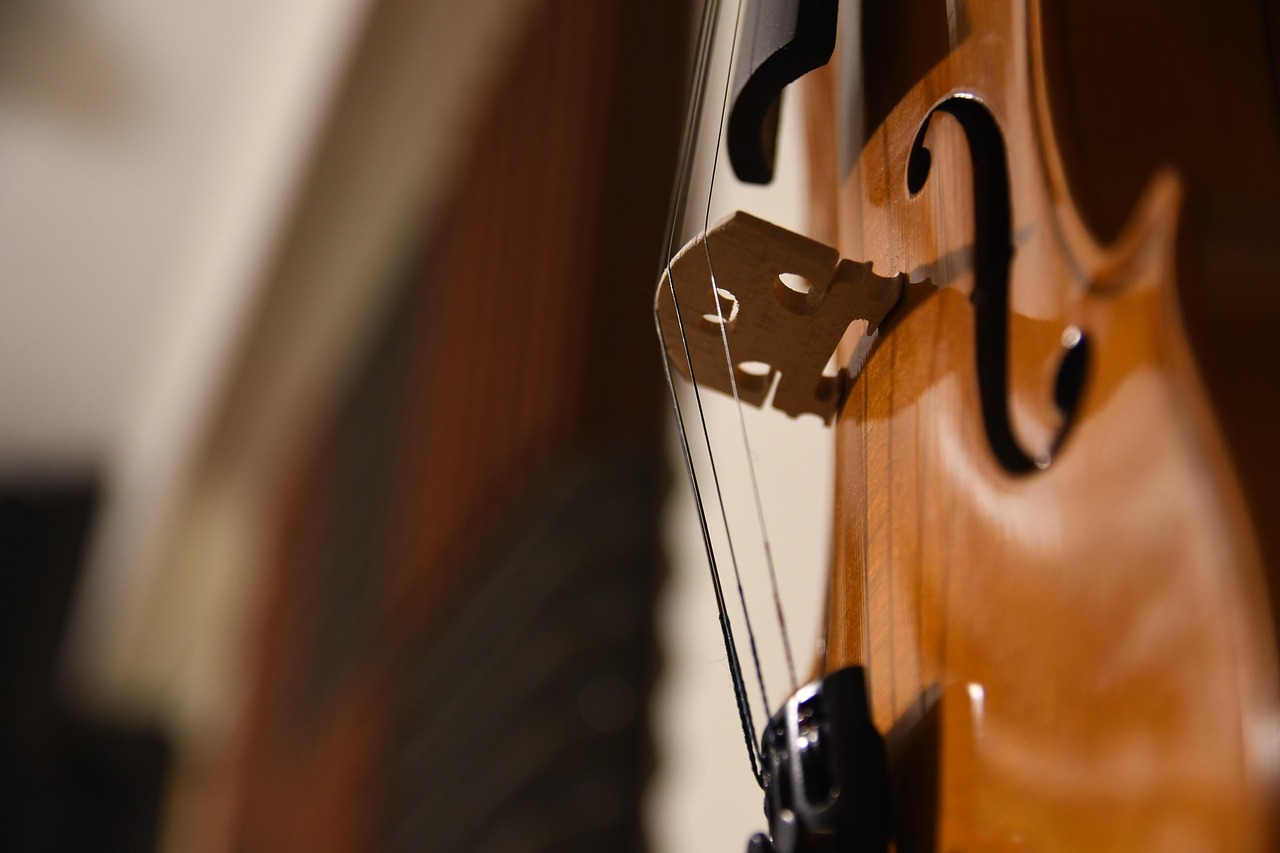
String stability depends on how tuning responsibilities are divided between pegs and tailpiece adjusters. Pegs handle coarse tuning and major pitch changes during string installation or seasonal wood adjustments.
Tailpiece fine tuners manage micro-adjustments during daily warm-ups. Using both systems correctly prevents over-winding strings around the peg barrel and reduces tension spikes across the bridge and top plate.
String Winding Technique on Peg Shafts
Correct winding technique is vital for optimal peg performance. Strings should wind neatly toward the pegbox wall, with each successive wrap pressing tightly against the previous one to prevent slipping.
Leaving too much slack creates messy overlapping coils that can bind against the sides of the pegbox. This friction makes turning the peg unpredictable and risks snapping high-tension violin strings.
Material Interaction Between Strings and Pegs
Modern synthetic and steel core strings exert significantly higher tension compared to historic gut strings. Pegs must resist this greater physical force without creeping or losing their set position over time.
The small hole drilled through the peg shaft must feature smooth, deburred edges to avoid cutting the string winding. Regular inspection ensures string ends do not cause premature metal fatigue or fraying.
Optimizing Overall Tuning Workflow
Developing a consistent tuning workflow ensures strings settle quickly before rehearsals. Starting with coarse adjustments at the pegs and finishing with fine tuners establishes stable intonation across the instrument.
This methodical approach minimizes string slippage and keeps the instrument in tune throughout extended orchestral sessions, supporting reliable ensemble playing for amateur and professional musicians alike.
Frequently Asked Questions
Why do violin tuning pegs suddenly slip during rehearsal?
Pegs slip when low humidity causes the wood in the peg and pegbox to shrink, reducing the friction holding them in place. Additionally, worn peg compound or incorrect string winding angles can prevent the conical shaft from seating securely against the pegbox walls, leading to sudden loss of tension.
How can I fix a violin peg that is stuck and will not turn?
A stuck peg usually results from high humidity causing the wood to expand and lock tightly into the pegbox. Never force a stuck peg with excessive manual torque, as this can crack the scroll. Instead, gently wiggle the peg outward while supporting the instrument neck, or consult a luthier.
Should I use peg dope or chalk on my violin pegs?
Peg compound, often called peg dope, contains lubricants and waxes designed to help pegs turn smoothly. Chalk can be used if a peg slips too much, as it increases friction. However, both should be applied sparingly to avoid creating a sticky buildup that attracts dirt inside the pegbox.
What is the difference between traditional pegs and geared pegs?
Traditional pegs rely entirely on friction and a precise conical taper to hold pitch. Geared pegs use internal mechanical mechanisms, such as planetary gears, to provide high-ratio turning control. This allows musicians to tune precisely without pushing inward, eliminating common slipping frustrations entirely.
How often do violin tuning pegs need professional maintenance?
Tuning pegs do not have a strict maintenance schedule, but they require attention whenever they become persistently difficult to turn, sticky, or prone to slipping. A qualified luthier can ream the pegbox holes and reshape the pegs to restore smooth operation and reliable tuning stability.
Can I replace my violin pegs myself without a luthier?
Replacing pegs requires specialized reamers and shavers matched to exact taper ratios to ensure proper contact with the pegbox. Attempting to install pre-made pegs without professional tools usually results in poor fit, air gaps, and chronic tuning failure, so professional installation is strongly recommended for best results.