Sergei Prokofiev’s symphonic fairy tale Peter and the Wolf serves as an ideal educational listening piece, mapping specific orchestral instruments directly to individual narrative characters.
Written to introduce children and amateur listeners to the symphony orchestra, the work pairs distinct themes with unique instrumental timbres, ranges, and technical capabilities.
Examining how these instrumental choices shape the storytelling provides valuable insights into orchestration, score reading, and active symphonic listening practices.
Prokofiev's Orchestral Palette for Narrative Music
The Concept of Musical Characterization
Prokofiev utilized instrumental color as a primary narrative driver, allowing tone quality to communicate personality traits instantly to the listener. Bright upper registers convey physical agility and youthful energy, while heavy lower registers suggest caution, age, or underlying menace.
Amateur listeners can track these deliberate shifts to understand how orchestration functions beyond mere harmonic accompaniment. Within this framework, each instrument operates effectively as a character on a theatrical stage, supporting the narrative alongside the spoken text.
Assigning Themes to Specific Instruments
Every major character in the tale receives a dedicated melody played by a distinct orchestral voice. This pairing remains consistent throughout the entire composition, reinforcing recognition for both novice and experienced listeners.
When themes return, listeners immediately identify the character through timbre alone. This technique aids score study and helps musicians analyze thematic development across narrative scenes without getting lost in denser polyphonic sections.
Listening for Timbral Contrasts in the Score
Following the musical narrative requires paying close attention to timbre, texture, and register changes. As characters interact, their instruments converse through counterpoint and shifting dynamic levels.
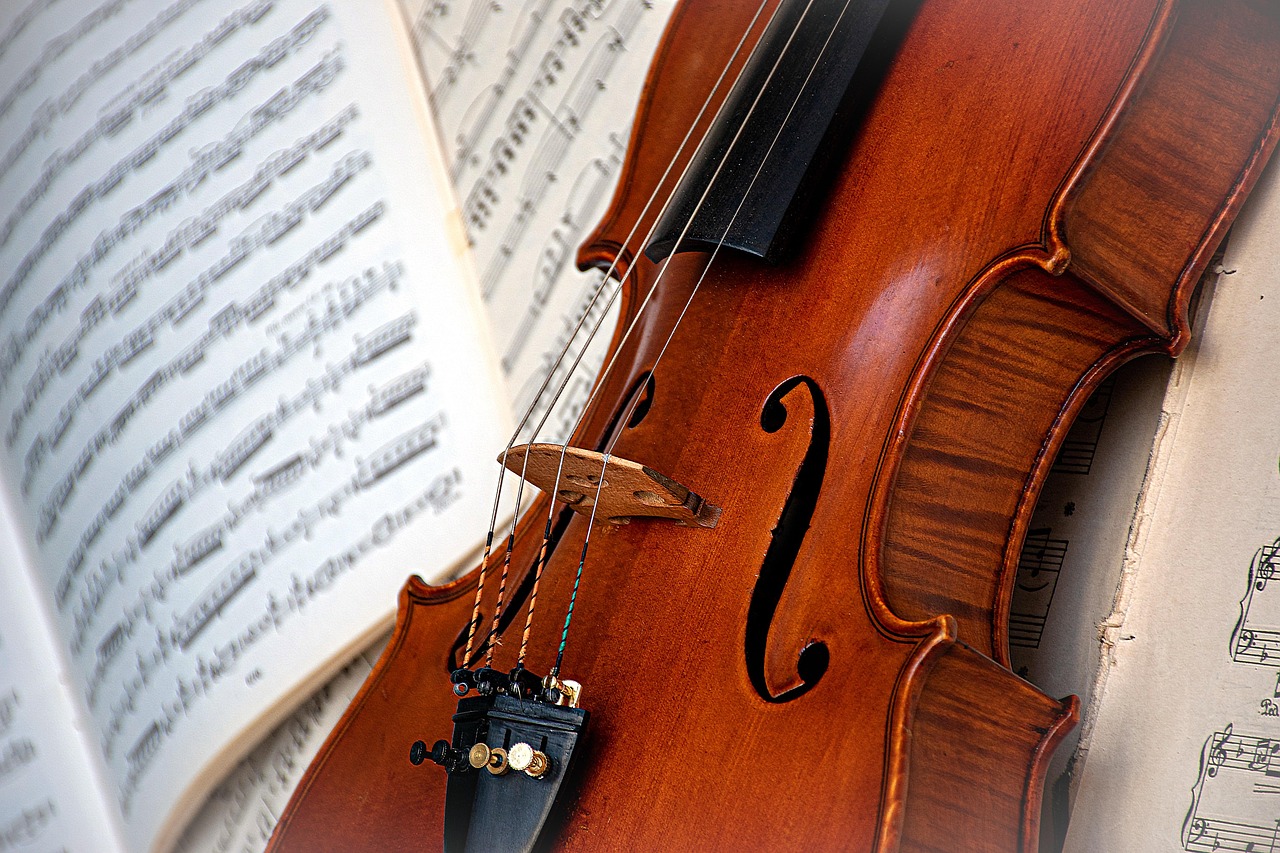
Orchestral students benefit from following a miniature score during playback to observe how Prokofiev balances contrasting instrument sections. Visualizing the notation deepens auditory comprehension and structural awareness significantly across repeated hearings.
For closely related guidance, see sounds of instruments of the orchestra.
String Instruments and the Heroic Theme
The Violins Representing Peter
The entire string section embodies the brave protagonist Peter, with the first violins leading the melody supported by the lower strings. The strings offer the flexibility needed to express youthful confidence, lyricism, and nimble physical movement.
Their bright upper-register writing projects clearly over light accompaniment textures provided by the rest of the ensemble. This brightness mirrors Peter’s energetic disposition and highlights his central role in the unfolding storyline.
Supporting String Textures and Motion
Lower strings like cellos and double basses provide harmonic foundation and rhythmic drive during dynamic scenes. They establish a secure underpinning that stabilizes the soaring violin melodies.
Analyzing these internal string parts reveals how composers build tension without obscuring the main vocal or melodic line. Balanced sectional interplay keeps the overall musical texture clear and distinct.
Bowing Techniques for Narrative Clarity
Articulation markings in the string parts dictate how characters move across the musical landscape. Staccato strokes suggest brisk walking, while legato phrasing implies smooth, uninterrupted motion.
String players must balance bow speed and contact point to capture these stylistic nuances accurately. Executing distinct bowings helps project the required theatrical character into the concert hall for the audience.

For closely related guidance, see high pitched brass instrument.
Woodwinds and Animal Personas
The Flute Portraying the Bird
The flute represents the cheerful, darting little bird high up in the tree branches. Its agile staccato runs and rapid trills mimic fluttering wings and flight patterns.
Playing in its agile upper register, the flute projects clearly above accompanying textures. This sparkling quality ensures the bird remains distinct and lively despite surrounding activity.
The Oboe Depicting the Duck
The oboe characterizes the waddling duck, utilizing a nasal, pungent tone quality to suggest aquatic movement. Its melodic lines have a slightly awkward, humorous physical gait.
Double-reed resistance allows the player to shape phrasing with characteristic bite and weight. This sonic profile captures the duck’s fateful encounter at the pond edge with surprising accuracy.
The Clarinet As the Sly Cat
The clarinet assumes the role of the stealthy cat, creeping softly through the grass. Its velvety lower register conveys cautious steps and predatory focus.
By employing staccato articulation and subtle dynamics, the clarinetist evokes feline agility. The instrument’s flexible timbre easily shifts from playful stalking to sudden bursts of speed when threatened.
For closely related guidance, see easiest orchestra instrument to learn.
Brass and Percussion for Tension and Action
The French Horns Warning of the Wolf
Three French horns announce the terrifying arrival of the wolf with a dark, foreboding harmony. Their blended brass timbre projects immense power and sudden menace.
This rich, resonant voicing creates an immediate contrast with the light woodwind themes heard earlier. The sheer weight of the horn section establishes instant dramatic tension and fear.
The Bassoon Stating Grandfather's Theme
Although the bassoon belongs to the woodwind family rather than brass, Prokofiev introduces Grandfather alongside the heavier narrative forces. The bassoon portrays Grandfather with a gruff, plodding melody in its lower and tenor registers, where its dry, double-reed tone captures stern authority and age.
Descending scales illustrate grandfather pulling Peter back from the meadow. The bassoon’s unique sonic flexibility handles both humorous stiffness and protective concern remarkably well during dramatic cues.
Timpani and Percussion Illustrating Hunters
While woodwinds introduce the hunters’ marching theme, kettle drums and the bass drum depict their rifle shots in the forest. These sharp rhythmic cracks punctuate the symphonic texture with abrupt dramatic impact.
Percussion coloring grounds the chaotic chase scenes in physical reality. Proper damping and striking techniques ensure these gunfire simulations remain crisp and rhythmically precise throughout the performance.
Frequently Asked Questions
Why did Prokofiev assign specific instruments to each character?
Prokofiev designed the work to educate young audiences about the distinct sounds of the symphony orchestra. Assigning a unique instrument to each role made identification intuitive for listeners.
This pedagogical approach helps listeners isolate individual timbres from complex orchestral textures. It remains a cornerstone strategy for modern music education programs worldwide.
How can amateur musicians study the orchestration effectively?
Amateur musicians can study this score by listening to recordings while following an annotated miniature score. Comparing visual notation with recorded sound builds active listening skills.
Paying attention to instrument combinations and countermelody writing reveals professional orchestration secrets. This analytical practice enhances overall ensemble awareness and performance sensitivity.
Which instruments double melody lines in the composition?
Prokofiev occasionally doubles melodies across different instrument families to create richer, composite orchestral colors. For instance, woodwinds and strings frequently share thematic material during climactic moments.
Doubling reinforces projection and introduces fresh timbral blends without muddying the overall texture. Recognizing these combinations aids in understanding symphonic balance and voicing principles.
How do woodwinds and strings interact during rapid chase sequences in the score?
During frantic chase sequences, Sergei Prokofiev weaves rapid woodwind passages directly against driving string ostinatos. The flutes and clarinets dart across bright upper registers while lower strings supply a steady rhythmic pulse underneath the outdoor action. This dynamic counterpoint creates a complex sonic web that simulates outdoor chaos while maintaining absolute clarity between individual character themes.
Amateur musicians studying these specific measures must observe how careful dynamic shifts balance the entire ensemble. When the string texture swells, woodwinds project through targeted staccato articulation rather than brute volume. Listening closely to this instrumental interplay reveals how melodic handoffs keep narrative momentum moving forward without burying secondary voices in heavy orchestral passages.
What score-reading techniques help amateur musicians track instruments in peter and the wolf?
Effective score reading for this symphonic fairy tale involves following specific transposing instruments and clef changes across the full orchestral system. Amateur musicians should use colored markers to highlight individual character staves before turning on a recording. Marking thematic entrances on the page trains the eye to anticipate melodic shifts instantly before the ear registers the change.
Additionally, keeping strict track of bar numbers during rehearsal helps players connect visual notation directly to physical theatrical gesture. Observing how rests are distributed among silent characters teaches valuable lessons about orchestral pacing, silence, and patience. This active visual tracking transforms passive listening into an engaging analytical exercise suitable for any ensemble rehearsal setting.
How do articulation and dynamics define animal behavior in the orchestration?
Prokofiev uses precise articulation markings and dynamic contrasts to mimic the specific physical traits of various animals in the story. Short staccato strokes and rapid trills suggest light, erratic movement like a small bird in flight. Conversely, heavy accents and sustained lower-register tones imply clumsy water motion or predatory caution, effectively grounding each creature in believable physical characteristics.
Orchestral listeners should note how these micro-articulations transform simple scalar passages into vivid theatrical portraits. When the clarinet plays smooth legato phrases, the cat sounds silent and stealthy, whereas sharper staccato notes introduce instant predatory tension. Analyzing these technical choices demonstrates how basic performance instructions shape expressive musical storytelling for all instruments.
Why are the French horns grouped together for the wolf's theme?
Grouping three French horns together creates a dark, homogeneous tone color that instantly conveys severe dramatic danger. The natural blending capabilities of multiple horns produce a rich, close harmonic resonance that is distinct from a single brass line. This close three-part chordal texture contrasts sharply with the delicate solo woodwind voices heard earlier in the composition.
For listeners and players, this tight horn harmony establishes a predatory presence that threatens the safety of the vulnerable characters in the tale. Studying this dramatic section helps amateur brass musicians understand chord balancing, intonation blending, and dynamic restraint within a dense orchestral tutti framework without forcing raw tone quality.
How does the bassoon manage comedic timing in Grandfather's theme?
The bassoon achieves distinct comedic timing through its unique dry timbre and wide leaps across extreme register boundaries. Its reedy tenor voice handles stubborn scolding phrases with a musical stiffness that mirrors an aging, frustrated authority figure. Sergei Prokofiev writes deliberate pauses and accented rhythms into the bassoon line to let humorous theatrical reactions land effectively with the listening audience.
Amateur woodwind players must control reed resistance and breath support carefully to maintain stable tone quality during these angular melodic leaps. Analyzing how humor is built directly into classical orchestration provides valuable insight into character development beyond standard lyrical melodies. This technique proves that lower woodwinds possess immense theatrical versatility in symphonic literature.
What listening strategies help amateur musicians isolate inner voices?
Isolating inner orchestral voices requires active listening focused on specific instrument timbres rather than just the main surface melody. Amateur musicians should practice tracking hidden countermelodies played by violas, horns, or clarinets while the primary tune sounds elsewhere in the ensemble. Concentrating on these secondary lines trains the ear to process complex polyphonic textures without becoming overwhelmed by overall orchestral volume.
Following along with a printed miniature score during this intentional listening exercise dramatically improves cognitive focus and auditory retention. By mapping what the eyes see directly to what the ears perceive, listeners build a deeper structural understanding of how master orchestrators construct balanced, transparent symphonic textures across every section.