The key with one sharp in Western classical music notation is G major or its relative minor, E minor. This key signature features a single sharp placed on the F line (fifth line in treble clef; fourth line in bass clef), raising every F to an F-sharp.
In orchestral settings, this fundamental key signature appears frequently across standard symphonic literature, offering a comfortable physical layout for many string instruments. Understanding its harmonic framework helps musicians navigate score reading and intonation.
Amateur orchestral players and attentive listeners benefit from recognizing how this specific sharp alters standard fingerings, transpositions, and overall ensemble balance during rehearsals and live performances.
String Instrument Mechanics in the One-Sharp Key
Violin Fingerboard Geography for One Sharp
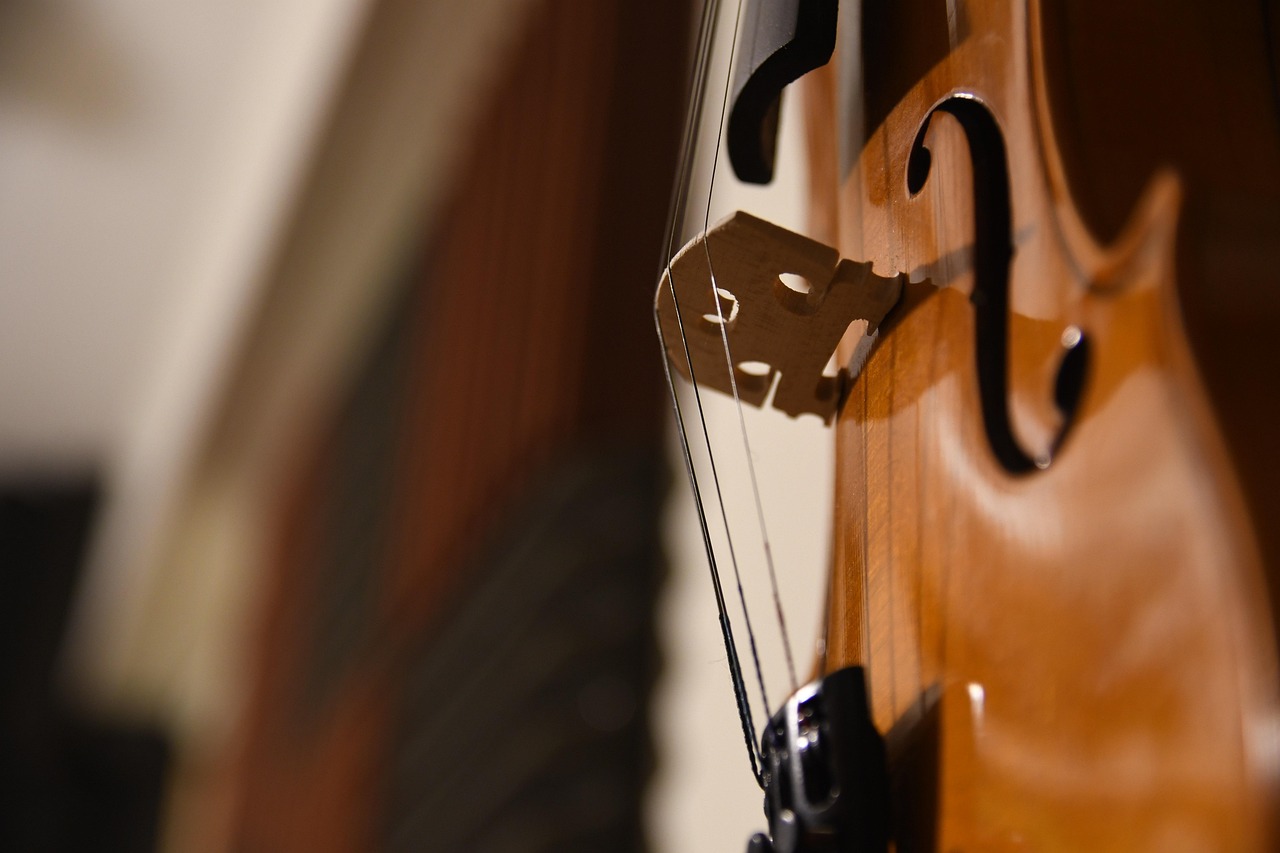
On the violin, the key with one sharp aligns naturally with the instrument’s open strings, particularly the D and G strings. Players utilize a standard first-position pattern that aligns well with the open G and D strings, facilitating smooth scale execution and comfortable shifting mechanics. This physical alignment reduces tension across the left hand during extended orchestral movements.
This layout minimizes awkward hand contortions, allowing performers to maintain a relaxed frame and consistent tone. Instructors emphasize maintaining proper wrist curvature to ensure clean articulation when shifting between natural and sharp notes during fast passages without sacrificing intonation accuracy.
Viola and Cello Open Strings and Shifts
For violas and cellos, the presence of F-sharp directly influences how players approach the lower C and G strings during complex orchestral movements. Because the key signature involves open string resonances, musicians often notice a brighter acoustic quality in orchestral tutti sections, which helps lower voices project effectively through dense harmonic textures.
Shifting mechanics require careful attention to half-step intervals, particularly between E and F-sharp across different fingerboard positions. Practicing slow scales helps players internalize the adjusted finger spacings required for accurate intonation across varied registers without introducing pitch instability or harsh string crossing sounds during rapid developments.
Double Bass Low Register Mechanics
Double bassists handling G major or E minor must manage the open E string (the lowest string on a standard four-string orchestral bass; instruments with extensions or five strings differ) and extended lower positions carefully in demanding symphonic scores. The single sharp requires precise finger placement on the G string to avoid intonation drift during sustained basslines and foundational pedal points that firmly anchor the overall orchestral harmony.
Orchestral passages in this key often demand steady bow distribution and careful weight management to support the harmonic foundation of the ensemble. Players should monitor string crossing angles closely to prevent unwanted accents on the lowered or raised pitches while maintaining a warm, resonant tone that blends seamlessly with cellos.
When practicing shifts and finger patterns, studying the e major scale key signature can provide useful context for related sharps.
Woodwind Adaptations and Fingerings
Flute and Piccolo Tuning Adjustments
Flutists and piccolo players encounter specific intonation tendencies when performing music in the key with one sharp during demanding orchestral rehearsals. The note F-sharp can sometimes lean sharp on certain acoustic flutes, requiring subtle headjoint rolling adjustments and targeted embouchure corrections to maintain pitch purity across diverse dynamic ranges and expressive markings.
Woodwind players must coordinate closely with section partners to ensure unison passages remain centered within the broader orchestral fabric. Listening carefully to the fundamental pitch of surrounding instruments prevents sharp tendencies from destabilizing high-register melodies during exposed solo moments or complex ensemble tutti movements.
Clarinet Transposition Challenges
Standard B-flat clarinets sound a major second lower than written, so a concert G-major part appears as A major in their written parts, introducing three sharp accidentals into their physical layout. This transposition shifts the mechanical workload of the fingers, requiring deliberate practice of cross-fingerings and altered hand positions to execute scalar runs cleanly across registers.
Orchestral arrangers account for these technical hurdles by keeping secondary voice movements logical and accessible within the overall symphonic texture. Players should rely on slow-tempo etudes to master the physical transition between native concert pitch and transposing fingerings during rapid section changes or complex harmonic modulations.
Double Reed Intonation Pressures
Oboists and bassoons navigating G major or E minor deal with specific fork fingerings that can affect tonal stability and acoustic resistance across registers during symphonic playing. The note F-sharp can be prone to pitch instability at softer dynamics on some instruments, making consistent air support and embouchure control important, though the specific tendency varies by instrument and player.
Chamber music listening exercises within the woodwind section help players lock in the resonance of the third scale degree accurately. Maintaining proper reed moisture and stable embouchure pressure remains vital for clean articulation throughout extended rehearsal blocks and demanding performance schedules in concert halls.
Wind players often encounter similar finger adjustments, much like mastering the flute high f sharp during advanced technical passages.
Score Reading and Harmonic Analysis
Transposing Instruments in the Score
Interpreting an orchestral score featuring one sharp requires distinguishing carefully between concert pitch and transposing instruments on the page. Horns in F and other transposing parts read different key signatures, meaning conductors and analysts must track multiple transposition systems simultaneously to follow underlying harmonic progressions correctly throughout the work.
Amateur score readers benefit greatly from highlighting the actual sounding key of G major or E minor across all staves before studying the movement in depth. This visual tracking prevents confusion when analyzing thematic entries shared between string instruments and woodwind sections during complex contrapuntal developments and tutti entries.
Recognizing Relative Minor Versus Major
A single sharp signature can indicate either G major or its relative minor, E minor, depending entirely on the harmonic tonal context of the work. Orchestral score readers look for accidental shifts, such as raised D-sharps, to confirm the presence of the minor mode in melodic lines and underlying chord structures throughout the score.
Analyzing phrase endings and melodic focal points clarifies whether the music resolves cleanly to a G tonic or an E harmonic resting place. This distinction shapes how listeners perceive the emotional trajectory of the orchestral movement across its various thematic sections during live performance.
Cadential Patterns and Functional Harmony
Functional harmony in this specific key relies heavily on D dominant seventh chords resolving cleanly to G major tonics in standard classical writing. Spotting these cadential arrival points helps orchestral listeners anticipate structural boundaries within symphonic movements and understand large-scale architectural design across the piece during active listening sessions.
Minor mode variations frequently employ modal mixtures, introducing C-sharps or B-flats to color the surrounding harmonic landscape during complex developmental episodes. Recognizing these subtle alterations deepens overall listener appreciation for how experienced composers build harmonic tension within a seemingly simple key signature framework.
Analysts comparing tonal centers will frequently contrast this setup against a 3 sharps key signature to observe different tonic shifts.
Rehearsal Strategies for Orchestral Ensembles
Sectional Tuning Protocols for Sharps
Orchestral rehearsals focusing on G major or E minor should begin with targeted intonation checks on the leading tone and fifth scale degrees. Tuning F-sharps carefully against open strings ensures the entire ensemble shares a unified acoustic baseline before running complex passages in full sectionals and tutti setups.
Conductors frequently isolate chord building exercises to help musicians hear how major thirds and fifths stack vertically in the hall. This collaborative tuning habit prevents common pitch sagging during extended lyrical developments and loud tutti crescendos across the entire ensemble.
Balancing Texture in String-Heavy Passages
Because G major and E minor make frequent use of open strings on orchestral string instruments, players may benefit from added resonance on those specific pitches, which can contribute to projection in passages that exploit open strings. Woodwinds and brass must balance their dynamics carefully to avoid being overpowered during powerful tutti statements in symphonic works. Orchestral balance requires constant attention from every section during rehearsals.
Conductors guide players to adjust articulation weight dynamically, ensuring that accompaniment figures do not obscure primary melodic lines. Careful listening across sections preserves clarity in complex polyphonic textures during performance and rehearsal.
Managing Tempo Transitions in Minor Modes
E minor movements within a one-sharp framework often feature dramatic tempo shifts and agitated rhythmic figures that challenge overall ensemble coordination. Ensembles must maintain steady subdivision internally to prevent rushing during turbulent transitional passages across the orchestra. Clear conducting gestures help unify these volatile moments.
Percussion and lower strings act as vital rhythmic anchors, keeping the pulse steady while upper voices execute rapid runs. Practicing with a metronome during sectional rehearsals builds collective stability for live performances in concert settings.
Frequently Asked Questions
How do I quickly identify the key with one sharp in a fast-moving orchestral score?
To identify the key with one sharp quickly, locate the sharp symbol on the F at the top of the treble staff (the fifth line) or on the corresponding F in the bass clef, representing F-sharp. Next, look closely at the final cadence or bass note to determine whether the music centers on G major or E minor. Checking for accidental markers like D-sharp provides immediate confirmation if the passage has shifted into the minor mode. Regular score study drills help amateur musicians recognize these visual cues more quickly.
Why do string players find G major and E minor so physically comfortable?
Most orchestral string instruments—violins, violas, and cellos—are tuned in fifths starting from C or G, making keys that align with these open pitches exceptionally ergonomic for performers. The key of G major utilizes open G and D strings directly, allowing fingers to fall into a natural first-position pattern without strain.
This physical alignment reduces hand fatigue during long orchestral works and facilitates clean intonation. Players can execute rapid scalar passages with minimal shifting, resulting in a resonant and unified acoustic profile across the entire string section during live performances.
What are the common intonation traps for woodwinds in this key signature?
Woodwind players often struggle with specific F-sharp fingering tendencies that can cause the pitch to drift sharp or flat depending on dynamic changes. F-sharp can tend sharp on some flutes or flat on others depending on instrument, headjoint position, and embouchure; oboes may trend sharp or flat at reduced volume depending on reed and embouchure characteristics. These tendencies vary by instrument and player.
Additionally, transposing instruments must manage complex key signature shifts that alter normal finger coordination. Maintaining consistent air support and utilizing collaborative listening during section rehearsals helps mitigate these inherent mechanical challenges across the section.