The order of flats in the treble clef follows a strict, unvarying sequence: B flat, E flat, A flat, D flat, G flat, C flat, and F flat. This specific sequence dictates how key signatures are constructed on the musical staff, instructing instrumentalists which notes to lower by a semitone throughout a piece.
For amateur orchestral musicians and score readers, mastering this sequence is vital for navigating woodwind and string repertoire efficiently. Recognizing the visual pattern allows players to instantly identify key signatures, anticipate intonation adjustments, and coordinate effectively during demanding orchestral rehearsals.
Whether you play the violin, flute, or study full orchestral scores, understanding how flat key signatures populate the treble clef enhances sight-reading confidence. This educational guide breaks down the mechanics, practical applications, and rehearsal techniques necessary for mastering flat key signatures in symphonic contexts.

Fundamentals of Flat Key Signatures
Visual Placement on the Staff
On the treble clef, flats are placed on specific lines and spaces in a precise chronological order from left to right. The first flat sits on the middle line for B flat, followed by E flat on the top space, creating a visual wave across the staff.
Subsequent flats continue this alternating pattern upward and downward according to strict engraving standards. Knowing this exact layout prevents misreading during rapid page turns and ensures that orchestral players apply accidentals to the correct pitch classes instantly.
The Mnemonic Sequence
To memorize the sequence of flats easily, musicians often rely on standard educational mnemonics like Before Eating A Dead Guy Can Fry. This simple verbal tool translates the note names into a reliable mental checklist for reading sheet music.
Reciting the letters backward also reveals the exact order of sharps, creating a cohesive theoretical framework. Amateurs benefit greatly from practicing this sequence verbally until recalling B flat through F flat becomes an automatic cognitive reflex.
Recognizing Major and Minor Keys
Determining the major key from a flat key signature involves observing the second-to-last flat on the staff. For example, a key signature with four flats ends on D flat, making the major key A flat major based on the preceding flat.
Relative minor keys are found by moving down a minor third from the major tonic or examining the leading-tone accidentals. Developing this analytical skill helps orchestral players anticipate harmonic shifts and prepare appropriate fingerings well in advance of performance.
For closely related guidance, see flats key signature order.
Reading Woodwind and String Parts
Flute and Oboe Score Navigation
Flute and oboe players rely heavily on the treble clef and encounter flat key signatures frequently in standard orchestral literature. Because their instruments utilize complex keywork systems, understanding the order of flats helps them map out awkward finger combinations.
When performing symphonic works with multiple flats, woodwindists must anticipate specific technical challenges, particularly regarding cross-fingerings. Recognizing the key signature instantly allows players to adjust hand positions and maintain seamless melodic lines across registers.
Clarinet and Transposing Mechanics
B flat and A clarinets read transposed treble clef parts, meaning their written key signatures differ from the concert pitch sound. Players must combine transposing rules with the standard order of flats to interpret their sheet music correctly during rehearsals.
This dual cognitive process requires a strong grasp of flat sequences to avoid transposition errors. Practicing standard transposition exercises ensures that clarinetists integrate written key signatures smoothly with their instrument specific acoustic properties.
Violin Shifts and Fingerboard Layouts
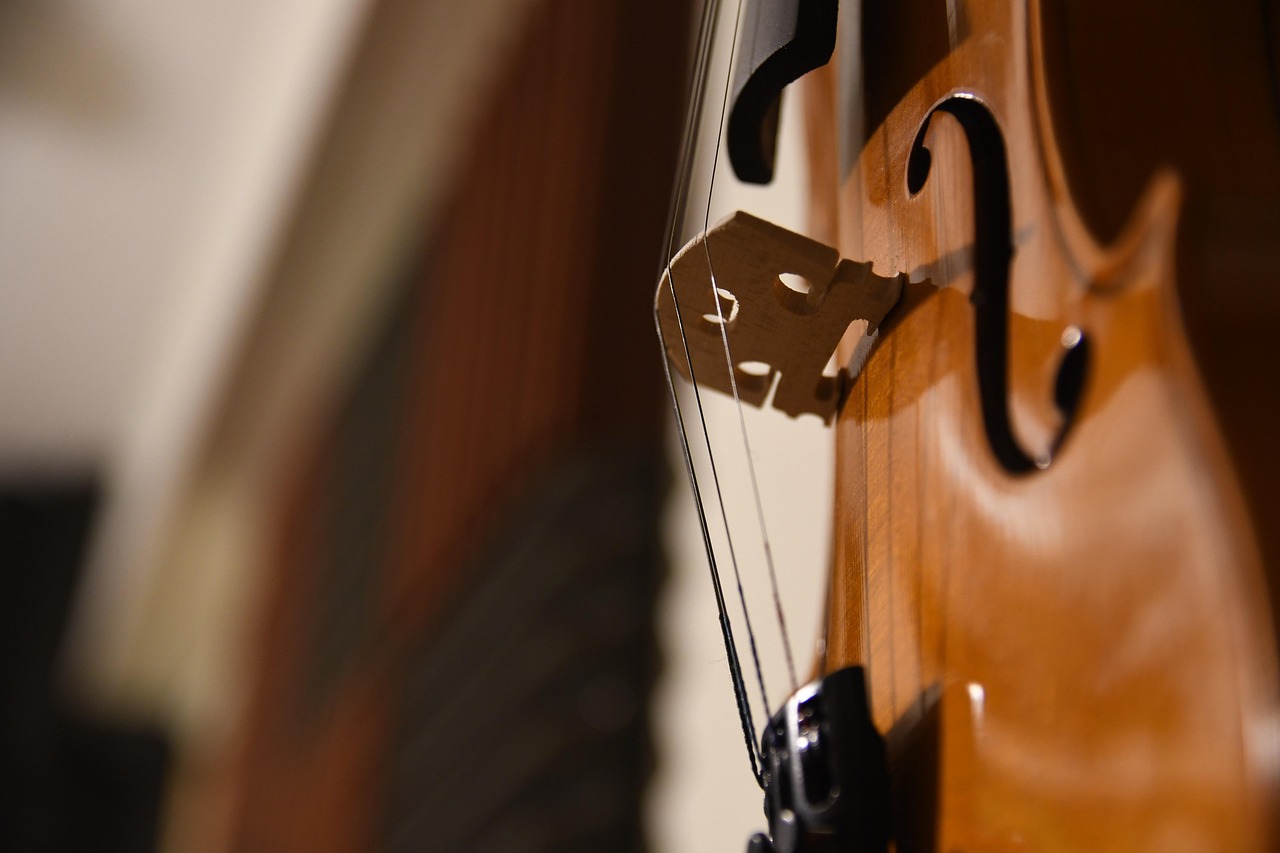
String players navigating flat keys on the violin must adjust their finger placement to accommodate lower pitch structures. Unlike sharp keys that often favor open strings, flat keys require precise stopping across the fingerboard to maintain intonation.
Violinists utilize half step shifts and extended finger patterns when playing in flat heavy keys like D flat major. Visualizing the treble clef flat sequence helps players mentally map out shift locations and maintain fluid bowing styles throughout complex passages.
For closely related guidance, see c major key signature treble clef.
Score Reading and Orchestral Contexts
Identifying Keys Across Clefs
While the treble clef is standard for upper instruments, orchestral scores feature multiple clefs simultaneously. Recognizing that the order of flats remains identical across treble, alto, and tenor clefs simplifies score study for amateur conductors and listeners.
Consistently applying the B flat to F flat rule regardless of the clef ensures accurate harmonic analysis. Score readers can track modulations across different instrumental staves by watching how accidentals modify the established flat sequence.
Navigating Score Layouts
Full orchestral scores group instruments by families, displaying various key signatures due to transposing instruments. Interpreting these diverse layouts requires a mental catalog of how different clefs and flat orders interact on a single page.
Amateur listeners and score readers use this knowledge to follow melodic lines as they pass from woodwinds to strings. Understanding the underlying key structure provides deeper insight into how composers orchestrate thematic material through changing tonalities.
Spotting Accidental Alterations
Composers frequently introduce temporary flats as accidentals that override the permanent key signature. Spotting these alterations quickly within a treble clef staff prevents musicians from playing out of tune notes during fast moving rehearsal passages.
Accidentals follow the same pitch hierarchy established by the standard flat order, even when written individually. Paying close attention to how these temporary changes interact with the main key signature keeps orchestral sections unified and harmonically accurate.
For closely related guidance, see key signature of b flat.
Rehearsal Strategies for Flat Keys
Intonation Adjustments in Sections
Flat keys often sound warmer and darker on orchestral instruments, but they can introduce distinct intonation tendencies. Woodwinds and strings must listen closely to adjust microtonal pitch variations, especially on lowered notes like D flat or G flat.
Section leaders should guide rehearsals by emphasizing chord roots and fifths within flat heavy passages. Practicing scale passages slowly in unison helps orchestral musicians lock in their intonation before tackling complex rhythm and tempo requirements.
Mastering Challenging Fingerings
Technical passages in flat keys often require specialized fingerings to maintain speed and clarity across registers. Instrumentalists benefit from isolating difficult measures and practicing alternative finger combinations that minimize hand tension and awkward movement.
Integrating these technical solutions during sectional practice prevents performance fatigue and ensures even tone production. Musicians should consult standard fingering charts to find efficient paths through dense flat key repertoire.
Internalizing Harmonic Progression
Understanding the harmonic function of flat keys helps orchestral musicians phrase melodic lines more expressively. Recognizing cadences, dominant preparations, and tonic resolutions allows players to shape dynamic arcs with greater musical awareness.
Amateur players who analyze the underlying harmony rather than just reading notes tend to perform with superior ensemble cohesion. Connecting the order of flats to harmonic motion transforms mechanical note reading into expressive orchestral performance.

Frequently Asked Questions
What is the exact sequence of flats in the treble clef?
The exact sequence of flats in the treble clef is B flat, E flat, A flat, D flat, G flat, C flat, and F flat. This order is universal in western music notation and determines how flat key signatures are added to the musical staff.
Every flat key signature builds upon this exact chronological order without exception. Memorizing this sequence allows musicians to instantly identify key signatures and understand the structural makeup of flat heavy musical compositions.
How do string players approach flat keys differently than woodwinds?
String players approach flat keys by adjusting their fingerboard topography, relying on precise stopping and shifted hand frames rather than complex keywork. Because string instruments lack physical keys, playing in flat keys requires heightened tactile awareness to maintain clean intonation.
In contrast, woodwind players navigate flat keys by managing intricate mechanical levers and cross fingerings. While both instrument families rely on the same treble clef note names, their physical execution strategies differ fundamentally based on how sound is produced.
Why does the order of flats always follow the same pattern?
The order of flats follows a specific pattern based on the circle of fifths, progressing downward by intervals of a fifth or upward by intervals of a fourth. This acoustic relationship ensures a smooth, systematic expansion of harmonic possibilities across major and minor keys.
Historical standardization of music notation solidified this sequence to make score reading and composition universally legible. Following this logical acoustic framework allows musicians worldwide to interpret key signatures consistently across all instruments and clefs.
How can amateur listeners use the order of flats in the treble clef when following a full orchestral score?
Amateur listeners following a symphonic score can use the visual layout of flat key signatures to track structural modulations and thematic returns. As a piece shifts from bright keys into darker flat regions, scanning the treble clef staves allows you to spot changing key signatures instantly before the orchestra physically performs them.
By keeping the standard order of flats in the treble clef firmly in mind, you can easily identify when sections transition into contrasting developments or recapitulations. This active visual tracking deepens your overall appreciation of symphonic architecture, helping you connect the composer’s overarching harmonic roadmap directly to the live auditory experience in the concert hall.
How do woodwind sections maintain intonation when performing in keys with many flats?
Woodwind players often find that heavy flat keys like D flat or G flat alter the natural acoustic tendencies of their instruments, frequently causing pitches to run sharp or flat depending on the register. To combat this during rehearsals, flutes and oboes must actively listen across the section and adjust their embouchures or breath support to stabilize fragile notes.
Ensemble leaders should encourage woodwind players to tune specific interval roots within the key signature rather than relying solely on electronic tuners. Practicing slow chorales in unison helps players calibrate their finger-to-pitch coordination, ensuring that dark, resonant flat keys sound unified and brilliantly in tune throughout complex symphonic movements.
What is the best way for amateur string players to visualize flat key signatures on the fingerboard?
Amateur string players can map out flat key signatures by connecting the visual order of flats on the treble clef directly to physical half-step shifts on the fingerboard. Because flat keys require fingers to reach backward toward the scroll rather than stretching forward, visualizing the altered pitch classes helps violinists anticipate required finger contractions.
Practicing slow scales while naming each flat aloud reinforces the link between written notation and tactile finger placement. This mental mapping prevents awkward hand cramps and ensures that intonation remains stable during rapid shifts across multiple strings in demanding orchestral string repertoire.