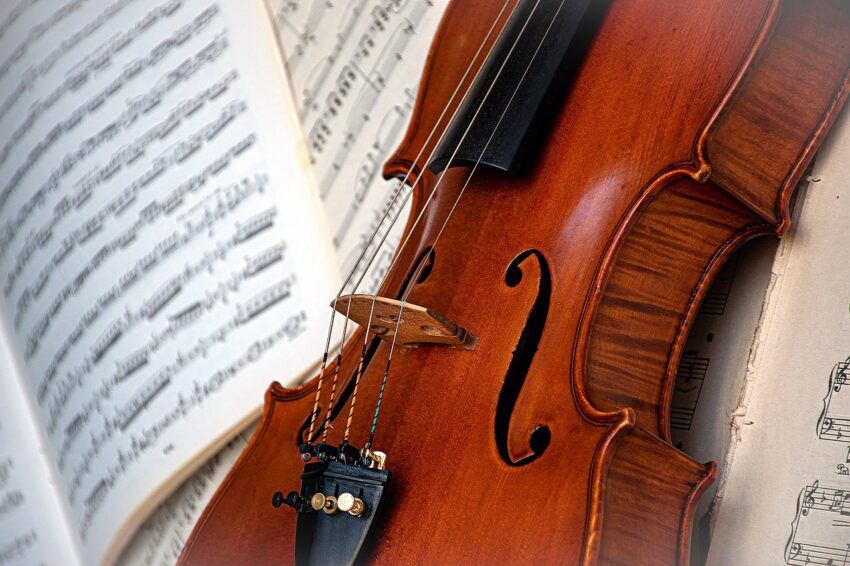
Playing the double bass with a bow, traditionally called arco playing, opens up a resonant, sustained sonic palette essential for orchestral repertoire.
Unlike plucking, bowing requires mastering specific bow holds, correct arm weight distribution, and precise contact points near the bridge to produce a clear, projecting tone.
Amateur orchestral bassists often face unique physical adjustments when transitioning from pizzicato to arco, making a structured approach to bowing mechanics vital for ensemble integration.
Bow Types And Ergonomics
German Versus French Bow Design
The double bass community utilizes two distinct bow styles universally known as the German bow and the French bow. The German bow features a notably taller, wider frog and is held with an underhand grip, requiring the right hand to support the heavy wooden stick securely from underneath using the fingers.
Conversely, the French bow features a shorter frog and an overhand grip that closely mirrors the physical mechanics of cello and violin bows. Players must evaluate both configurations carefully during early study to determine which hand position reduces muscular tension and aligns most naturally with their individual arm structure.
Hair Tension And Rosin Maintenance
Maintaining proper hair tension on a double bass bow is essential for achieving reliable string engagement across all dynamic levels. The hair should never be tightened so much that the wooden stick completely loses its natural inward curve, nor should it remain so slack that the stick hits the string during forceful passages.
Additionally, applying high-quality bass rosin is necessary because bass strings are thick and require significant friction to vibrate properly. Amateurs should apply rosin evenly across the hair before every practice session, taking care to avoid excessive buildup that can create a scratchy tone and damage the instrument over time.
Instrument Fit And Physical Ergonomics
Because the double bass is physically demanding, matching the player to an appropriately sized instrument and bow is crucial. Stool height must allow the player to anchor their feet firmly on the floor while maintaining a straight spine, preventing lower back fatigue during long orchestral rehearsals and complex bowing drills.
Bow arm ergonomics dictate that the shoulder remains relaxed while the elbow moves fluidly in multiple planes. Practicing in front of a mirror helps amateur musicians identify unnecessary shoulder elevation or rigid wrist movements, allowing them to correct physical habits before tension causes repetitive strain injuries or compromises tone quality.
Before focusing on your daily practice routine, you should regularly check the condition of your double bass bow hair to ensure optimal friction.
Holding And Posture Mechanics
Establishing The Basic Bow Grip
Establishing a correct bow grip requires balancing physical relaxation and structural control to manage the substantial weight of the bass bow safely. For German bows, the thumb rests against the stick while fingers curve underneath to support the frog. For French bows, the thumb acts as a fulcrum while the fingers drape naturally over the top surface.
Beginners must avoid gripping the wood too tightly, as excessive finger pressure restricts natural arm weight transfer. Maintaining flexibility in the knuckles allows the hand to absorb micro-adjustments during complex string crossings, ensuring a smooth transition between down-bows and up-bows without audible bumps or tonal interruptions in standard orchestral textures.
Arm Weight And Gravity Distribution
Producing a resonant sound on the double bass relies heavily on utilizing natural arm weight rather than relying on aggressive muscular squeezing. The player suspends the right arm comfortably from the shoulder, letting gravity transfer weight through the bow hair directly into the thick metal strings for maximum acoustic resonance.
Orchestral players must learn to adjust this downward weight dynamically depending on the register and volume markings printed in the score. Lower strings require careful weight distribution to speak clearly without crushing the string vibration, whereas higher positions demand subtle adjustments to maintain a sweet and focused tone color throughout long phrases.
Crossing Strings And Bow Leveling
Navigating multiple strings requires precise elbow elevation changes rather than isolated wrist movements. When moving from a lower string to a higher string, the entire right arm must rise slightly so the bow hair rests flat and even upon the new string surface without accidentally catching adjacent neighbors in the process.
Practicing slow, deliberate string crossings helps amateur musicians develop reliable muscle memory for the exact spatial planes of each string. Maintaining a parallel relationship between the bow hair and the bridge across all four strings prevents accidental multi-stops and ensures clean articulation during fast or complex orchestral passages.
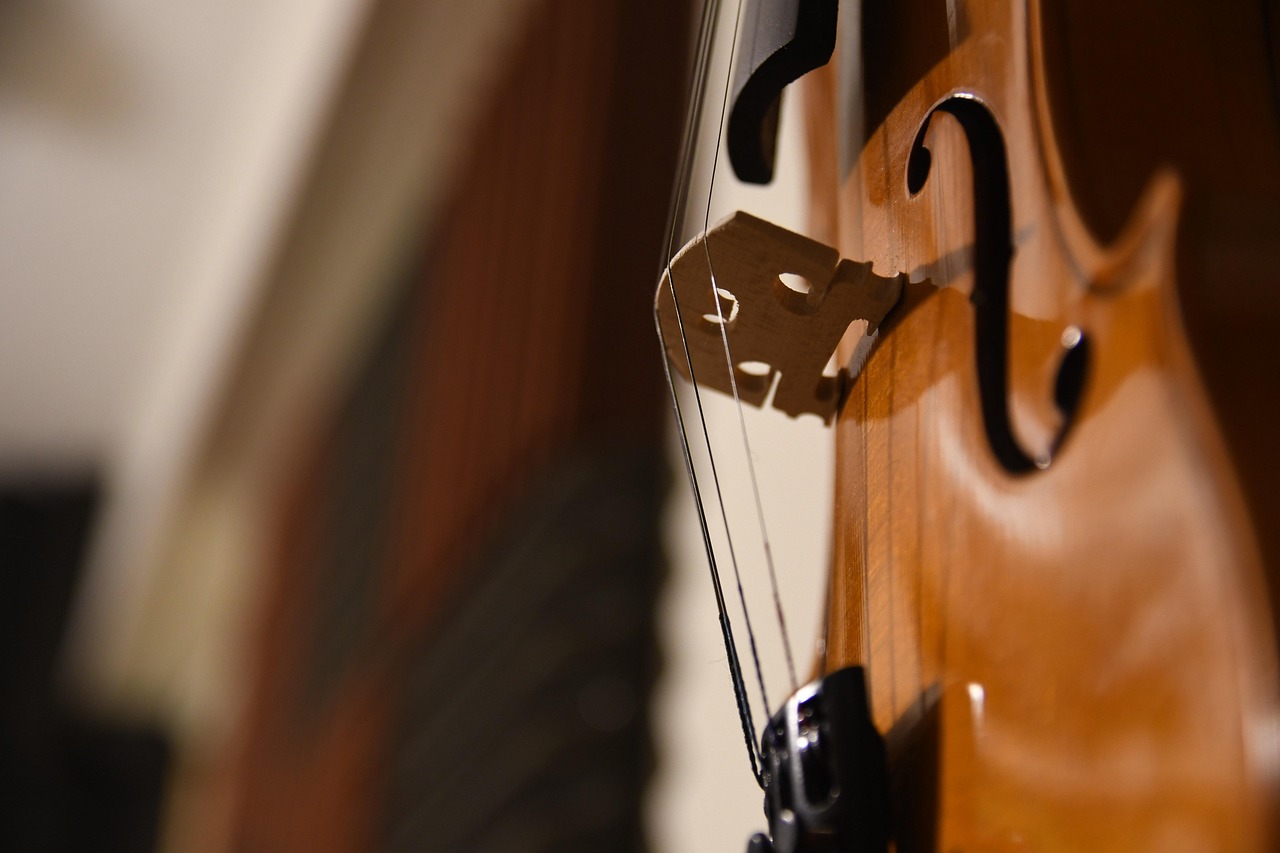
When adjusting your seating height and arm extension, the terminology differences between a contrabass and double bass rarely change your physical approach.
Articulation And Bow Strokes
Detache And Legato Fundamentals
The foundational bow stroke for orchestral bass playing is the detache stroke, where each individual note is articulated with a separate bow direction. Players must ensure that bow velocity and arm weight remain consistent from the frog to the tip, creating a smooth and continuous stream of sound across successive notes.
Legato playing connects multiple notes within a single bow stroke, requiring very careful control of bow speed. When changing notes under one bow, the left hand must articulate precisely while the right hand moderates speed to maintain an even dynamic level without sudden volume surges or dying endings during long sustained phrases.
Martele And Staccato Execution
Martele is a hammered, accented stroke that begins with an initial bite before releasing into a clear, sustained tone. The player applies downward pressure to the bow stick using the index finger before initiating lateral movement, creating a distinct articulation that cuts through heavy orchestral textures very effectively.
Staccato involves playing multiple short, stopped notes within a single bow direction. Amateur bassists should practice these strokes slowly on open strings, focusing on the release of downward pressure between notes rather than lifting the bow hair entirely off the string, which ensures clean separation and absolute rhythmic clarity throughout fast tempos.
Spiccato And Off-String Mastery
Spiccato is an advanced off-string bow stroke where the hair bounces lightly off the string, producing a crisp and nimble sound. This stroke typically occurs near the natural balance point of the bow, driven by a loose wrist and forearm rotation rather than aggressive vertical lifting motions originating from the shoulder.
Because the double bass string is thick and physically resistant, achieving a true spiccato requires considerable practice and careful attention to string tension. Players must let the elasticity of the bow stick do the bouncing work, ensuring the rhythm remains steady during rapid classical passages where heavy on-string strokes would sound muddy.
Tone Production And String Contact
Managing Contact Points Near The Bridge
The contact point where the bow hair meets the string is the most critical variable in tone production. Playing closer to the bridge creates a brighter, more focused sound with high resistance, while playing closer to the fingerboard yields a warmer, softer tone that lacks high-frequency overtones and projection.
Orchestral bassists must constantly adjust this contact point based on dynamics and register. Louder passages near the frog require moving slightly closer to the bridge to handle increased arm weight, whereas delicate piano passages benefit from a contact point shifted slightly toward the fingerboard to prevent harsh scratchy noises.
Bow Speed Versus Arm Weight Balance
Producing a clear orchestral tone requires a constant equilibrium between bow speed and arm weight. If a player moves the bow too fast with insufficient weight, the string emits a thin, breathy sound; conversely, applying excessive weight without adequate speed completely chokes the string vibration and creates unpleasant grinding noises.
Mastering this balance allows amateur musicians to shape musical phrases effectively. Crescendos require a careful combination of increased bow speed and heavier arm weight, while decrescendos demand a gradual reduction in speed paired with a lighter touch, ensuring the musical line maintains warmth and presence without losing tuning stability across the ensemble.
Eliminating Scratchy Overtones
Scratchy overtones are a common frustration for bassists learning to play with a bow, usually caused by improper string engagement or excess rosin dust buildup. When the bow hair grabs the metal winding too aggressively, harsh frequencies mask the fundamental pitch and disrupt the harmonic blend of the string section.
Players can eliminate these unwanted sounds by checking their bow angle, ensuring the hair meets the string flat rather than on its sharp edge. Reducing excessive downward pressure and cleaning excess rosin from the strings with a soft microfiber cloth will instantly restore a clean, highly resonant orchestral tone quality.

Achieving a clean sound requires careful bow pressure alongside proper double bass string identification so you know how each string responds.
Frequently Asked Questions
How often should I rosin my bass bow?
Bass bow hair often requires a fresh application of rosin before practice sessions or orchestral rehearsals. Because bass strings are exceptionally thick and under high tension, they typically require a tacky rosin surface to properly grip the hair and initiate clear string vibration without slipping during loud passages.
However, players should avoid over-applying rosin, as thick white dust accumulation will coat the instrument’s wooden body and create a harsh, scratchy sound. Two or three moderate swipes along the hair length are usually sufficient for a normal rehearsal, followed by wiping the strings clean with a cloth afterwards.
Can I use a cello bow on a double bass?
Using a cello bow on a double bass is not practical or effective for standard orchestral playing. Cello bows are significantly lighter, shorter, and possess different hair tension characteristics that cannot generate enough physical friction to vibrate the massive, thick steel strings of a double bass properly.
Attempting to play a bass with a cello bow results in an extremely thin, weak sound with virtually no projection in a large ensemble setting. Bassists must always use a dedicated double bass bow, whether selecting the German or French style, to ensure proper physical weight and acoustic output.
Why does my bow bounce uncontrollably on strings?
Uncontrolled bouncing usually occurs when a player holds the bow too tightly and applies excessive tension through the right arm. When the hand is completely rigid, it cannot act as a shock absorber, causing the stiff wooden stick to rebound erratically off the heavy metal strings during normal down-bows.
To fix this issue, focus on relaxing the fingers, wrist, and shoulder while maintaining a flatter bow hair contact angle. Allowing the natural flexibility of the bow stick to absorb energy will stabilize the stroke, keeping the hair firmly planted on the string for a smooth, connected orchestral tone.