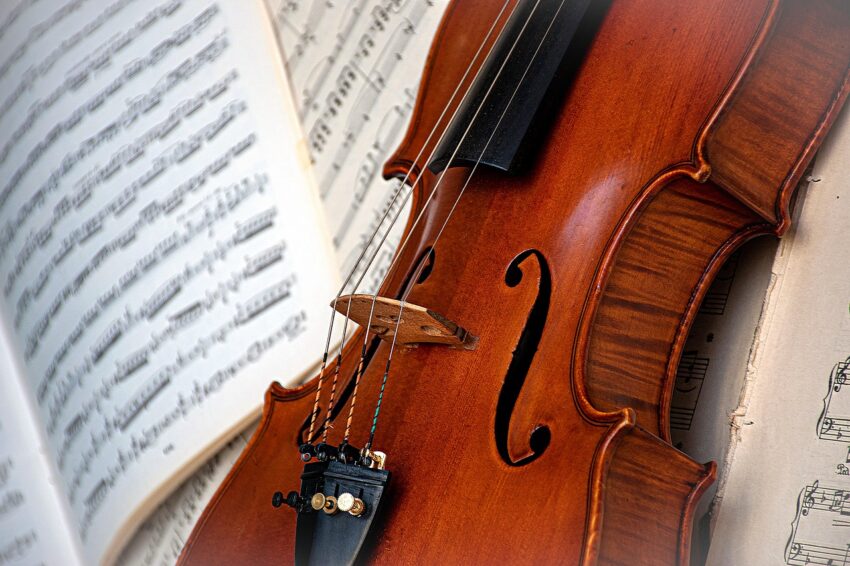
Sergei Rachmaninoff originally composed his Vocalise as a wordless song for high voice and piano, publishing it as part of his Opus 34 collection. Over the decades, performers across nearly every orchestral discipline have adapted this melancholy melody for their specific instruments, finding deep expressive potential in unexpected registers.
When brought to the double bass, Vocalise presents a fascinating technical and artistic puzzle. While the instrument is fundamentally built to anchor the harmonic foundation of the orchestra, placing the soaring vocal line into the bass register demands meticulous thumb position control, refined bow distribution, and a profound understanding of rubato.
For amateur orchestral musicians and active listeners alike, studying the double bass adaptation offers valuable insights into melodic phrasing, score analysis, and section balance. This guide explores the historical, technical, and analytical dimensions of performing and listening to Rachmaninoff’s lyrical work through the lens of the lowest string instrument.
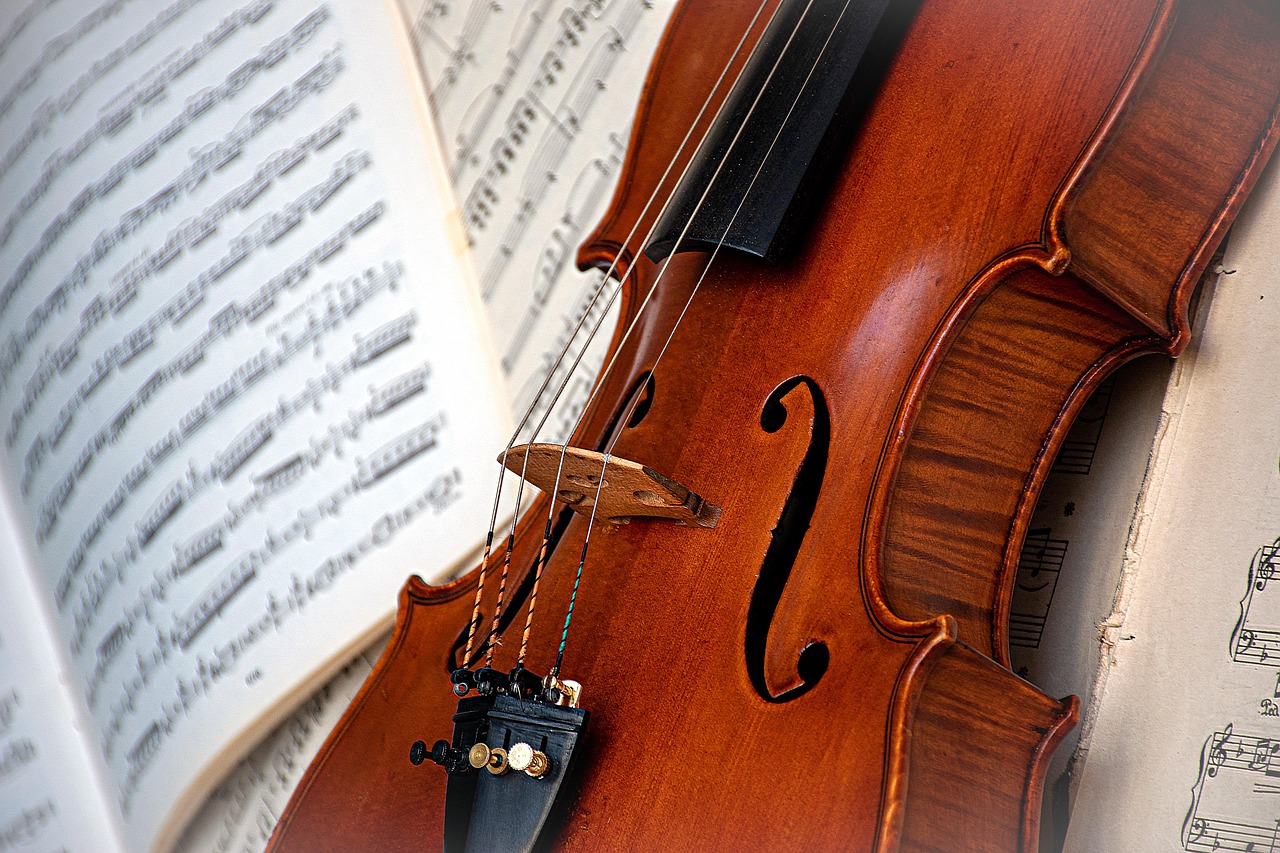
Adapting Sergei Rachmaninoffs Masterpiece for Low Strings
Historical Context of the Transcription Process
Sergei Rachmaninoff demonstrated a willingness to embrace various instrumental iterations of his most famous songs. Following the initial publication for voice and piano, he personally arranged a version for orchestra, while colleagues quickly began creating adaptations for violin, cello, and flute.
Translating the vocal line into the lower registers of the string family naturally emerged as performers sought lyrical vehicles beyond standard orchestral excerpts. The double bass repertoire expanded significantly during the twentieth century as players pushed the boundaries of what the instrument could express melodically.
Challenges of Translating Soprano Melodies to Bass
The primary hurdle in arranging a soprano or tenor vocalise for the double bass involves the massive span of the tessitura. Rachmaninoff wrote the original line to exploit the breath control and soaring upper frequencies of the human voice, creating continuous legato lines that require immense physical stamina.
On the double bass, achieving a similar singing quality requires navigating thick strings, longer speaking lengths, and higher physical resistance. Players must carefully re-evaluate every shift, crossing, and interval to ensure the phrase retains its emotional weight without sounding strained or forced in the upper registers.
Selecting the Right Register and Octave Shifts
Deciding where to place specific phrases within the double bass fingerboard requires balancing acoustic reality with expressive intent. While some passages can remain in a resonant tenor register, other soaring climaxes necessitate octave displacement to fit the physical constraints of the instrument.
Performers must analyze the harmonic implications of these octave shifts to avoid breaking the overarching melodic line. Maintaining a seamless connection between altered registers ensures the listener still recognizes the iconic contours of Rachmaninoff’s original architectural design.
Bringing a soaring vocal melody into the lower register is comparable to exploring a demanding concerto for double bass in solo performance.
Technical Considerations for Double Bassists
Bow Distribution in Long Lyrical Phrases
Sustaining Rachmaninoff’s expansive legato lines on the double bass demands exceptional bow discipline and arm weight management. Because the instrument uses thick strings that require substantial friction to vibrate fully, bow speed must be carefully modulated across every single measure.
Players often practice dividing long phrases into smaller, manageable micro-segments to plan bow changes invisibly. Avoiding sudden accents during direction changes preserves the continuous vocal curve, ensuring the listener experiences an uninterrupted stream of melancholic sound throughout the entire movement.
Intonation Management in Upper Thumb Positions
Executing Vocalise on the double bass requires extensive navigation of thumb position, where finger spacings grow drastically narrower. Playing in tune high on the fingerboard relies heavily on muscle memory, precise tactile feedback, and constant listening to relative interval structures.
Amateur musicians benefit from slow, meticulous scale practice in upper registers before tackling Rachmaninoff’s intricate chromatic voice-leading. Utilizing natural and artificial harmonics can also serve as reliable anchor points to verify pitch accuracy during complex melodic ascents and descents.
Vibrato Application and Tone Color Control
Creating a warm, vocal-like timbre on the double bass necessitates a flexible, continuous vibrato that adapts to the shifting register. In lower positions, a wider, deeper oscillation adds warmth, whereas higher thumb positions require a faster, narrower vibrato to prevent the pitch from sounding unstable.
Instrumentalists must also experiment with contact point adjustments near the bridge to alter timbre. Moving slightly closer to the fingerboard yields a darker, more introspective vocal quality that fits the haunting, introspective atmosphere inherent in Rachmaninoff’s romantic harmonic language.
When playing lyrical passages in high registers, mastering double bass standard tuning constraints becomes essential for proper intonation.
Orchestral Rehearsal Strategies and Section Balance
Blending the Double Bass with Cellos
When double bassists perform lyrical solo repertoire alongside cellos or within a chamber ensemble, achieving blend is paramount. The fundamental frequencies of the double bass can easily overpower lighter textures if players do not consciously monitor their volume and articulation choices.
Rehearsing this repertoire requires active listening across the entire lower string section to match release points and tone production. Aligning the bow stroke style ensures that the double bass supports the primary voice without imposing an overly heavy harmonic weight upon the delicate melody.
Navigating Rubato and Tempo Fluctuations
Rachmaninoff’s music is famous for its expressive rubato, requiring performers to push and pull the tempo continuously. For double bassists playing in an ensemble or with a collaborative pianist, staying unified through these flexible rhythmic shifts demands intense visual and auditory communication.
Rehearsal sessions should focus on identifying shared breath cues and pivotal arrival points within each phrase. Establishing a mutual understanding of how far the tempo can stretch prevents rhythmic drag and maintains the forward momentum essential for sustaining emotional tension.
Dynamic Control in Soft Passage Work
Mastering soft dynamics on the double bass is notoriously difficult due to the sheer physical mass of the instrument. Playing quietly while maintaining a rich, singing tone in Vocalise requires precise bow placement and a relaxed right-hand grip that avoids choking the string’s vibration.
Ensemble rehearsals often reveal that low-register melodies need careful dynamic balancing to cut through accompanying textures without forcing the sound. Practicing whisper-soft passages helps players build the subtle muscular control needed for effective expressive nuance in performance.
Analytical Insights for Score Reading and Listening
Harmonic Progression Beneath the Vocal Line
Analyzing the underlying chord structure of Vocalise reveals a sophisticated network of chromaticism and suspensions. Even when the focus remains on the soaring bass melody, understanding the supporting harmony illuminates why specific notes carry such intense emotional weight.
Score readers should examine how Rachmaninoff utilizes deceptive cadences and shifting modal colors to build tension beneath a seemingly simple melodic surface. Recognizing these harmonic drivers helps both performers and listeners anticipate the emotional peaks of the piece.
Counterpoint and Inner Voices in Rachmaninoff
Although Vocalise is primarily perceived as a single-line melody with accompaniment, the inner voices feature subtle countermelodies and supportive counterpoint. Listening beyond the prominent double bass line reveals intricate dialogue occurring between the piano or orchestral accompaniment parts.
Amateur musicians benefit from tracing these secondary lines during score study to appreciate the density of Rachmaninoff’s writing. This holistic awareness prevents the performance from sounding monochromatic and highlights the rich textural interplay built into the composition.
Comparing Orchestral and Chamber Configurations
Listening to different iterations of Vocalise provides a masterclass in orchestration and timbre. Comparing the original vocal version with cello, violin, and double bass transcriptions highlights how instrumental color fundamentally alters the perception of the exact same notes.
Analyzing these variants allows orchestral listeners to develop a deeper appreciation for how different instrumental families project emotion. The double bass brings a uniquely solemn, grounded character that transforms the ephemeral vocal line into something deeply meditative and profound.
Comparing the original soprano register with the lower voice reveals fascinating polyphonic relationships between the double bass and violin versions.
Frequently Asked Questions
Which tuning is best for performing Vocalise on the double bass?
Standard orchestral tuning in fourths works effectively for most double bass transcriptions of Vocalise, provided the player is comfortable utilizing upper thumb positions. Some soloists utilize solo tuning, where strings are tuned one whole step higher, to achieve extra brilliance and resonance.
Choosing a tuning often depends on the specific transposing key of the arrangement and the player’s familiarity with fingerboard geography. Standard tuning remains the most practical choice for amateur orchestral musicians collaborating with standard-tuned ensemble partners without transposing difficulties.
How do bassists maintain a singing tone without lyrics?
Without words to guide the phrasing, bassists must rely entirely on inflection, dynamic variation, and thoughtful articulation to mimic speech patterns. Mimicking the natural breath rhythms of a human vocalist helps shape each musical sentence organically rather than mechanically.
Practicing the melody away from the instrument by singing or humming the line internalizes the natural inflections required. Translating those vocal breath points directly into bow strokes ensures the instrument sounds genuinely expressive rather than purely percussive or academic.
Is solo double bass repertoire suitable for intermediate players?
Studying lyrical solo repertoire like Rachmaninoff’s Vocalise offers immense benefits for intermediate double bassists, provided they approach the material with patience. The piece demands rigorous attention to intonation and bow control, making it an excellent vehicle for targeted technical improvement.
Players should select accessible transpositions that fit comfortably within lower and middle registers before attempting challenging high-thumb-position variations. Working through these lyrical studies ultimately transforms overall orchestral playing, fostering better tone production and deeper musical sensitivity.
How does score reading the piano reduction help a double bass soloist shape their phrasing?
Studying the full piano score rather than just reading the isolated solo line allows double bassists to map out harmonic tensions and resolutions accurately. By carefully tracking the underlying moving inner voices and complex chordal changes, players can align their dynamic shaping and expressive rubato choices directly with the composer’s architectural peaks rather than relying solely on guesswork.
This comprehensive score analysis helps amateur orchestral musicians identify precisely where the accompaniment thickens or thins, guiding crucial technical decisions regarding volume, vibrato speed, and bow distribution. Recognizing these structural pillars ensures that the low-register melody interacts cohesively with collaborative pianists or orchestral textures without disrupting the overarching emotional arc of the work.
How do string material choices impact the execution of lyrical melodies on the double bass?
The choice between modern steel-core and synthetic or gut strings significantly alters how a double bass projects a sustained lyrical line. Steel strings offer rapid response and high acoustic projection, which helps upper-register notes speak clearly, but they can sometimes sound overly bright or harsh if right-hand bow pressure is too aggressive.
Conversely, flexible synthetic options frequently yield a warmer, more organic timbre that mimics the breath control of the human voice more closely, though they demand greater physical effort to engage fully. Amateur musicians must carefully weigh these acoustic trade-offs when selecting gear for expressive solo repertoire, balancing vocal warmth against the strict technical demands of high thumb positions.