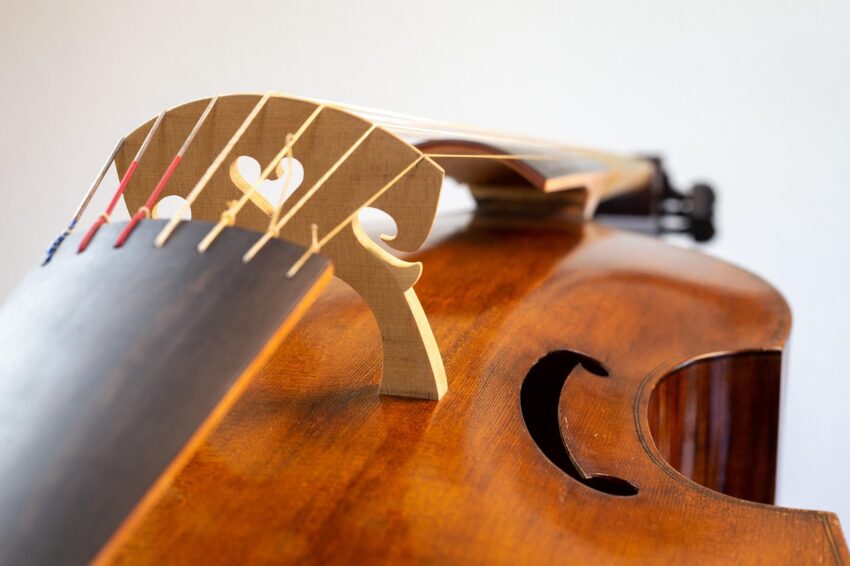
The viola da gamba bow hold represents a distinct mechanical approach compared to modern orchestral string technique, emphasizing an underhand grip that mirrors vocal articulation. Mastering this historical technique allows amateur musicians and engaged listeners to better understand early music textures, phrasing nuances, and stylistic differences within consort and orchestral repertoires.
Independent educational guides for string players and listeners provide structured frameworks for exploring these historical performance practices. By examining bow mechanics, physical ergonomics, and score-reading principles, participants can deepen their appreciation of historical instrument dynamics without relying on modern conventions.
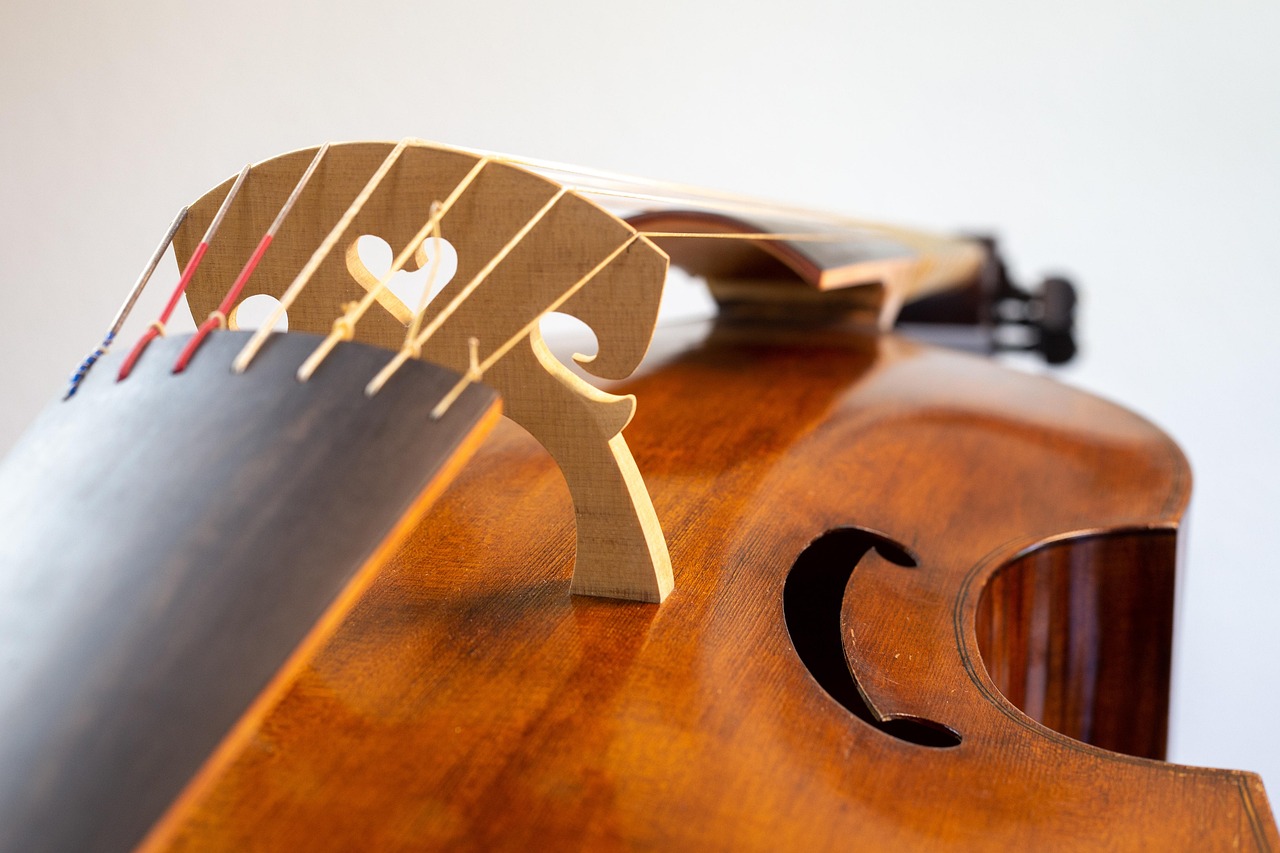
Fundamentals of Historical Bow Mechanics
Underhand Grip Structure
The viola da gamba bow hold requires placing the fingers beneath the bow hair rather than over the stick. This underhand mechanism allows the hand to directly control tension and release. Players rest their fingers against the wood and hair, utilizing natural hand weight to produce a warm, resonant tone.
Because the index finger does not apply downward pressure from above, the overall sound production relies heavily on horizontal movement across the strings. This fundamental design shift changes how attacks are initiated and sustained across various registers.
Finger Placement and Tension Balance
Proper finger placement involves gently curving the fingers while maintaining direct contact with the hair. The thumb acts as a fulcrum, resting against the stick or near the frog depending on the specific historical model of the bow. Maintaining flexibility in the wrist prevents excessive strain during rapid string crossings.
Amateurs often struggle with gripping too tightly, which restricts the natural bounce of the stick. Balancing finger relaxation with secure control ensures that the bow can glide smoothly, producing clean articulations without harsh scratching noises.
Comparison with Modern Bow Grips
Contrasting the gamba grip with modern violin or cello bow holds highlights distinct mechanical goals. Modern grips emphasize downward leverage and finger articulation over the top of the stick. In contrast, the underhand gamba grip prioritizes vocal flexibility and consonant-like beginnings to notes.
Understanding this divergence helps listeners analyze orchestral and chamber textures with greater historical awareness. Recognizing how different bow designs shape phrasing enriches the overall listening experience for amateur enthusiasts.
When exploring early musical techniques, mastering the underhand cello bow hold is a crucial foundational step.
For closely related guidance, see the viola da gamba.
Ergonomics and Physical Awareness in Early Strings
Wrist and Forearm Alignment
Achieving a sustainable viola da gamba bow hold requires neutral wrist alignment. The forearm and hand should move as a cohesive unit, minimizing isolated finger movements that can cause fatigue. Keeping the wrist flexible allows for seamless shifts between upward and downward strokes.
Practitioners must monitor their physical posture regularly during practice sessions. Avoiding sharp bends in the wrist ensures that blood flow remains unobstructed, promoting long-term playing comfort and consistent sound emission.
Managing Shoulder and Neck Relaxation
Physical tension in the shoulders frequently interferes with historical bow execution. Because the instrument is held vertically or between the legs, upper body posture differs significantly from violin playing. Players must consciously release the trapezius muscles to allow natural arm weight to transfer into the bow.
Incorporate frequent breaks during rehearsal to stretch the neck and upper back. Cultivating this bodily awareness prevents chronic overuse injuries and supports a more relaxed, resonant tone production in ensemble settings.
Seating Posture and Instrument Support
The viola da gamba is supported primarily by the legs or a calf strap, altering the player’s center of gravity. Sitting on a stable, flat-surfaced chair with both feet firmly on the floor provides a secure foundation. This stable seating arrangement directly influences the freedom of the bowing arm.
When the lower body is secure, the upper torso remains free to rotate slightly. This rotational freedom assists the bowing arm in maintaining proper contact angles across all strings without awkward torso contortions.
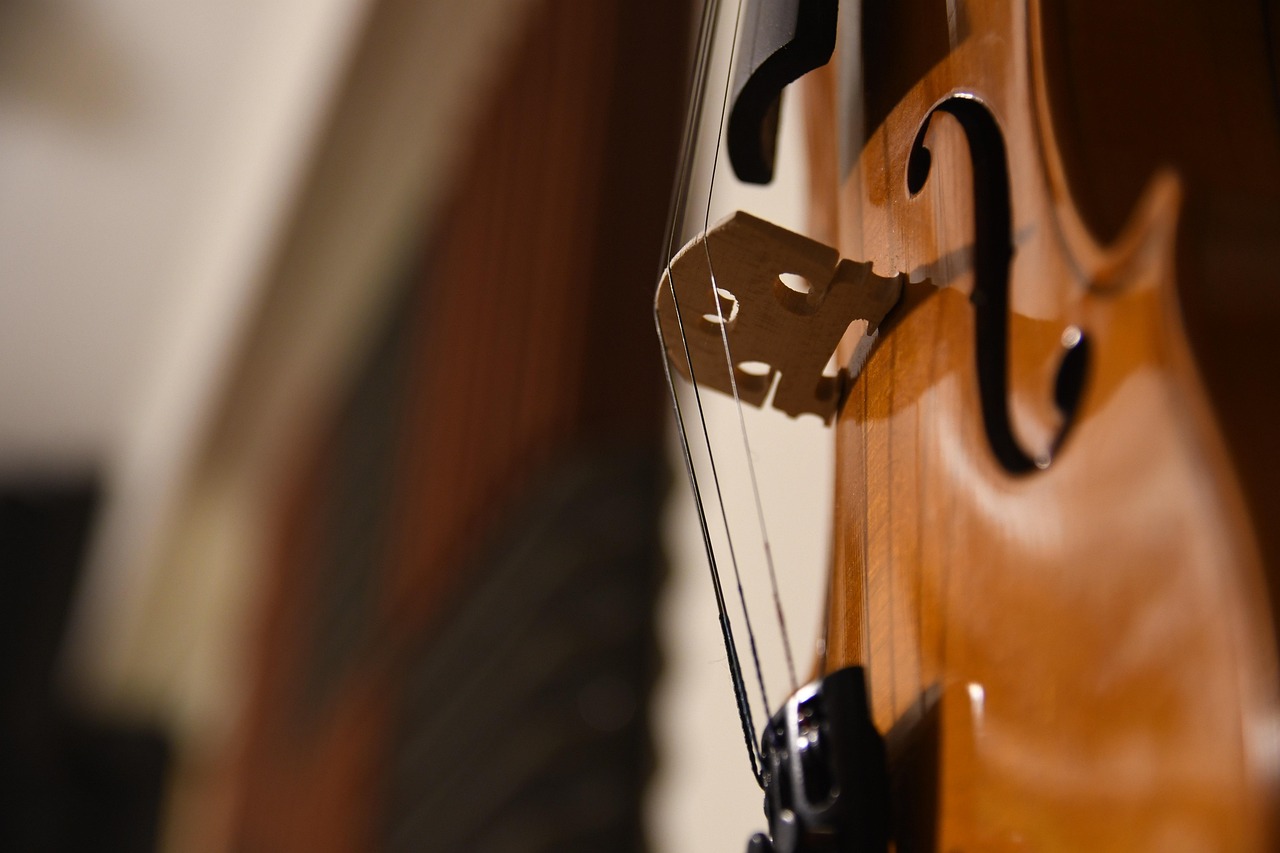
Your physical posture must account for the curvature of the viola da gamba bridge during extended practice.
Articulation and Phrasing with the Gamba Bow
Natural Speech Inflections in Playing
Historical treatises emphasize that instrumental phrasing should imitate human speech. The viola da gamba bow hold facilitates this by allowing soft consonants and resonant vowels at the beginning of notes. Players vary bow speed and pressure to create natural swells and decays.
Listening for these speech-like inflections transforms the amateur listening experience. Instead of viewing early music as static background sound, listeners can track rhetorical gestures and musical punctuation across phrases.
Differentiating Up-Bow and Down-Bow Weight
Unlike modern bows, which are often engineered to equalize up-bow and down-bow volumes, historical bows possess inherent directional weight biases. The natural down-bow tends to be heavier, while the up-bow naturally lightens. Players must consciously manage these tendencies to maintain musical balance.
Amateur musicians learn to compensate for or embrace these natural asymmetries. Aligning strong beats with down-bows reinforces the underlying metric hierarchy without requiring excessive physical force from the arm.
Articulating Baroque Dance Movements
Baroque dance forms rely heavily on distinct metric accents and rhythmic grouping. The underhand bow grip excels at articulating these dance steps through subtle micro-articulations and controlled bow lifts. Each dance style, from the stately sarabande to the lively gigue, demands specific bow stroke characteristics.
Studying these rhythmic patterns helps instrumentalists and listeners decode the formal structures of early music. Recognizing dance rhythms enhances comprehension of tempo, phrasing, and expressive intent within the repertoire.
Integrating Historical Strings into Group Listening
Balancing Textures in Consort Settings
Consort playing involves blending instruments of various sizes, from treble to great bass viols. Because viols possess a quieter, more focused acoustic profile than modern orchestral instruments, ensemble balance requires careful listening. Players must adjust their projection to match surrounding voices.
Amateur listeners benefit from identifying individual instrument lines within a consort texture. Tracking how treble and bass parts interweave deepens appreciation for polyphonic transparency and chamber music interplay.
Listening for Polyphonic Interplay
Polyphonic music features multiple independent melodic voices moving simultaneously. In historical repertoire, each voice contributes equally to the harmonic fabric. Listeners should practice following a single melodic line as it passes from the treble viol to the bass.
This active listening habit reveals the intricate compositional craftsmanship of Renaissance and Baroque masters. Understanding polyphony transforms passive listening into an engaging analytical exercise for concertgoers and students.
Score Reading for Historical String Parts
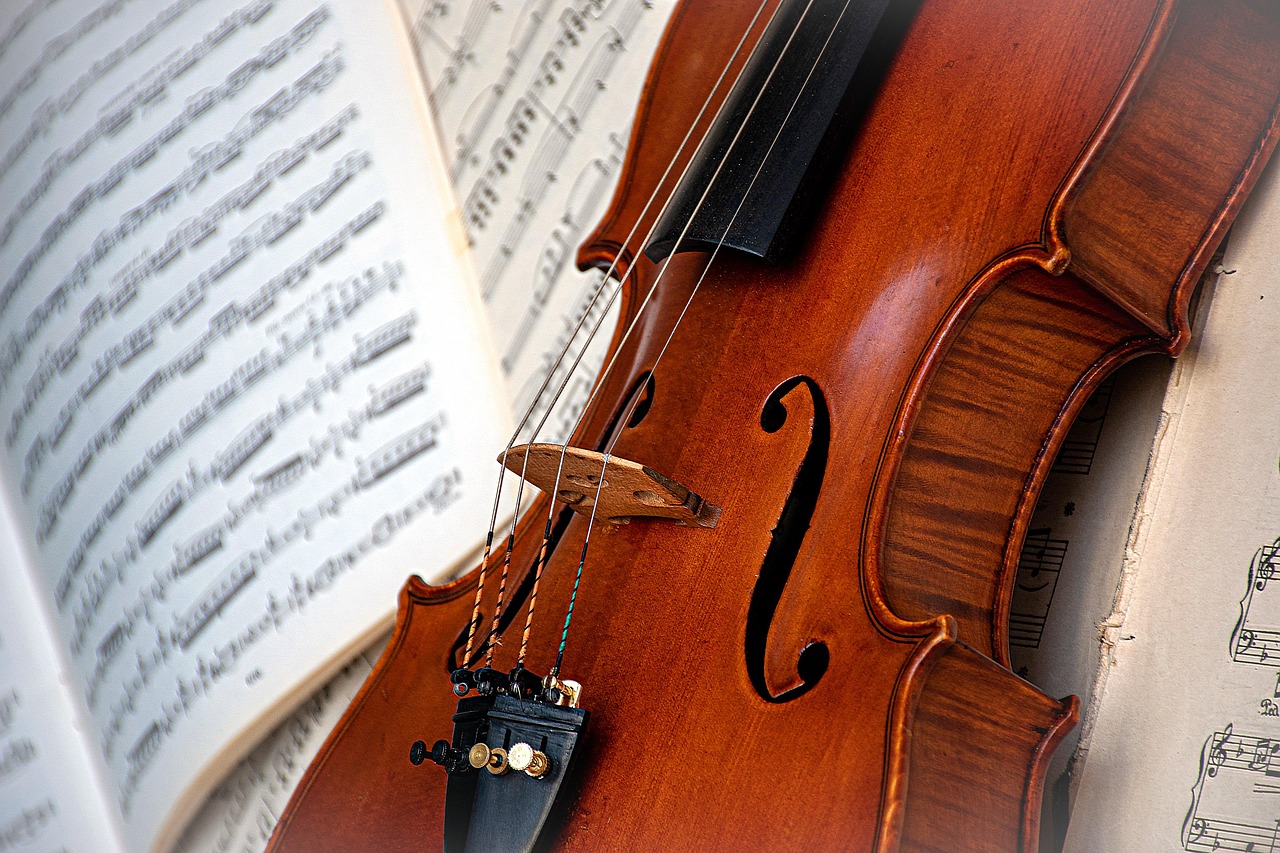
Score reading is an invaluable skill for amateur musicians exploring early repertoire. Many historical editions utilize old clefs, such as soprano, alto, or tenor clefs, which require familiarity beyond standard treble and bass. Practicing reading from open scores clarifies how individual parts relate to the whole.
Educational guides encourage amateurs to follow along with facsimile scores during listening sessions. This visual reinforcement bridges the gap between theoretical notation and practical acoustic realization.
Rehearsal Strategies for Amateur Historical Ensembles
Tuning Systems and Intonation Habits
Historical ensembles frequently utilize alternative tuning systems, such as meantone temperament, rather than modern equal temperament. These temperaments create purer intervals for certain keys while making others sound intentionally colorful or sharp. Players must train their ears to adjust pitch dynamically.
Rehearsals should incorporate dedicated time for tuning chords rather than isolated notes. Developing collaborative intonation habits ensures that polyphonic textures remain clear and consonant during performances.
Managing Dynamic Levels in Chamber Spaces
Because historical instruments project less volume than modern equivalents, performance venues must be chosen carefully. Amateurs often overplay in large rooms, distorting the delicate timbre of gut strings and underhand bows. Maintaining a controlled dynamic ceiling preserves clarity.
Ensembles should rehearse in acoustically appropriate spaces that support soft dynamics. Learning to project through resonance rather than brute force is a vital milestone for developing historical musicians.
Collaborative Sectional Workflows
Effective sectional rehearsals focus on shared articulation, unified bowing directions, and stylistic consistency. Rather than relying solely on a conductor, historical ensembles thrive on peer collaboration and shared decision-making. Members communicate non-verbally through subtle physical cues.
Establishing structured workflows during these sessions maximizes rehearsal efficiency. Amateurs can address intonation, rhythm, and phrasing systematically before bringing the full ensemble together.
Frequently Asked Questions
What is the primary difference between a viola da gamba bow hold and a modern cello bow hold?
The primary difference lies in hand placement relative to the bow hair and stick. A viola da gamba bow hold uses an underhand grip where the fingers rest directly against the hair and wood, allowing the hand to control tension flexibly. Conversely, a modern cello bow hold uses an overhand grip with the fingers draped over the top of the stick, utilizing gravity and downward leverage for greater projection and power in large concert settings.
How does the underhand bow grip affect tone production on gut strings?
The underhand grip facilitates a softer, more speech-like consonant attack on gut strings. Because players do not apply heavy downward pressure from above, the sound initiates with a gentle friction that blooms into a warm, resonant tone. This mechanical approach aligns with historical performance ideals, which prioritize vocal clarity and rhetorical nuance over sheer volume or continuous aggressive vibrato.
Is it difficult for a modern string player to transition to the viola da gamba bow hold?
Transitioning to an underhand bow hold can feel awkward initially for modern string players because it reverses familiar muscle memory. While modern players are trained to apply downward weight with the index finger over the stick, the gamba grip requires balancing the bow entirely from underneath. Consistent, mindful practice focusing on arm relaxation and wrist flexibility helps overcome this initial mechanical hurdle.
Why are alternative tuning systems important when rehearsing early string music?
Alternative tuning systems, such as historical temperaments, produce acoustically pure intervals for specific keys used by early composers. When amateur ensembles adopt these systems, chords resonate more naturally because intervals align with acoustic harmonic series. Understanding these tuning habits helps players adjust their intonation dynamically, resulting in a cleaner, more historically authentic ensemble blend during performances.
How can listeners better appreciate polyphonic textures in early consort music?
Listeners can appreciate polyphonic textures by consciously tracking individual melodic lines as they move across different instruments within the consort. Following a single voice helps reveal the intricate counterpoint and compositional design typical of Renaissance and Baroque works. Utilizing facsimile scores during listening sessions further reinforces this analytical engagement, bridging visual notation with acoustic awareness.
What seating posture is recommended for playing the viola da gamba?
Players should sit upright on a stable, flat-surfaced chair with both feet planted firmly on the floor to establish a secure lower-body foundation. Because the instrument is held vertically between the legs or supported by a strap, a stable base allows the upper torso and bowing arm to move freely. This posture prevents physical fatigue and ensures proper contact angles across all strings.