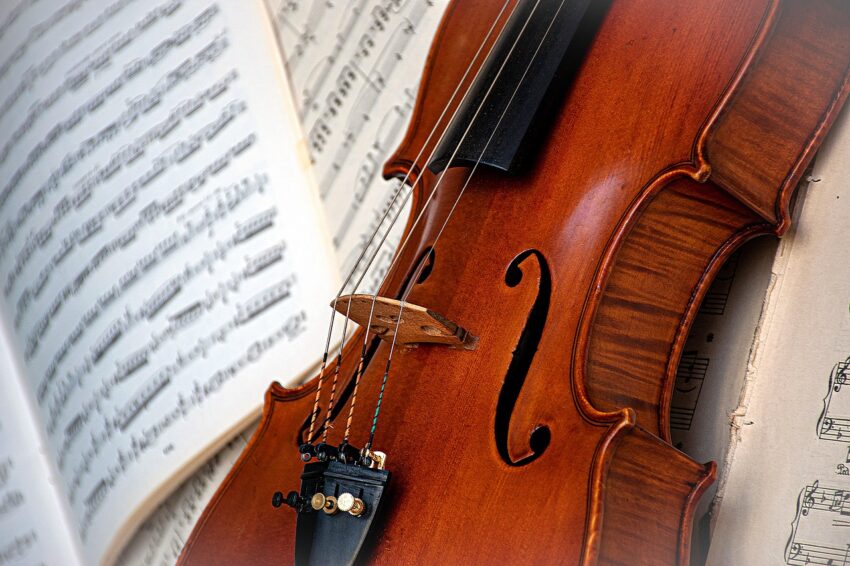
Antonio Vivaldi’s compositions featuring the viola d’amore offer a fascinating window into Baroque instrumental color, blending haunting sympathetic resonance with intricate counterpoint. For amateur orchestral musicians and active listeners, exploring these works provides deep insights into historical performance practice, score reading, and orchestral texture without requiring professional specialization.
Independent educational guides focus on practical mechanics, score analysis, and listening strategies, helping enthusiasts appreciate how Vivaldi integrated this unique instrument into his concertos. By examining string mechanics, tuning challenges, and ensemble balance, modern musicians can better understand the distinct challenges and rewards of Baroque orchestral literature.
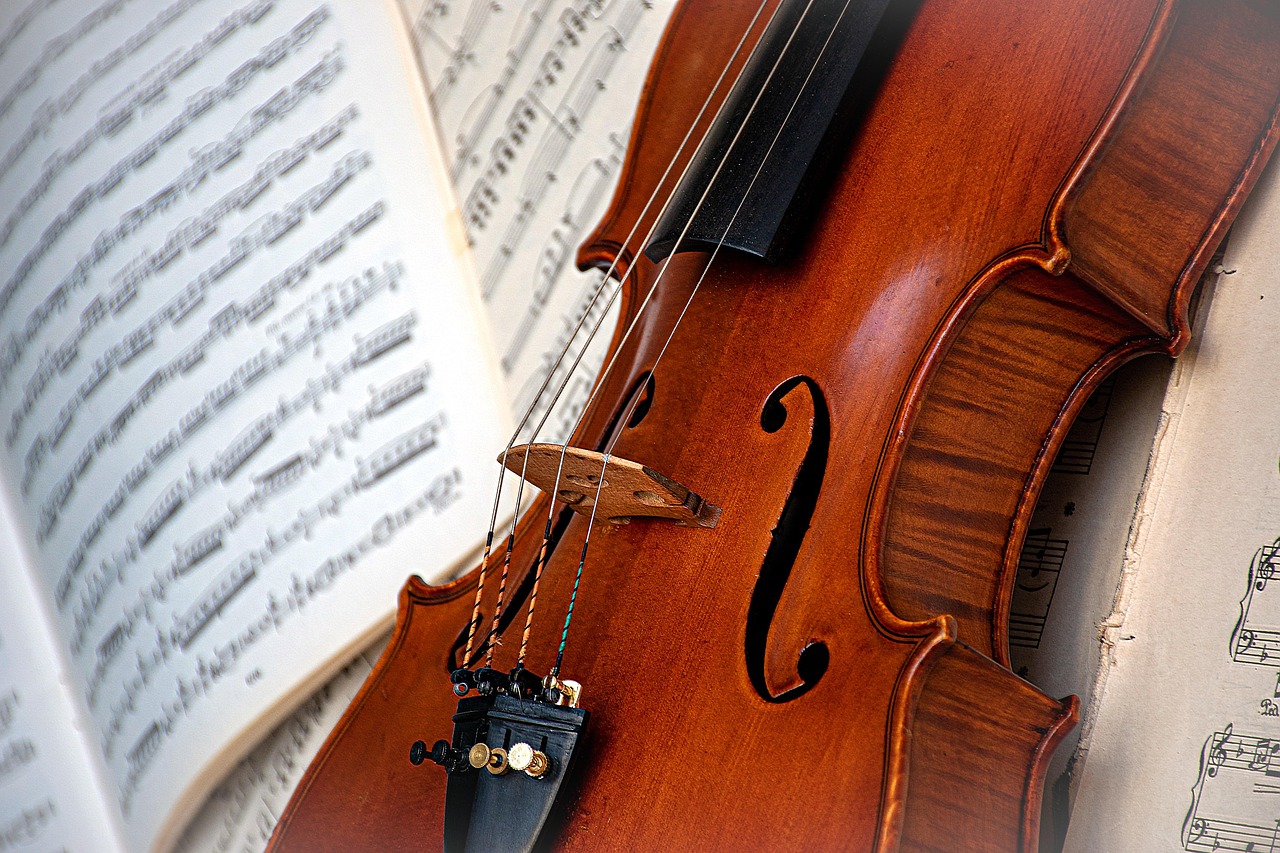
Antonio Vivaldi and the Unique Voice of the Viola d’Amore
The Baroque Context of Obsolete Instruments
The viola d’amore occupied a special place in the late Baroque soundscape, prized for its silvery, ethereal tone. Unlike standard members of the violin family, this instrument features a flat back, a wider fingerboard, and a set of sympathetic metal strings running beneath the fingerboard. Antonio Vivaldi recognized its expressive capacity, writing several solo concertos that exploit its capability for gentle melancholy and brilliant passage work.
For amateur musicians, understanding this historical context illuminates why specific performance choices are made today. Composers like Vivaldi wrote for instruments that possessed vastly different acoustic properties than modern orchestral gear. Recognizing these differences prevents anachronistic interpretations and encourages a more authentic appreciation of Baroque phrasing and dynamic contrast.
Vivaldi’s Catalog and Concerto Structures
Vivaldi composed multiple concertos specifically designating the viola d’amore, often grouping them with the lute or muted strings to enhance the intimate atmosphere. These works typically follow the fast-slow-fast ritornello structure established in Venetian concertos. The outer movements feature rapid scalar passages and arpeggios, while the middle movements highlight lyrical, vocal-like melodies.
Studying these structural patterns helps listeners anticipate thematic returns and tonal shifts. Amateur orchestral players benefit from recognizing how Vivaldi balances the soloist against the ripieno strings, ensuring the delicate acoustic profile of the viola d’amore is never overwhelmed by heavier instrumental forces.
Idiomatic Writing for Sympathetic Resonance
Writing for the viola d’amore required specialized compositional techniques that maximized the effect of the sympathetic strings. Vivaldi frequently utilized double stops, open-string drones, and arpeggiated figures that caused the underlying metallic strings to vibrate in sympathy. This created a shimmering acoustic halo around the primary notes.
Recognizing these idiomatic writing traits allows score readers to identify how texture serves an acoustic function. Rather than treating the sympathetic strings as a mere novelty, Vivaldi integrated them into the harmonic fabric, using their resonance to sustain notes and enrich chordal progressions across the ensemble.
During the Baroque period, composers frequently explored unique bowed instruments like the 7 string viola da gamba alongside Vivaldi's compositions.
Understanding Viola d’Amore String Mechanics
Construction and Sympathetic String Arrays
The physical construction of the viola d’amore sets it apart from standard orchestral strings. A typical instrument features six or seven bowed gut strings played with a conventional bow, paired with an equal number of sympathetic steel or brass strings underneath. These lower strings are tuned to match the primary chord of the piece or scale, amplifying any frequency played above them.
For listeners and instrumentalists alike, grasping this dual-string system explains the instrument’s distinctive silvery timbre. The sympathetic strings act as acoustic mirrors, reflecting sound waves and producing a continuous, gentle reverberation that mimics a natural acoustic space even in dry performance venues.
Bowing Techniques and Flat Bridges
Playing the viola d’amore requires specific bowing approaches due to the flattened bridge profile. Unlike the sharply curved bridge of a modern cello or violin, which isolates strings for single-line clarity, the flatter bridge of the viola d’amore facilitates multi-stop chordal playing and fluid crossing across adjacent strings.
Amateur string players studying historical performance practices often find that this bridge geometry changes bow arm distribution. Bow pressure must be carefully managed to engage multiple strings simultaneously without creating an overly aggressive scratchy attack, preserving the instrument’s characteristic warmth and intimacy.
Tuning Systems and Scordatura Challenges
One of the most complex aspects of the viola d’amore is its historical reliance on varying scordatura tunings. Depending on the key of the specific Vivaldi concerto, the primary and sympathetic strings were often tuned to fit specific triads or modal scales, altering the fingering patterns required by the performer.
Educational guides for amateur musicians emphasize that these tuning shifts were designed to maximize open-string resonance. For score readers, understanding scordatura explains why certain passages appear straightforward on paper yet require specialized fingering configurations to sound clean and resonant in performance.
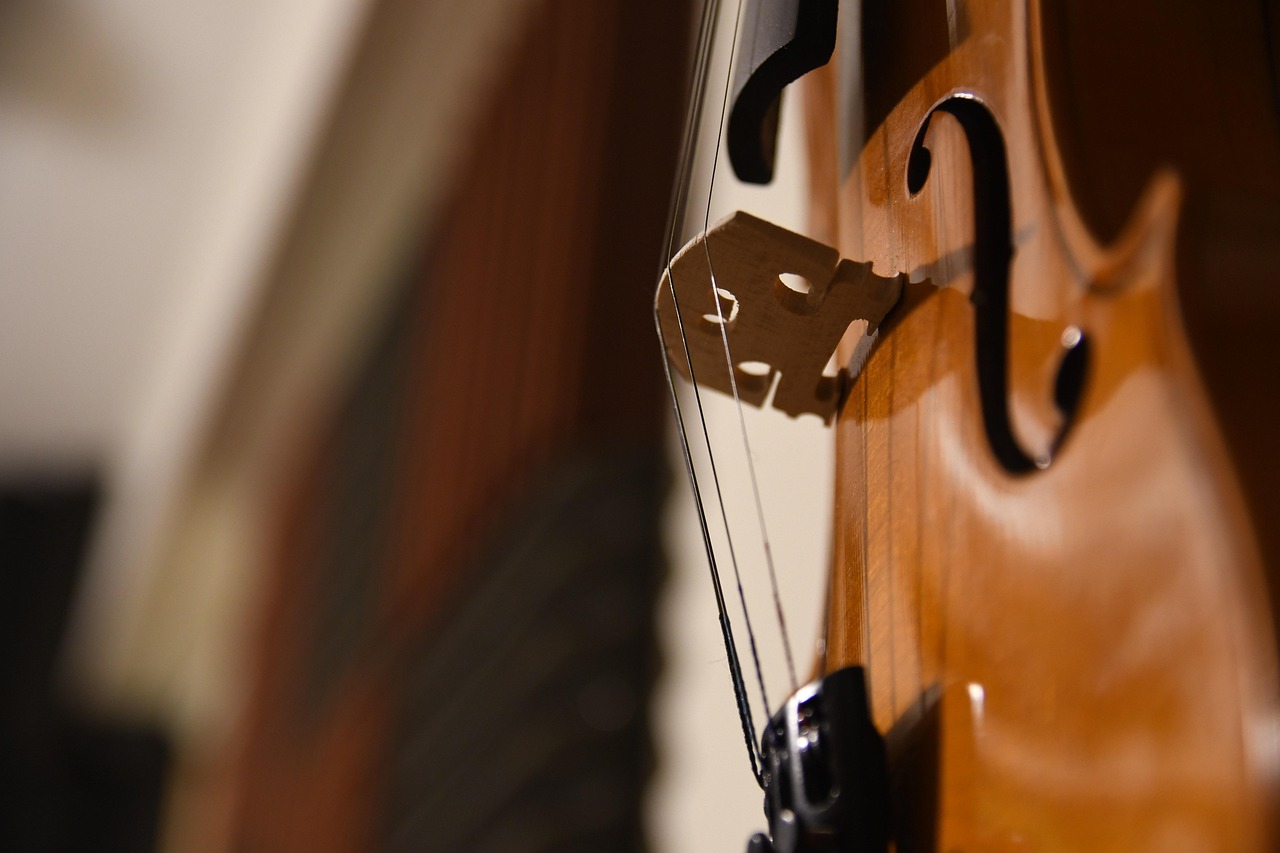
When exploring historical instruments, players often compare the resonance of the sympathetic wires to the strings on a viola.
Score Reading and Clef Fluency for Amateurs
Navigating Alto, Treble, and French Violin Clefs
Reading historical scores for the viola d’amore often requires familiarity with multiple clefs, including the alto clef, treble clef, and occasionally the obsolete French violin clef. Vivaldi’s manuscript traditions and early editions frequently utilized these clefs to keep notation within the staff without excessive ledger lines.
Developing fluency in these clefs is an invaluable exercise for amateur musicians seeking to expand their score-reading capabilities. By practicing historical clef reading, instrumentalists improve their overall sight-reading skills and gain direct access to primary source materials without relying entirely on modern transposed editions.
Decoding Vivaldi’s Partitur Layouts
Studying full scores, or partiturs, of Vivaldi’s orchestral works reveals a clear vertical organization. The viola d’amore parts are usually situated above the basso continuo line and alongside other specialized solo instruments, highlighting their dual role as both melodic leaders and textural coloring agents.
Amateur orchestral listeners can use reduced score layouts to follow complex polyphonic interactions during live performances or recordings. Tracking how the viola d’amore part weaves through the violin sections builds a deeper appreciation for Baroque counterpoint and orchestral architecture.
Harmonic Analysis of Polyphonic Textures
Vivaldi’s counterpoint in slow movements often relies on suspensions, chromatic walking basses, and rich chordal voicings that interact directly with the open strings of the viola d’amore. Analyzing these harmonic progressions helps listeners understand how tension and resolution operate on a micro-level within a concerto movement.
Educational resources encourage amateur musicians to map out key changes and cadence points while listening to recordings. This active analytical habit transforms passive listening into an engaging intellectual exercise, revealing the rigorous craftsmanship underlying seemingly effortless Baroque melodies.
Rehearsal Integration in Modern Amateur Orchestras
Blending with Modern String Sections
Integrating a historical instrument like the viola d’amore into a modern amateur chamber orchestra presents distinct acoustic challenges. Modern violins and violas project with greater volume and brilliance due to steel strings and higher string tension, potentially masking the delicate voice of the Baroque soloist.
Rehearsal conductors and section leaders must pay careful attention to dynamic balance. Modern string players often need to reduce their vibrato and soften their attack when accompanying a viola d’amore, ensuring the soloist remains audible without forcing their instrument beyond its natural acoustic limits.
Intonation Adjustments in Ensemble Settings
Intonation is particularly critical when dealing with sympathetic strings that ring continuously. If the primary strings play slightly out of tune with the underlying sympathetic array, unpleasant acoustic beats and dissonances can occur, muddying the overall harmonic clarity of the ensemble.
Chamber orchestra musicians must listen closely across sections to lock in clean tuning intervals. Practicing slow chordal passages with an awareness of sympathetic resonance helps amateur ensembles achieve the pure harmonic alignment essential for authentic Baroque performance style.
Communicating Articulation and Phrasing
Articulation in Vivaldi’s music relies heavily on speech-like rhetorical phrasing, often denoted by groupings of slurred and detached notes. In an orchestral rehearsal, ensuring that all string players adopt a unified articulation style is crucial for maintaining stylistic coherence.
Amateur musicians benefit from discussing bow strokes—such as differentiated down-bow and up-bow weights—rather than relying solely on default modern habits. Clear communication regarding articulation transforms a standard reading session into a polished, historically informed performance.
Chamber groups expanding beyond a standard string quartet violin viola cello setup can incorporate rare historical parts with careful balance.
Critical Listening Guide for Baroque Chamber Orchestras
Discerning Texture in Ritornello Form
Active listening to Vivaldi’s concertos involves tracking the alternation between the full orchestra, or ripieno, and the solo viola d’amore. The listener should note how the tutti sections establish the primary thematic material while the solo episodes introduce variations, modulations, and decorative passagework.
Recognizing these formal markers helps listeners navigate extended multi-movement works. Educational guides suggest listening for the return of the home key ritornello as a structural anchor that provides emotional and tonal closure after adventurous solo excursions.
Following Soloist-Orchestra Dialogue
Beyond formal structure, Vivaldi frequently constructs his concertos as an intimate dialogue between the solo voice and the accompanying ensemble. The orchestra may echo a melodic fragment introduced by the viola d’amore or provide a steady harmonic cushion that allows the soloist’s expressive ornaments to shine.
Developing this listening skill allows audience members to appreciate the conversational nature of Baroque chamber music. By focusing on the interplay of voices rather than just the primary tune, listeners discover hidden countermelodies and subtle harmonic shifts within the texture.
Appreciating Historical Performance Practices
Modern listeners accustomed to heavy romantic vibrato and large symphonic forces must adjust their expectations when engaging with Baroque repertoire. Appreciating historical performance practice involves valuing transparency, crisp articulation, and stylistic ornamentation over sheer volume.
Educational resources encourage listeners to compare various recordings of Vivaldi’s viola d’amore works to observe how different ensembles interpret tempo, ornamentation, and continuo realization. This comparative listening fosters a sophisticated understanding of how historical awareness shapes modern musical interpretation.
Frequently Asked Questions
What makes the viola d’amore different from a standard viola?
The viola d’amore differs primarily through its inclusion of sympathetic metal strings running beneath the fingerboard, a flat back, and a wider neck. While a standard modern viola has four strings played with a bow and is part of the violin family, the viola d’amore possesses six or seven bowed strings and an equal number of unbowed sympathetic strings that vibrate in resonance with the played notes.
Why did Antonio Vivaldi write for the viola d’amore?
Vivaldi utilized the viola d’amore for its unique, ethereal timbre and silvery resonance, which suited introspective and lyrical slow movements as well as technically demanding passage work. His concertos showcase the instrument’s ability to blend delicate melodic lines with shimmering acoustic halos produced by its sympathetic strings, expanding the expressive palette of his orchestral writing.
How do amateur musicians approach reading historical scores?
Amateur musicians approach historical scores by familiarizing themselves with obsolete clefs such as the alto and French violin clefs, and by studying standard Baroque partitur layouts. Practicing clef fluency and analyzing structural forms like the ritornello help players and listeners decode primary source materials and understand the foundational architecture of Baroque compositions.
What intonation challenges arise when playing with sympathetic strings?
Sympathetic strings amplify any frequency played on the primary strings, meaning that minor intonation flaws create noticeable acoustic beats and dissonances. Ensemble players must tune carefully and maintain precise intervals so that the sympathetic array reinforces the correct harmonic chord rather than generating clashing overtones.
How can modern chamber orchestras balance a solo viola d’amore?
Modern chamber orchestras achieve balance by reducing overall section size, limiting vibrato, and softening bow attacks in accompanying strings. Because modern instruments possess greater volume and projection, supporting musicians must consciously yield dynamic space to ensure the delicate solo voice of the viola d’amore remains clear and audible.
What listening strategies help in following Baroque concerto forms?
Listeners can follow Baroque concerto forms by identifying the recurring ripieno themes and tracking how solo episodes modulate through related keys. Paying attention to the conversational dialogue between the soloist and the ensemble reveals hidden countermelodies, rhythmic variations, and structural milestones within the music.