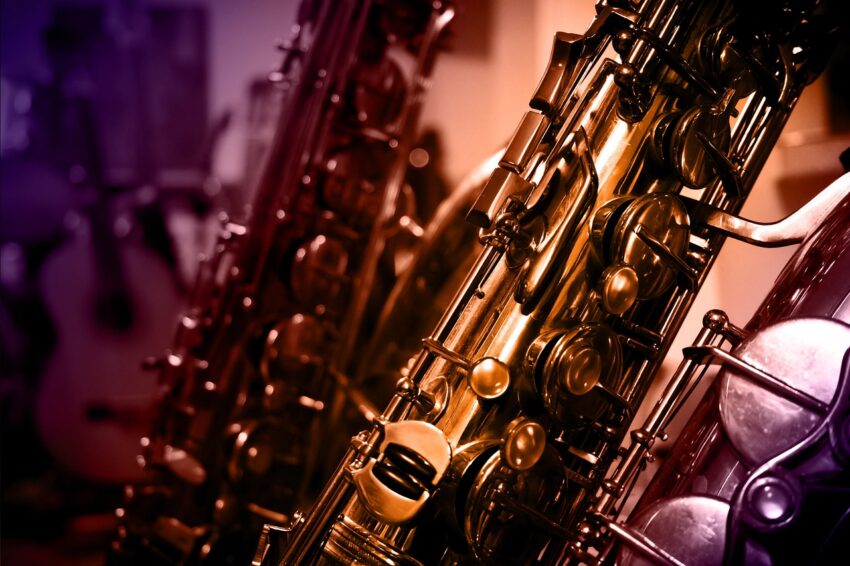
A high pitched brass instrument occupies the extreme upper register of the symphonic brass family, providing brilliant harmonic reinforcement and piercing melodic lines. In standard orchestral literature, these instruments cut effortlessly through dense textures, adding a sharp edge and shimmering brilliance to major tutti climaxes.
Amateur orchestral musicians and active listeners benefit greatly from understanding how these specialized instruments function within a large ensemble. Recognizing their distinct acoustic properties helps players manage intonation and helps listeners parse intricate counterpoint during complex symphonic movements.
Mastering the role of high register brass requires careful attention to physical endurance, bore design, and score layout. By exploring these elements, musicians improve their ensemble blending while listeners gain a deeper appreciation for orchestral balance and historical orchestration practices.
Acoustic Properties of High Brass Registers
Overtone Series Mechanics
High pitched brass instruments rely on the higher partials of the natural overtone series to produce their piercing frequencies. Players must manipulate lip tension and air speed to target these closely spaced intervals accurately.
Because the overtones sit much closer together in the upper register, pitch stability requires precise muscular control. Minor adjustments in embouchure can easily cause the note to crack or drift out of tune.
Bore Geometry and Tubing Length
The physical tubing of a high register brass instrument is significantly shorter and narrower than its lower-pitched counterparts. This compact column of air vibrates at a much faster rate, generating higher frequency sound waves instantly.
The specific taper and bell flare further shape the timbre, ensuring the tone remains focused rather than spreading out into the room. This concentrated acoustic energy allows the sound to project efficiently over full string sections.
Directionality and Projective Physics
High frequency sound waves travel in highly directional beams compared to the omnidirectional spread of lower brass instruments. Listeners seated directly in the path of the bell experience a much more intense sonic impact.
Orchestral seating arrangements often account for this high directivity by pointing upper brass instruments toward reflective acoustic shells or away from vulnerable woodwind sections to maintain proper balance.
For closely related guidance, see classical music period instruments.
Historical Evolution in Orchestral Scoring
Natural Brass Limitations
Early orchestral works utilized natural brass instruments that lacked valves, forcing performers to play entirely within the highest harmonic partials to produce scalar melodies. Composers wrote specific fanfare figures that stayed within these strict harmonic limits.
Players relied heavily on hand-stopping techniques to alter pitches, though upper register writing remained inherently risky. The resulting textures gave classical and early romantic scores a bright, martial character during grand tutti sections.
The Advent of Valved Instruments
The invention of rotary and piston valves revolutionized high brass instrument design by filling in the gaps between natural overtone partials. Composers could suddenly write chromatic passages in the upper register with unprecedented reliability.
This technological shift allowed orchestral arrangers to integrate high brass voices into lyrical melodies rather than reserving them solely for rhythmic accents, radically expanding the expressive palette of the symphony orchestra.
Modern Orchestral Expectations
Contemporary orchestral literature frequently demands extreme agility and endurance in the high register. Modern performers utilize specialized smaller instruments to execute these demanding passages with consistent tone quality and intonation.
Orchestral listeners today expect pristine clarity even during fortissimo passages. Composers write with sophisticated awareness of modern instrumental capabilities, pushing players to navigate complex harmonic landscapes safely and effectively.
For closely related guidance, see biggest instrument in orchestra.
Listening Strategies for Complex Textures
Identifying Timbres in Tutti Passages
Discerning a high pitched brass instrument amidst a roaring orchestral tutti requires active listening and familiarity with specific overtone characteristics. The bright, metallic core of the sound stands apart from woodwinds and violins.
Listeners can train their ears by focusing on the highest voice in chordal structures. This top line often carries the emotional peak of a melodic phrase, guiding the listener through turbulent harmonic shifts.
Balancing Counterpoint with Strings
When high brass instruments double string melodies, they introduce a distinct edge that alters the overall color of the line. Recognizing this interaction helps amateur musicians understand how orchestral balance is achieved.
Composers often use this combination to project a theme across a massive hall. Listeners should notice how the brass amplifies the string articulation without completely masking the underlying bow friction texture.
Recognizing Register Shifts in Score Reading
Following a score containing high brass parts requires attention to transposition and clef changes. Many upper register instruments are pitched in high keys, demanding careful score study to track actual sounding pitches.
Amateur musicians using study scores should note how composers distribute voice leading in the upper staff. Recognizing these shifts visually enhances the auditory experience during live orchestral performances.
For closely related guidance, see instruments in peter and the wolf.
Rehearsal Dynamics for Amateur Ensembles
Intonation Challenges in Extreme Registers
Playing in the upper register introduces severe intonation tendencies that can destabilize an entire amateur section. High notes often sound sharp if the player forces the air stream without proper breath support.
Ensemble directors must encourage players to listen down to the fundamental bass notes rather than tuning solely within their own section. Regular collaborative tuning exercises help mitigate these persistent pitch discrepancies.
Endurance Management and Rest Intervals
The physical exertion required to maintain embouchure tension for high brass playing leads to rapid fatigue. Amateur musicians must carefully monitor their stamina during lengthy rehearsal blocks to prevent injury.
Conductors and players should utilize scheduled resting periods during movement transitions. Effective pacing ensures that performers can deliver secure, high-register entries without straining their facial muscles.
Acoustic Blending with Woodwind Sections
High brass instruments frequently double or complement high woodwind parts, creating hybrid orchestral timbres. Blending these disparate families requires conscious dynamic control from every involved musician.
Brass players must soften their attack to match the warmer, more diffuse sound of flutes or oboes. Rehearsal time dedicated to cross-section listening yields a cohesive, unified orchestral voice.
Frequently Asked Questions
What distinguishes a high pitched brass instrument from standard orchestral brass?
A high pitched brass instrument features a significantly shorter, narrower tubing bore designed specifically to produce frequencies in the upper harmonic spectrum. While standard instruments cover broader middle and lower ranges, these specialized upper voices prioritize brilliance and projection.
This distinct physical geometry requires specialized mouthpiece designs and exceptional embouchure control. Performers use these instruments to execute soaring melodic lines that must project clearly over full orchestral textures.
How should amateur listeners follow high brass parts during dense orchestral passages?
Listeners can track high brass parts by focusing on the uppermost voice of major chord progressions and melodic climaxes. Training the ear to isolate the bright, metallic timbre helps separate the brass from surrounding upper strings and woodwinds.
Following along with a miniature score or listening guide during recorded playback further clarifies how these instruments interact with the rest of the orchestra. Paying attention to rhythmic entrances provides immediate structural orientation.
Why do high brass parts require such rigorous physical endurance in rehearsal?
Sustaining high frequencies on a brass instrument demands continuous, intense isometric muscular tension in the embouchure coupled with high air pressure. This localized physical load fatigues the facial muscles much faster than lower register playing.
Amateur players must practice structured pacing and take advantage of multi-bar rests to recover. Without proper management, fatigue compromises pitch stability, tone quality, and overall ensemble confidence.
How do amateur musicians handle transposition when reading parts for a high pitched brass instrument in study scores?
Studying orchestral scores containing a high pitched brass instrument requires careful attention to transposition, as many of these upper register voices do not sound at concert pitch. Amateur musicians must calculate the specific interval shift indicated at the start of the staff to accurately determine the actual sounding frequencies heard during live symphonic performances.
When analyzing complex orchestrations, developing players benefit from penciling in concert pitches above the transposed staff during initial score study. This proactive practice bridges the gap between visual notation and auditory recognition, helping both amateur musicians and active listeners follow intricate counterpoint, chordal structures, and inner voice leading across varying historical repertoire without losing track of the harmonic foundation.
How do players blend a high pitched brass instrument with high woodwinds like flutes and oboes without overpowering them?
Blending a high pitched brass instrument with delicate woodwind sections requires extreme dynamic restraint and careful listening from every performer. Because brass harmonics project with intense metallic brilliance, players must soften their articulation and warm up their tone to match the more diffuse acoustic profile of flutes and double reeds.
During chamber-like passages within orchestral works, directors often ask brass musicians to back off completely until the exact moment a unified hybrid color is required. Rehearsing these cross-section blend moments independently allows performers to calibrate their volume levels, ensuring the resulting orchestral texture remains balanced and transparent rather than dominated by aggressive upper partials.
Why do high pitched brass instruments frequently tend to play sharp during loud ensemble passages, and how can sections correct this?
High pitched brass instruments naturally tend to rise in pitch during forceful tutti orchestral passages because performers instinctively increase air pressure and facial muscle tension to secure high notes. This physiological reaction compresses the internal air column too rapidly, pushing the fundamental frequency sharp above the standard ensemble tuning reference point.
To counteract this persistent tendency, amateur sections must practice active listening that prioritizes lower fundamental bass notes rather than tuning solely inward. Ensemble directors should incorporate targeted dynamic restraint exercises, teaching musicians how to maintain supported, relaxed air streams without overblowing the instrument, which successfully stabilizes intonation across the entire upper register.
How do orchestral seating arrangements accommodate the intense directionality of a high pitched brass instrument in live concert halls?
Orchestral seating layouts strategically account for the highly directional sound waves produced by a high pitched brass instrument to prevent acoustic masking. Because high frequency beams project straight out of the bell with concentrated energy, conductors often position these instruments toward the back or side of the stage near reflective acoustic shells.
This placement ensures that the sound disperses evenly throughout the hall rather than blasting directly into vulnerable woodwind or string sections sitting immediately downstage. Amateur musicians benefit from observing these spatial configurations, recognizing that physical placement plays a vital role in achieving transparent orchestral balance during complex performances.