Period instruments recreate the sonic world of eighteenth- and nineteenth-century classical music using historical construction methods, gut strings, and unvalved or early-valved mechanisms. For amateur orchestral musicians and informed listeners, engaging with these instruments transforms our understanding of articulation, balance, and phrasing in core symphonic repertoire.
Unlike modern orchestral instruments designed for maximum projection in vast concert halls, historical period instruments favor transparent textures, rapid decay, and complex overtones. These acoustic qualities align directly with the stylistic demands of Haydn, Mozart, Beethoven, and early Romantic composers, changing how ensembles approach tuning, intonation, and dynamic scaling.
Exploring this performance practice does not require abandoning modern gear entirely, but rather understanding how historical constraints shaped compositional choices. By examining string materials, historical woodwind keys, and period rehearsal techniques, musicians gain practical insights into reading historical scores and interpreting dynamic markings accurately.
Historical String Mechanics
Gut String Construction and Tension
Classical-era string sections relied primarily on plain sheep gut for upper strings and silver-wound gut for lower registers. These strings operate under significantly lower tension than modern steel strings, yielding a softer foundational attack and a warmer, more resonant acoustic envelope.
Players must adjust their bow speed and weight distribution to accommodate this lower tension, allowing the instrument to speak naturally without forcing the core sound. Maintaining stable pitch requires patience, as gut strings are notoriously sensitive to humidity and temperature fluctuations.
Bow Design and Articulation
Period bows feature a convex stick profile, tapering significantly toward the tip, which contrasts sharply with the heavy, concave modern Tourte-style bow. This construction naturally produces a diminuendo on sustained notes and effortless articulation for rapid classical phrasing.
Amateurs transitioning to historical bows should practice off-the-string strokes and early articulation patterns where the downbow does not automatically imply a heavy accent. This mechanical shift helps reveal the inherent rhetorical speech patterns written into eighteenth-century string parts.
Fingerboard Angle and Bridge Profiles
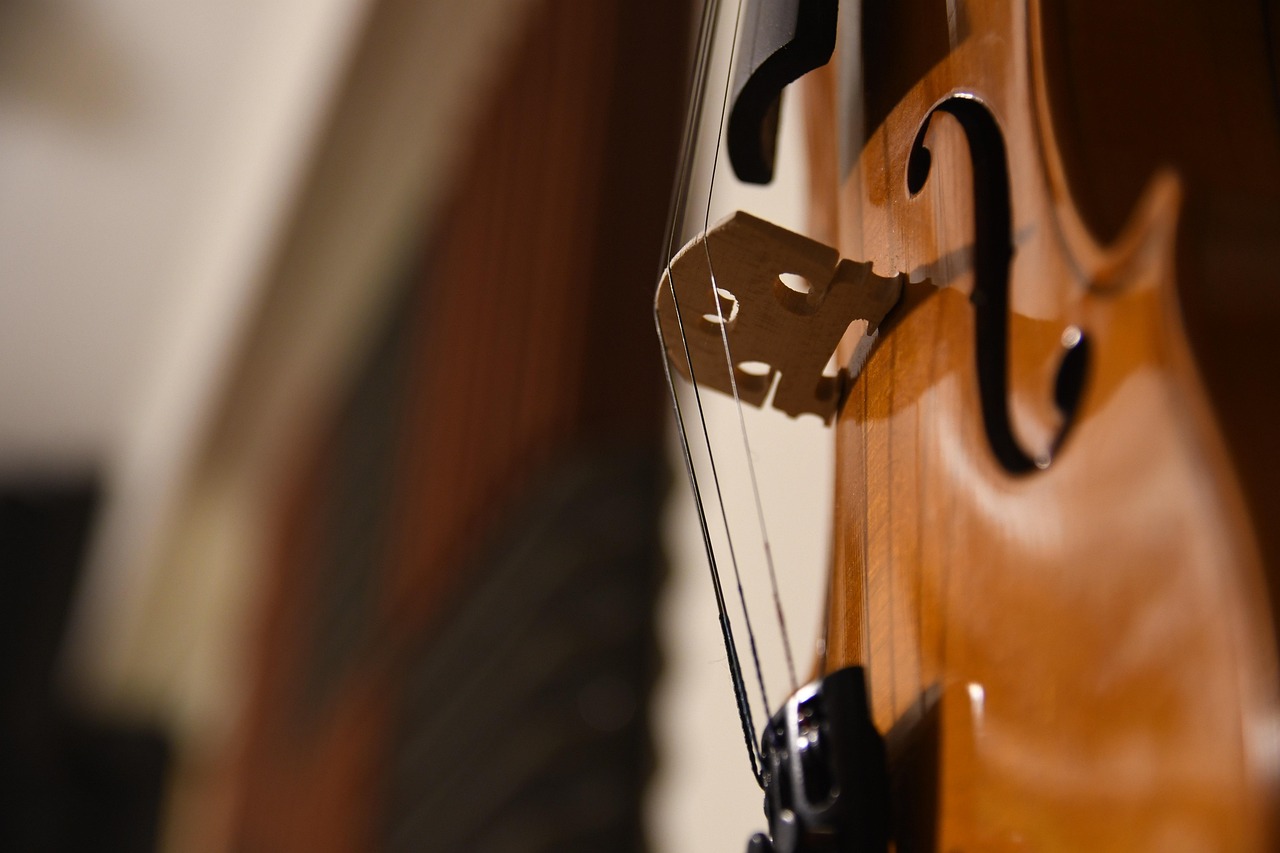
Original instruments often feature shorter, flatter fingerboards coupled with lower bridges and unangled necks. This setup alters string clearance and encourages lighter, more agile shifting techniques across historical finger patterns.
Musicians encountering these historical geometries must refine their left-hand posture to avoid excessive finger pressure, which can pull softer gut strings sharp. The lower bridge also limits maximum volume output, necessitating a collaborative approach to balance within the broader orchestral texture.
For closely related guidance, see high pitched brass instrument.
Woodwind Timbral Characteristics
Simple-System Flutes and Intonation
Classical-era flutes, typically crafted from boxwood with a single key or a modest set of additional keys, produce a distinctively breathy, intimate timbre. Unlike the loud, uniform modern metal flute, simple-system instruments possess uneven tonal colors across different keys and registers.
Players navigating these instruments must utilize alternative fingering charts and embouchure adjustments to correct inherent intonation quirks. Listening carefully to the surrounding string texture ensures that the flute blends rather than dominates the chamber-scale orchestral framework.
Historical Oboes and Reeds
Period oboes feature narrower bores, fewer keys, and wider, more pliable reeds than their modern counterparts. This configuration yields a pungent, vocal quality that cuts cleanly through string textures without relying on aggressive air pressure or forceful embouchure tension.
Managing dynamic range on a classical oboe demands precise breath control and a willingness to embrace the instrument’s natural color changes. Composers frequently exploited these timbral shifts to highlight solo passages against sparse accompaniment textures in symphonic slow movements.
Classical Clarinets and Bassoons
Early clarinets retain a modest key count and rely heavily on thumb placement and barrel positioning to secure stable intonation. Their wooden chalumeau register sounds rich and woody, providing a stark, warm contrast to the bright clarion register above.
Historical bassoons utilize complex fingering combinations across multiple small keys to maintain evenness through awkward scale passages. Orchestral players must carefully balance their reeds to achieve the agile, articulate bass lines required in standard classical repertoire without sounding overly heavy.
For closely related guidance, see instruments in peter and the wolf.
Score Reading and Orchestral Balance
Interpreting Dynamic Markings
Dynamic notations in classical scores carry different implications when executed on period instruments compared to modern setups. A forte marking often signifies maximum clarity and brilliance rather than sheer decibel volume, while piano implies intimate chamber-like transparency.
Conductors and section leaders must analyze the orchestration density to determine appropriate volume levels. When brass and timpani are absent, string and woodwind sections can project delicate nuances that would be completely obscured on modern gear.
Balancing Texture and Polyphony
Classical orchestration relies heavily on transparent contrapuntal lines where every voice remains audible. Period instruments facilitate this balance naturally through their fast transient attack and rapid acoustic decay, preventing middle-voice textures from becoming muddy.
Score readers should study inner voice movements with the assumption that counter-melodies played by seconds or violas carry equal weight to the primary theme. Recognizing this structural design enhances rehearsal focus on secondary lines during orchestral sectionals.
Understanding Historical Pitch Standards
Historical pitch varied wildly across regions and decades, with common standards resting significantly lower than modern concert pitch. Ensembles performing period repertoire frequently adopt A equals 430 or 435 hertz to reduce excessive string tension and match historical wind instrument scaling.
Amateurs must verify transposition requirements and ensure their instruments can accommodate these lower tuning references without compromising stability. Lower pitch also warms the overall ensemble timbre, creating a distinctly relaxed acoustic resonance in standard classical works.
For closely related guidance, see sounds of instruments of the orchestra.
Rehearsal Approaches for Period Ensembles
Sectional Tuning and Intonation Habits
Intonation on period instruments requires flexible ear training based on expressive just intonation rather than rigid equal temperament. String players must constantly adjust double stops and chordal roots relative to open strings and historical wind fingerings.
Rehearsals benefit from dedicated tuning sessions focusing on major and minor triads within the specific key signature of the piece. Developing this collective sensitivity improves overall ensemble blend far more effectively than relying solely on electronic tuning devices.
Adapting Vibrato Usage
Historical performance practice treats vibrato as an expressive ornament rather than a continuous default tone color. String players employ a clean, straight tone for structural foundation, reserving finger oscillation for climactic high points and emotional cadences.
Wind and string sections must coordinate their expressive habits to avoid stylistic clashes within the ensemble. Introducing vibrato selectively highlights specific melodic phrases, aligning closely with eighteenth-century treatises on vocal and instrumental delivery.
Articulation and Bow Distribution
Rehearsing classical repertoire with period instruments demands meticulous attention to articulation markings such as slurs, dots, and wedges. These symbols guide bow allocation and consonant weight, ensuring that rhythmic figures speak with speech-like clarity.
Ensembles should practice passages at reduced tempos while exaggerating historical stroke patterns before returning to performance speed. This method builds muscular memory for lighter bow movements and prevents unintentional heavy accents on weak beats.
Frequently Asked Questions
How do period instruments change orchestral balance compared to modern setups?
Period instruments produce a more transparent, lighter acoustic footprint due to lower string tension, unvalved brass limitations, and smaller woodwind bores. This natural balance allows inner voices and complex counterpoint to emerge clearly without forcing individual sections to overplay.
Consequently, modern conductors must rethink balance strategies, as traditional assumptions about heavy bass lines or dominating brass will overwhelm historical winds. Amateurs benefit from listening across the entire ensemble rather than focusing solely on their own section’s output.
Can amateur musicians play period instruments without professional training?
Amateur players can certainly explore period instruments, provided they approach the mechanical differences with patience and humility. While mastering historical bowings and alternative fingerings takes time, many community orchestras and workshops welcome enthusiastic musicians.
Safety considerations include monitoring physical tension carefully, as awkward historical ergonomics and lower string resistances require adjusted posture. Players should consult specialized teachers or experienced mentors to avoid repetitive strain injuries when transitioning.
What should listeners listen for when attending period instrument concerts?
Listeners should focus on the distinctive tonal colors, clean articulation, and surprising clarity of inner voice movement. The absence of heavy, continuous vibrato allows harmonic shifts and dissonances to resolve with striking emotional impact.
Paying attention to the natural decay of gut strings and the woody resonance of historical woodwinds reveals how classical masterpieces sounded to their original audiences. This listening perspective enhances appreciation for historical composition and performance artistry.
How do modern critical editions differ from historical score prints regarding articulation?
While modern critical editions consult primary sources to restore authentic readings, standard commercial performing editions frequently supply standardized slurs, dynamic shifts, and articulation markings based on later editorial consensus. When approaching period instruments, musicians benefit from comparing critical urtext editions with historical prints and facsimiles to discover unedited bowing cues, shorthand phrasing marks, and composer-specific nuances that conventional performing editions often smooth over.
Relying on these primary sources helps players uncover authentic rhetorical accents and speech-like declamation patterns originally intended by the composer. Amateurs should actively compare modern rehearsal scores with historical parts to understand how editorial standardization can inadvertently obscure the transparent textures, rapid string decay, and distinct articulation capabilities native to eighteenth-century orchestral writing.
What daily maintenance steps are necessary to keep gut strings stable during orchestral rehearsals?
Plain sheep gut strings are exceptionally sensitive to ambient temperature and humidity shifts, requiring consistent stabilization routines before every single playing session. Musicians must apply specialized lubricants or peg compound to ensure smooth tuning adjustments and carefully wipe down all strings immediately after playing to remove corrosive rosin and moisture accumulation.
Allowing extra time for newly tuned gut strings to stretch and settle is essential, as historical materials take considerably longer to hold pitch than modern steel equivalents. Keeping a stable instrument case environment and avoiding sudden environmental transitions prevents premature string breakage while preserving the warm, resonant acoustic envelope throughout extended orchestral rehearsals and sectionals.
How do historical temperament systems impact sectional tuning in amateur period ensembles?
Historical temperament systems, such as well-temperament or meantone variations, create unequal interval sizes across different keys rather than the flat standardization of modern equal temperament. Consequently, home keys sound remarkably sweet and resonant, while remote keys possess distinct, expressive harmonic tensions that directly influence how orchestral sections construct clean vertical chords.
Orchestral members must adjust their intonation flexibly by ear, tuning specific intervals relative to harmonic roots rather than locking blindly onto rigid electronic tuners. Rehearsals incorporating these historical tuning frameworks require players to understand key color characteristics, helping string and woodwind sections resolve major and minor triads authentically within the complex harmonic landscape of classical repertoire.