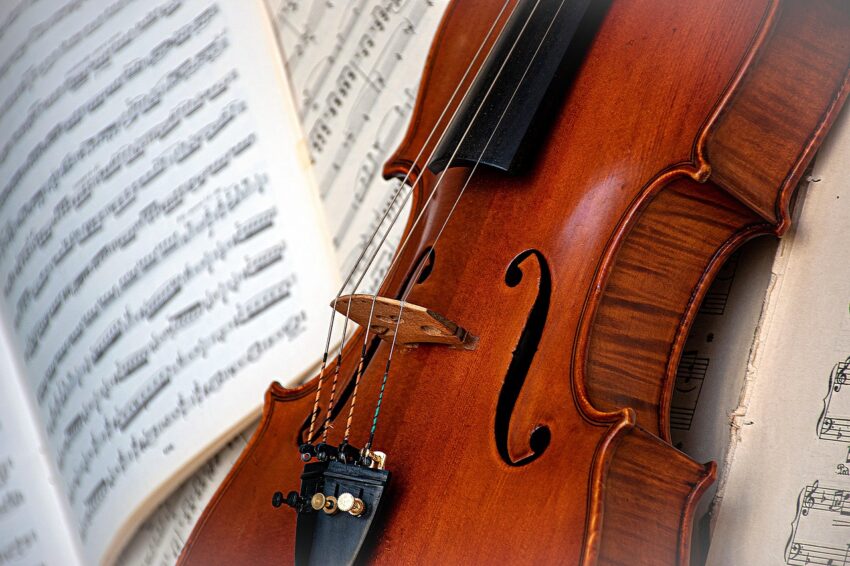
Camille Saint-Saëns composed his famous tone poem Danse Macabre, Op. 40, utilizing a primary time signature of 3/4 time to establish a macabre, skeletal waltz. This characteristic meter provides the foundational rhythmic pulse for the entire orchestral framework, driving the eerie narrative forward.
For amateur orchestral musicians and score readers, recognizing this 3/4 metrical structure is essential for executing the appropriate stylistic phrasing, articulations, and ensemble balance. The piece relies heavily on subverting this classical waltz meter to evoke midnight skeletal dances.
Understanding how Saint-Saëns manipulates this simple time signature offers valuable insight into nineteenth-century orchestration, rhythmic tension, and programmatic storytelling within symphonic literature without requiring complex metric modulations.
Metrical Framework and Waltz Pulse
The 3/4 Time Signature Foundation
The primary time signature of Saint-Saëns’ symphonic poem is 3/4, structuring the work around a classic triple meter. This rhythmic choice immediately associates the music with the popular nineteenth-century waltz form, providing a familiar framework for listeners.
However, rather than celebrating romance or elegance, this 3/4 meter is co-opted to represent skeletal figures dancing awkwardly in a graveyard. The downbeat receives a distinct emphasis, echoing the rigid, jerky movements of midnight phantoms springing from their tombs.
Tempo Markings and Agogic Accents
Saint-Saëns indicates the tempo as “Mouvement de valse moderé,” instructing the orchestra to maintain a moderate waltz speed. This pacing is crucial for allowing string players to articulate rapid passages without sacrificing rhythmic stability or clarity.
Conductors typically direct this 3/4 meter in one beat per bar, grouping the three quarter notes into a single sweeping motion. This single-beat pulse helps musicians avoid a heavy, pedestrian three-four feel and achieves the desired airborne, spectral lightness.
Subverting the Traditional Waltz Feel
While the score is notated in 3/4 time, the composer frequently disrupts conventional waltz expectations through unexpected accents and dynamic spikes. These rhythmic distortions destabilize the predictable pulse, creating an unsettling atmosphere for the audience.
Amateur musicians must pay close attention to off-beat reinforcements and sudden fortpiano markings that defy the standard waltz cadence. Recognizing these deviations ensures the orchestral texture retains its eerie, unpredictable theatricality throughout performance and rehearsal.
When studying this ghostly waltz, comparing its rhythm to a standard four four time signature reveals distinct structural differences.
For closely related guidance, see 4 4 time signature example.
Orchestration Mechanics of the Ghostly Dance
Solo Violin and the Tritone Tuning
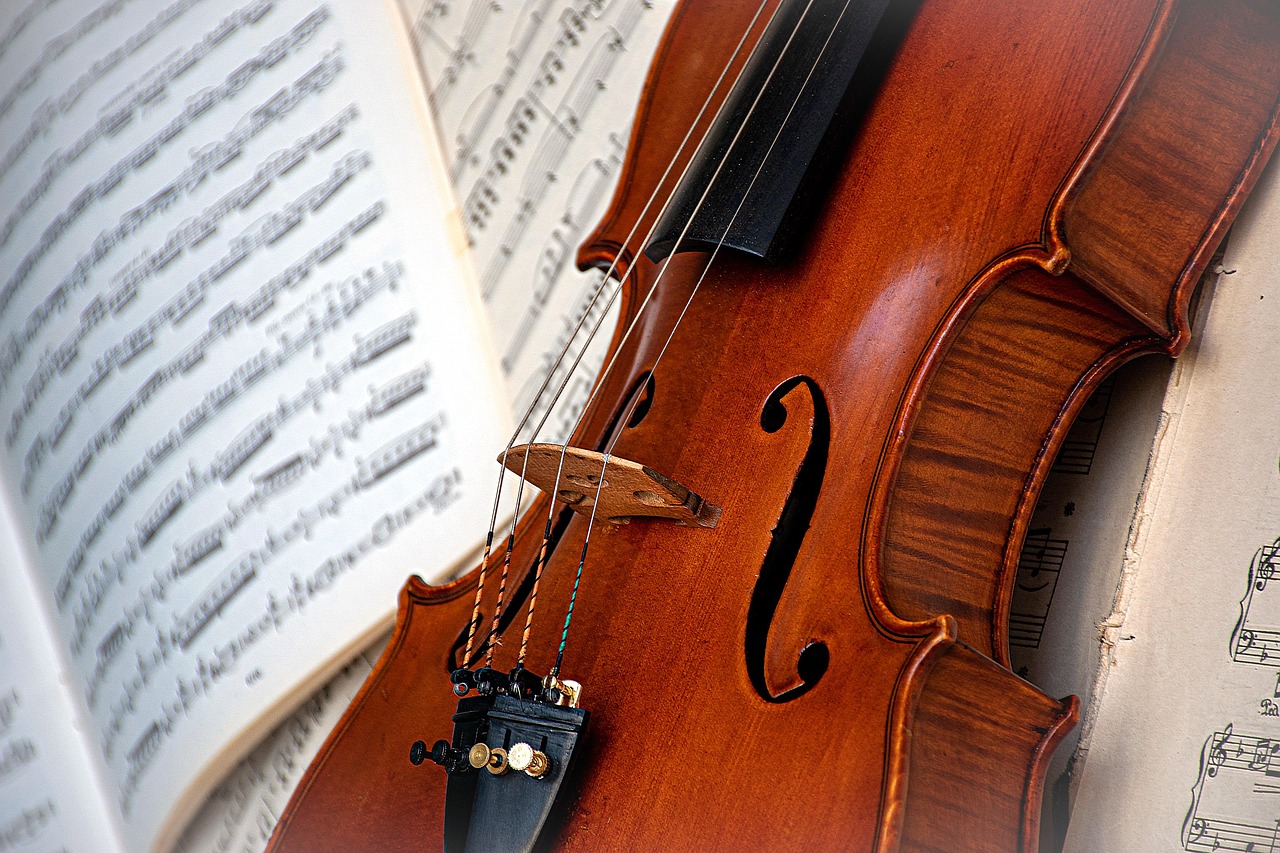
The solo violin sets the eerie tone of the work by tuning its E string down to E-flat, creating a dissonant tritone interval known historically as the diabolus in musica. This tuning underpins the 3/4 framework with an unmistakable hint of supernatural peril.
String players analyzing the score will notice how this unstable harmonic foundation interacts with the steady 3/4 meter. The juxtaposition of a skewed violin tuning against a strict waltz pulse highlights the stylistic brilliance of Saint-Saëns’ orchestration.
Woodwind Interventions and Timbral Color
Flutes, oboes, and clarinets inject sharp, mocking commentary into the ongoing 3/4 waltz, utilizing bright registers to mimic skeletal laughter. These woodwind countermelodies often operate on cross-rhythms, weaving independently above the steady low string accompaniment.
Orchestral listeners can easily trace how these wind interventions disrupt the simplistic triple meter. By injecting sudden bursts of color and articulation, woodwinds prevent the repetitive 3/4 accompaniment figures from becoming monotonous during extended programmatic passages.
Percussion and the Midnight Clock
The xylophone makes a prominent appearance, explicitly imitating the rattling bones of skeletons dancing on xylophonic pitch levels. This percussion integration reinforces the 3/4 meter with dry, skeletal clarity, cutting through the dense orchestral texture.
Meanwhile, the harp and low strings mark the structural boundaries of the dance, occasionally recalling the striking of the midnight hour. These metrical landmarks help anchor the ensemble, ensuring that complex woodwind and string interactions remain synchronized.
Score Reading and Structural Navigation
Following the Waltz Meter on the Page
When studying the full score, readers will find the 3/4 signature clearly marked at the outset, persisting through the majority of the developmental sections. Tracking this constant meter allows analysts to observe thematic transformations without metric confusion.
Visualizing the score layout helps listeners connect recurring motifs with their underlying waltz structure. As the dynamics swell and subside, the consistent 3/4 bar lines provide a reliable grid for measuring the acceleration of narrative tension.
Navigating Dynamic Shifts within 3/4
Dynamic contrasts within the 3/4 framework are vital for executing the programmatic narrative of the tone poem. Saint-Saëns moves abruptly from whispered pianissimo passages to terrifying fortissimo orchestral unisons without altering the fundamental meter.
Score readers should observe how these sudden volume changes coincide with specific beats in the measure. Often, an unexpected dynamic accent lands on the second or third beat, intentionally destabilizing the expected hierarchy of the 3/4 bar.
Anticipating Meter and Tempo Transitions
Although 3/4 dominates, the score includes subtle tempo fluctuations, such as faster development sections that simulate the frantic height of the midnight revelry. Musicians must read ahead to anticipate these gradual accelerations smoothly.
Recognizing preparatory bars in the score prevents sectional lag during rehearsals. By keeping an eye on transitional measures, both strings and woodwinds can adjust their subdivision strategies before the conductor officially signals a tempo or dynamic shift.
Conductors must also look beyond a typical compound six eight time signature when navigating these specific score measures.
Rehearsal Strategies for Amateur Ensembles
Mastering the One-Beat-Per-Bar Feel
Amateur orchestras often struggle with 3/4 time by over-accenting every single quarter note, which creates a heavy, dragging march rather than a fluid waltz. Rehearsals should focus on establishing a single sweeping beat per measure early on.
Conductors frequently rehearse this by having sections whisper or bow lightly on the downbeat while keeping beats two and three extremely buoyant. This technical adjustment immediately transforms the ensemble sound into a lighter, more appropriate ghostly atmosphere.
Sectional Coordination for String Players
String sections must coordinate distinct bowing strategies to maintain the crisp articulation required for the skeletal dance. Up-bows and down-bows should be carefully mapped out to preserve the intended accents on the 3/4 meter.
Practicing slow-tempo run-throughs helps string players synchronize their spiccato or staccato strokes. Ensuring uniform bow distribution across violins and cellos prevents the texture from blurring when the orchestra accelerates toward the fiery climax of the piece.
Woodwind Intonation in Metric Contexts
Woodwind players navigating fast passages against a steady 3/4 string accompaniment must prioritize intonation during dynamic crescendos. High registers in flutes and clarinets tend to sharp when played loudly, disrupting the macabre tone.
Ensemble rehearsals should isolate woodwind chords to check pitch alignment against the foundational string harmony. Maintaining secure intonation within the strict waltz framework preserves the haunting, otherworldly quality essential to Saint-Saëns’ distinct orchestration design.
Frequently Asked Questions
What is the exact time signature of Danse Macabre?
Camille Saint-Saëns primarily sets Danse Macabre in 3/4 time, establishing a clear triple meter that mimics a distorted waltz. This foundational time signature remains constant through the vast majority of the symphonic poem’s structural layout.
While various secondary themes and tempo modifications occur throughout the piece, the overarching metric framework stays firmly rooted in this ghostly 3/4 waltz meter, driving the programmatic narrative from midnight until the dawn roosters crow.
How should amateur orchestras practice the 3/4 waltz tempo?
Amateur orchestras benefit greatly from practicing the 3/4 meter with a one-beat-per-bar conducting pattern rather than beating out all three quarter notes. This helps prevent the ensemble from dragging and encourages a light, airborne waltz feel.
Ensembles should also practice sectional breakdowns at reduced tempos, focusing heavily on clean articulations and precise placement of off-beat accents before attempting the full performance speed requested by the composer’s moderate waltz marking.
Are there any meter changes or shifting time signatures in the piece?
No, Saint-Saëns does not employ complex metric modulations or shifting time signatures within Danse Macabre. The entire orchestral work remains strictly within the 3/4 time signature established at the very beginning of the score.
Instead of changing meters, the composer creates rhythmic variety, tension, and excitement through dynamic contrasts, clever cross-rhythms, tempo accelerations, and brilliant orchestration tricks that subvert the listener’s expectations within the unchanging 3/4 framework.
How do string players manage bowing mechanics to keep the 3/4 meter feeling skeletal rather than heavy?
String players must carefully plan bow distribution to avoid dragging the 3/4 meter into a heavy, plodding march. Because Saint-Saëns relies on an emphasized downbeat to evoke jerky skeletal movements, sections should utilize crisp, detached strokes like spiccato on the primary beat. Beats two and three require a lighter, airborne bow lift to preserve the phantom-like buoyancy of the waltz. Conserving bow length on weaker beats prevents the texture from bogging down, allowing the stark nature of energy in the triple meter to project clearly across the ensemble without losing rhythmic drive.
Practicing these specific bowings at a reduced tempo helps unify sectional articulation across violins and cellos before introducing the moderate waltz speed requested in the score.
How can score readers track woodwind cross-rhythms against the steady 3/4 bar lines?
Score readers following the danse macabre time signature should use the unchanging 3/4 vertical bar lines as a stable visual grid while scanning horizontal woodwind staves. Saint-Saëns frequently writes flute and clarinet countermelodies that accent off-beats or introduce duple subdivisions against the foundational triple meter. When analyzing these sections, look for where woodwind accents intentionally clash with the second or third beat of the measure. Visualizing these syncopated patterns helps listeners and analysts understand how the composer creates dramatic tension without ever altering the primary time signature on the page.
Tracking these details on the printed page makes it much easier to follow the playful, mocking commentary of the wind instruments during busy orchestral passages.
Why is the 3/4 time signature particularly effective for depicting a skeletal dance?
The 3/4 time signature is a brilliant psychological tool because it subverts a recognized symbol of romance into something grotesque. In nineteenth-century symphonic music, triple meter instantly triggered expectations of an elegant ballroom waltz. By distorting this familiar rhythmic structure with jarring dynamic accents, dissonant violin tuning, and mocking woodwinds, Saint-Saëns weaponizes audience expectations. Listeners hear the familiar three-beat pattern turned upside down, transforming a graceful social dance into a clumsy nocturnal graveyard ritual that feels darkly humorous and unsettling.
This clever juxtaposition of a polite dance meter with macabre programmatic storytelling remains a masterclass in nineteenth-century orchestral composition and design.