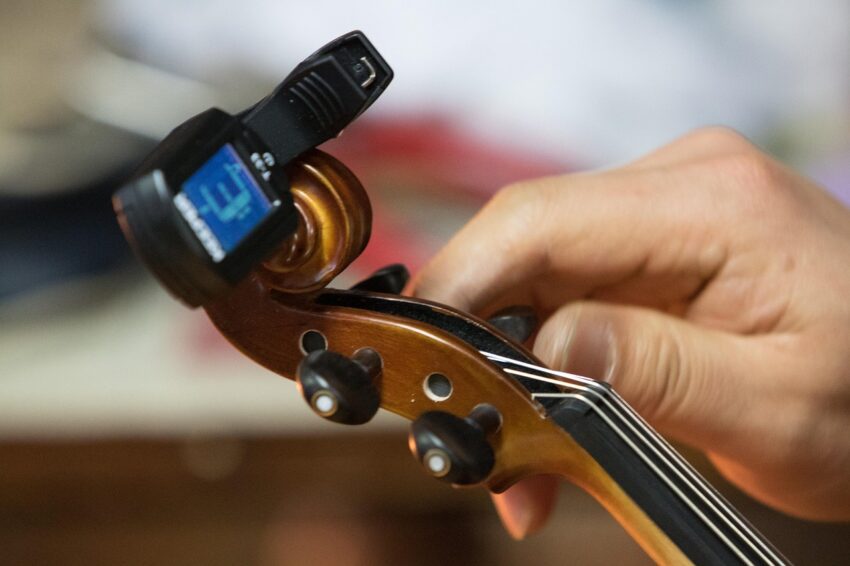
Learning to tune violin with tuner devices is a fundamental technical skill that every amateur string player must master before participating in ensemble rehearsals. Accurate pitch calibration ensures that individual instruments harmonize properly within a string section and blend seamlessly with woodwinds and other orchestral instrument families during full rehearsals.
This independent educational guide explores essential methods for string instrument maintenance, pitch references, score reading, and rehearsal dynamics. By adopting conservative, reliable tuning workflows, musicians can improve their overall ensemble listening skills and contribute to a balanced, cohesive orchestral sound.
Fundamentals of Pitch Reference and String Instrument Acoustics
Understanding Equal Temperament versus Just Intonation on Strings
String players often navigate the difference between the fixed equal temperament found on electronic tuners and the flexible intervals of just intonation used in ensemble playing. While an electronic tuner relies on standard twelve-tone equal temperament to establish absolute pitch, string instruments can adjust their finger placement dynamically.
Amateurs should initially rely on a standard chromatic tuner to set open strings accurately. However, recognizing how intervals shift in real-world performance helps players adjust their intonation relative to surrounding musicians during complex harmonic passages.
Choosing the Correct Electronic Tuner Frequency (A440 Calibration)
Most modern orchestras tune to a concert pitch of A440 Hz, though some ensembles occasionally adopt higher standards like A442 Hz. When you tune violin with tuner hardware or mobile applications, verifying the designated calibration frequency prevents frustrating pitch discrepancies with the rest of the orchestra.
Always inspect your tuner settings before beginning your daily practice routine. Ensuring your device is locked securely to 440 Hz provides a reliable baseline that aligns with section leaders and woodwind pitch references.
Peg Adjustment and Fine Tuner Usage During Initial Pitch Setup
String instruments utilize both wooden pegs and metal fine tuners to manage string tension. Pegs are primarily designed for large pitch adjustments, while fine tuners offer microscopic control necessary for precise calibration.
When making adjustments, apply gentle inward pressure while turning the wooden peg to prevent slipping. Once the string is within close proximity of the target pitch, switch to the tailpiece fine tuners to achieve absolute accuracy on the tuner display.
Environmental Influences on String Tension and Intonation Stability
Temperature fluctuations and humidity changes directly impact wooden instrument bodies and steel or synthetic string tension. A sudden shift in weather can cause strings to drop or rise in pitch unpredictably during a practice session.
Amateur musicians must account for these environmental variables by allowing their instruments to acclimate to room temperature before attempting precise tuning. Regular monitoring helps maintain stability throughout extended rehearsal blocks.
When practicing without electronic devices, you can easily tune violin with piano to establish your baseline pitch reference.
For closely related guidance, see fine tuning pegs violin.
Step-by-Step Methodology to Tune Violin with Tuner
Securing the Instrument and Positioning the Tuner Correctly
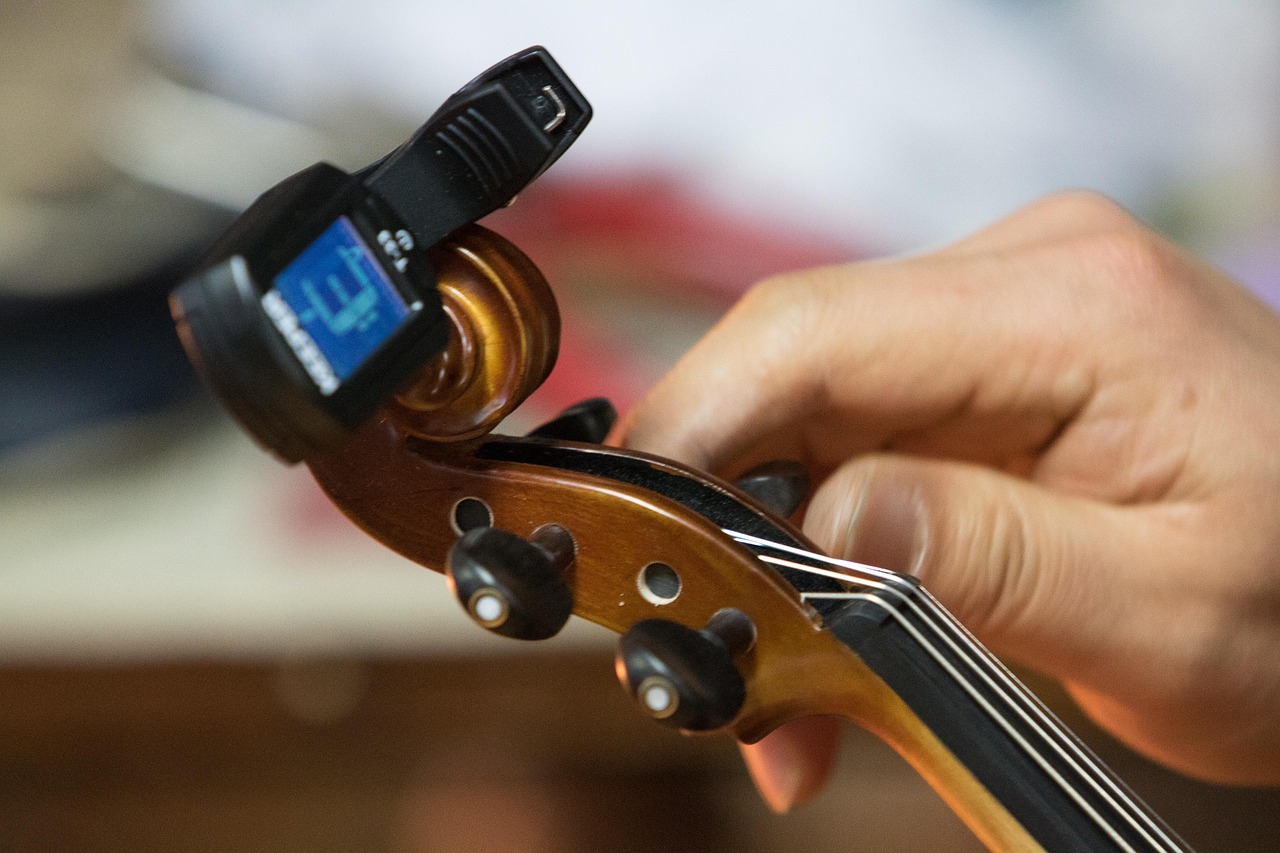
Proper posture and physical setup are essential when you tune violin with tuner technology. Place your electronic tuner on a stable music stand or clip it securely to the scroll of the instrument, ensuring the visual display remains clearly in your line of sight.
Hold the bow correctly or prepare your right hand for pizzicato plucking. Maintaining an ergonomic, relaxed posture prevents unnecessary physical tension while you focus on visual pitch indicators and make subtle mechanical adjustments.
Plucking Versus Bowing While Reading the Pitch Indicator
Generating a clear, steady tone is critical for accurate electronic tuner response. While plucking the string provides a quick reference, drawing the bow across the string produces a sustained waveform that allows the tuner to register the pitch more reliably.
Draw the bow smoothly with moderate speed across the center of the string. Watch the needle or digital LED display stabilize before deciding whether to tighten or loosen the string tension.
Navigating String Intervals from A to D, G, and E
The standard tuning sequence for a violin moves from the A string to the D string, followed by the G string, and finally the E string. This systematic approach manages overall bridge pressure and prevents sudden, drastic shifts in structural tension.
Begin by calibrating the A string to the 440 Hz reference. Once locked, use perfect fifth intervals to cross-reference your D and G strings, confirming each step with your electronic tuner for maximum precision.
Addressing Stubborn Peg Slippage Without Causing Damage
Wooden tuning pegs frequently stick or slip due to friction loss and seasonal dryness. If a peg refuses to hold tension, avoid forcing it violently, as this can crack the pegbox or snap the string.
Apply specialized peg compound sparingly to the friction points where the peg contacts the pegbox walls. This conservative maintenance practice restores smooth rotational control and helps keep your instrument stable.

If you encounter resistance while adjusting tension, remember that having violin tuning pegs stuck is a common maintenance issue.
Woodwind Pitch Integration in Amateur Orchestral Rehearsals
How Temperature and Breath Support Affect Woodwind Tuning
Woodwind instruments behave differently than strings when exposed to temperature changes. Flutes, clarinets, and oboes sharpen as the instrument warms up from breath moisture and ambient room heat.
Amateur woodwind players must warm up their instruments thoroughly before attempting formal ensemble tuning. Consistent breath support ensures a stable core tone that string players can match effectively during collaborative sectionals.
Aligning Woodwinds with Concert Pitch A440 Standards
The oboe traditionally provides the initial tuning pitch for the entire orchestra during formal rehearsal settings. However, individual players should also cross-reference their instruments using electronic standards to verify baseline intonation.
Understanding how woodwind fingerings and embouchure adjustments alter pitch allows musicians to make micro-adjustments on the fly, ensuring seamless integration with string sections and brass instruments.
Managing Intonation Shifts During Extended Playing Sessions
Fatigue affects embouchure strength and finger dexterity, often leading to sagging pitch over the course of a long orchestral rehearsal. Recognizing these subtle physical changes helps players maintain proper breath and posture support.
Taking brief rest moments during section breaks allows facial muscles to recover. This practice preserves tonal focus and keeps woodwind sections sounding vibrant and unified throughout the rehearsal.
Collaborative Tuning Strategies Between Strings and Woodwinds
Achieving a unified orchestral sound requires active listening and mutual adjustment between woodwind and string players. Strings must listen to the sustained core of woodwind tones, while woodwinds must respect the harmonic framework laid out by the section leaders.
Practicing slow chorales together during warm-up periods helps bridge acoustic differences. This shared focus builds ensemble awareness and enhances overall harmonic blend across diverse instrument families.
Score Reading Essentials for Amateur Orchestral Musicians
Navigating Transposing Instruments Within Orchestral Scores
Orchestral scores frequently include transposing instruments, such as clarinets and horns, whose written notes differ from their sounding pitches. Amateur musicians benefit greatly from understanding basic transposition rules to follow ensemble harmonies accurately.
Studying score layouts builds a comprehensive view of how different voices interact. Recognizing transposing parts prevents confusion during complex tutti passages and improves overall rehearsal efficiency.
Identifying Voice Leading and Harmonic Hierarchies on the Page
Effective score reading involves distinguishing primary melodic lines from supporting inner voices and foundational bass parts. Recognizing these harmonic hierarchies helps players project the correct dynamic balance.
Amateurs should practice scanning scores horizontally to follow melodic lines and vertically to understand chord structures. This dual perspective enhances personal phrasing and deepens appreciation for orchestration techniques.
Following Cue Lines and Dynamic Markings During Rehearsals
Scores are filled with essential instructional markings, including dynamic shifts, articulation symbols, and instrumental cue lines. Paying close attention to these details ensures that entries happen cleanly and cohesively.
Marking your individual part with clear, legible reminders helps prevent missed entrances. Developing a disciplined approach to score annotations supports confident execution under performance pressure.
Developing Sight-Reading Confidence Through Score Familiarization
Sight-reading improves steadily when musicians spend time analyzing a score before playing a single note. Reviewing key signatures, tempo indications, and complex rhythms prepares the mind for physical execution.
Incorporate regular short score-reading sessions into your weekly practice routine. Familiarity with standard orchestral notation breeds confidence and reduces anxiety in fast-paced ensemble environments.
Effective Rehearsal Etiquette and Active Orchestral Listening
Establishing Clear Communication Channels with Section Leaders
Smooth orchestral rehearsals rely on clear communication between section principals and tutti players. Respecting the guidance of concertmasters and section leaders keeps rehearsals organized and productive.
Ask clarifying questions regarding bowing marks, phrasing, or intonation during appropriate break times. Maintaining a cooperative, professional attitude fosters a positive and encouraging creative environment.
Cultivating Active Listening Skills for Ensemble Balance
Playing in an orchestra requires musicians to listen beyond their own instruments and monitor the surrounding acoustic environment. Active listening ensures that your volume and tone complement the ensemble rather than overpower it.
Practice playing along with recordings while focusing on specific instrument sections. This exercise trains your ear to isolate individual voices within a dense orchestral texture, improving real-time blend.
Managing Sectional Practice Versus Full Orchestra Integration
Sectional rehearsals provide a valuable opportunity to refine technical passages and intonation details without the pressure of the full ensemble. These focused sessions build confidence and technical security.
Bring the insights gained during sectionals into full orchestra rehearsals. Bridging the gap between isolated practice and complete ensemble integration is essential for artistic growth.
Maintaining Instrument Care and Preparedness Throughout the Season
Regular instrument maintenance prevents unexpected mechanical failures during active rehearsal seasons. Keep strings clean, check bridge alignment, and store your instrument in a stable, protective case.
Arriving at rehearsals early with all necessary accessories ensures a stress-free start. Diligent preparation reflects respect for your fellow musicians and the conductor.
Frequently Asked Questions
How often should an amateur string player check their instrument with an electronic tuner?
Amateur string players should check their instrument pitch at the beginning of every practice session and before every ensemble rehearsal. Because temperature changes and string stretching cause frequent pitch fluctuations, verifying your tuning regularly ensures you remain compatible with your section and woodwind references.
Is it safe to use fine tuners for major pitch corrections on a violin?
Fine tuners are designed for minor, precise adjustments rather than large pitch changes. If a string is significantly flat or sharp, you should use the wooden pegs for the major adjustment and reserve the fine tuners for locking in the final exact pitch shown on your electronic device.
What is the standard concert pitch frequency used for orchestral tuning?
The standard concert pitch frequency used across most modern symphony orchestras is A440 Hz. Some specialized ensembles or historical performance groups may occasionally adopt alternative standards such as A442 Hz, so it is always wise to confirm the ensemble reference frequency before tuning.
How can woodwind players compensate for intonation shifts during long rehearsals?
Woodwind players can manage intonation shifts by remaining aware of temperature changes inside their instruments and adjusting their breath support accordingly. Regular warm-ups and mindful embouchure control help counteract the natural tendency of woodwinds to sharpen as they absorb body heat and breath moisture.
Why is score reading beneficial for amateur orchestral musicians who play string instruments?
Score reading helps string players understand how their individual parts fit into the broader harmonic and melodic framework of the piece. This contextual awareness improves dynamic balance, rhythmic precision, and overall ensemble listening skills during complex orchestral rehearsals.
What steps should be taken if a wooden tuning peg continues to slip during tuning?
If a wooden tuning peg slips persistently, you should apply a small amount of specialized peg compound to the contact points where the peg meets the pegbox walls. Avoid forcing a stuck or slipping peg with excessive raw pressure, as this can risk structural damage to the instrument.