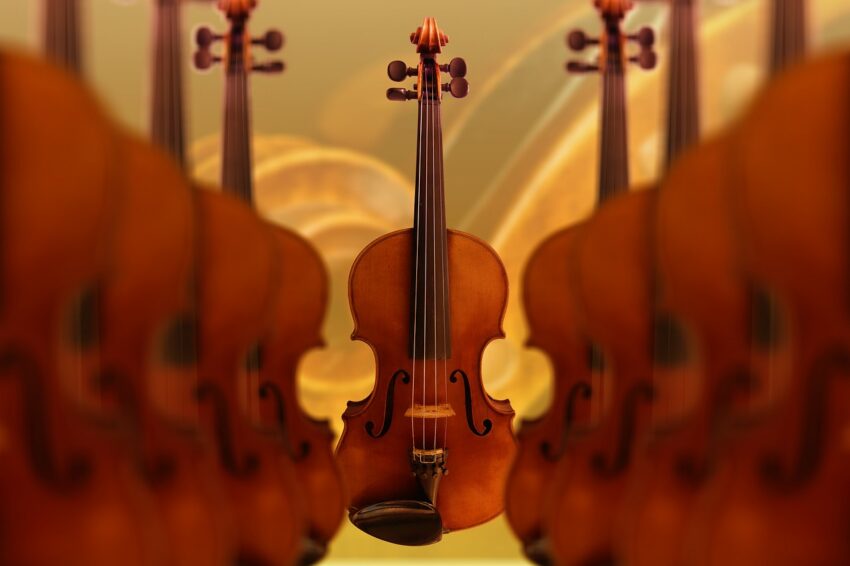
The viola d amore instrument stands as one of the most fascinating bowed string instruments in historical and modern orchestral contexts, distinguished by its unique cluster of sympathetic strings that resonate beneath the played strings. For amateur orchestral musicians and active listeners seeking deeper structural understanding, exploring this instrument offers valuable insights into early music performance, unusual acoustic behaviors, and rare orchestration choices.
Far from a standard violin variant, the viola d amore requires specialized bowing techniques, distinct tuning protocols, and a specialized approach to intonation and timbre blending. Whether you encounter it in Baroque revival pieces or specialized concert works, understanding its physical construction and harmonic properties enriches both ensemble participation and critical score study.
Historical Development and Physical Design of the Viola d’Amore
Origins and Evolution in the Baroque Era
The viola d amore instrument emerged during the late seventeenth and early eighteenth centuries, capturing composers’ attention with its silvery and ethereal tone quality. Unlike standard members of the violin family, which developed toward higher projection and standardized sizing, this instrument retained flexible design characteristics.
Luthiers experimented widely with body shapes, rib depths, and pegbox ornamentation. Many surviving historical examples feature carved blindfolded cupids at the scroll apex, symbolizing the instrument’s romantic name and poetic associations within courtly musical circles.
Constructional Variations: Frets and Pegboxes
Early iterations of the viola d amore instrument frequently incorporated gut frets tied around the fingerboard to assist with intonation and resonance. While many modern orchestral versions omit physical frets, the dual pegbox remains a defining structural feature that immediately sets it apart from standard string instruments.
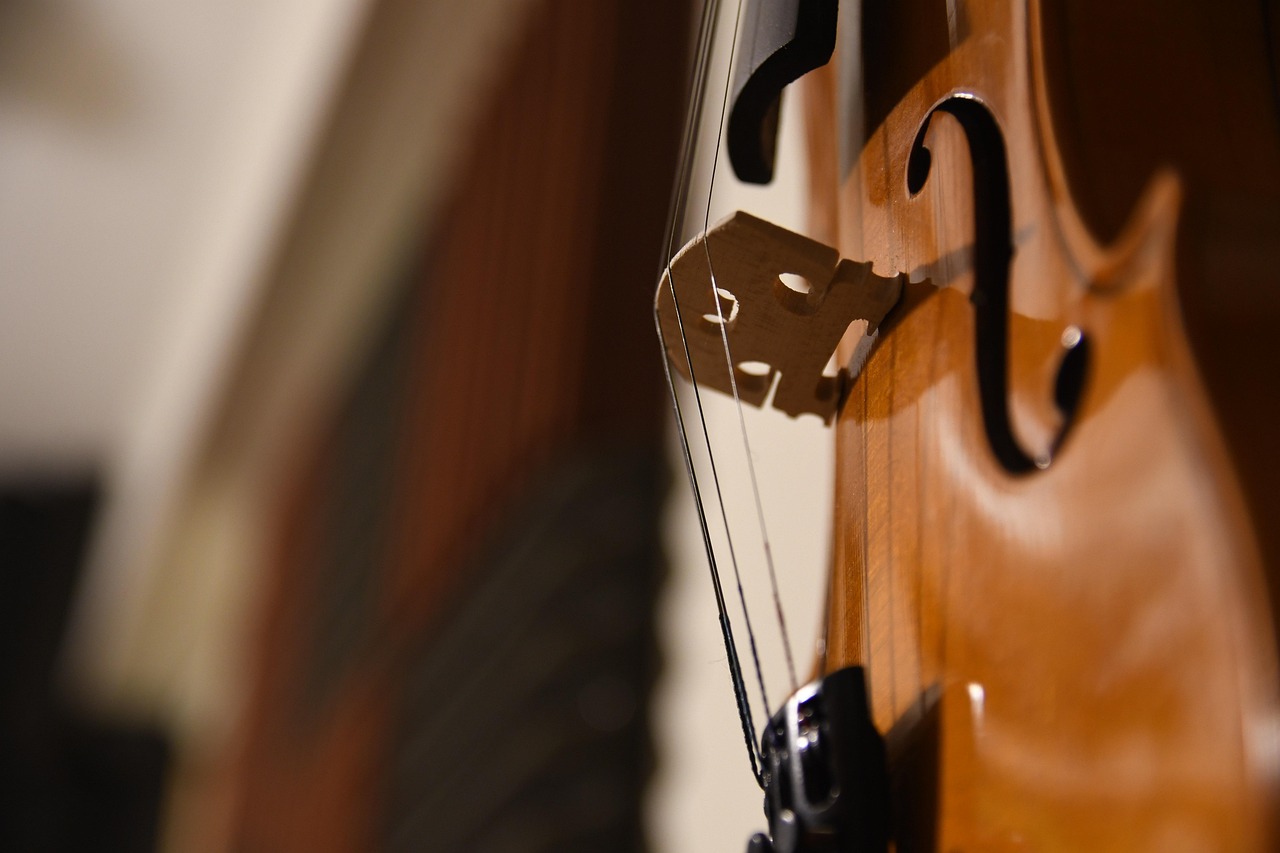
Accommodating both played strings and a matching set of sympathetic under-strings requires a wider fingerboard and a considerably broader bridge. Luthiers must carefully calibrate string spacing to prevent accidental bowing contact between the horsehair and the underlying sympathetic courses.
Bowing Mechanics and Ergonomic Adjustments
Playing the viola d amore instrument demands specific ergonomic adjustments from musicians trained primarily on the violin or modern viola. Because the bridge is flatter across the top to facilitate chordal playing, bowing multiple strings simultaneously requires precise weight distribution and arm angles.
Amateur players transitioning to the instrument must practice maintaining consistent bow speed across broader string spans. Developing this physical coordination ensures smooth transitions between single-line melodic passages and rich, resonant multi-stop harmonies in orchestral settings.
Scholars often examine how the distinct sound profile of a historical vivaldi viola d amore shaped Baroque composition choices.
For closely related guidance, see large violin type instrument.
The Acoustic Role of Sympathetic Strings
How Sympathetic Resonance Functions
The defining acoustic feature of any viola d amore instrument is its secondary set of metallic strings running through the bridge and beneath the fingerboard. These strings are never touched directly by the bow; instead, they vibrate passively in response to acoustic energy generated by the bowed upper strings.
This physical phenomenon creates a continuous, shimmering halo of overtone sound that enhances the instrument’s sustain and harmonic richness. Understanding how sympathetic vibration works helps players shape their phrasing to maximize this natural acoustic reverberation within an ensemble.
Tuning Challenges with Multiple Courses
Tuning a viola d amore instrument requires patience and methodical precision due to the high density of strings involved. Players must tune both the bowed upper strings and the sympathetic lower courses, ensuring the entire instrument resonates harmoniously in specific historical keys.
Because temperature shifts and humidity affect metal and gut strings differently, maintaining stable intonation throughout a rehearsal can be demanding. Regular reference to an electronic tuner or tuning fork is essential before tackling ensemble passages.
Timbral Blending Within Ensemble Textures
Within an orchestral texture, the unique acoustic profile of the viola d amore instrument blends exceptionally well with muted upper strings, woodwinds, and continuo instruments. Its distinct harmonic spectrum prevents it from being easily masked by heavier orchestral sections.
Orchestral listeners benefit from identifying how this unique timbre interacts with surrounding instruments. Rather than dominating the sonic space, the instrument adds warmth and transparent coloration that enhances polyphonic clarity in complex arrangements.
Integrating Rare Instruments into Orchestral Score Reading
Reading Historical Clefs and Transpositions
Encountering the viola d amore instrument in historical scores often involves navigating unusual clef combinations that challenge standard score-reading habits. Composers across different regions utilized treble, alto, soprano, and bass clefs interchangeably for this instrument.
Amateur musicians and conductors studying these scores must develop fluency in reading multiple historical clefs to accurately interpret melodic lines. Recognizing these notational conventions ensures correct pitch realization and faithful historical performance execution.
Identifying Viola d’Amore Parts in Orchestral Scores
When analyzing full orchestral scores, locating the viola d amore instrument requires knowing where historical copyists typically placed rare obbligato parts. They frequently appear between the viola and cello staves or directly beneath the violin sections depending on the era.
Careful score study allows listeners and performers to anticipate specialized entrances. Recognizing these structural cues helps amateur musicians follow complex counterpoint and appreciate how historical orchestrators balanced rare solo voices against standard orchestral forces.
Balancing Textures in Amateur Contexts
Incorporating unique historical instruments into amateur orchestral settings demands careful attention to dynamic balance and accompaniment density. Because the viola d amore instrument possesses a delicate acoustic projection, accompanying sections must moderate their volume levels.
Conductors and section leaders must ensure that woodwinds and lower strings do not overpower the ethereal upper harmonics of the solo instrument. Thoughtful rehearsal planning guarantees that the distinct sonic character remains audible to both performers and audience members.
Rehearsal Dynamics for Specialized String Instruments
Tuning Preparation Before Rehearsal
Effective rehearsals involving a viola d amore instrument begin with dedicated preparation time before the ensemble assembles. Because tuning fourteen or more strings takes considerable time, players should arrive early to stabilize string tension and settle sympathetic courses.
Collaborating closely with the section leaders or continuo players ensures that pitch standards align correctly across the entire ensemble. Establishing a reliable tuning routine minimizes downtime and maintains productive momentum during group practice sessions.
Communicating Intonation Needs to Section Leaders
Intonation on the viola d amore instrument relies heavily on pure intervals rather than equal temperament, particularly when performing Baroque repertoire. Players must communicate these tuning nuances clearly to surrounding ensemble members.
Open dialogue during sectional rehearsals helps string players adjust double stops and chordal passages for maximum harmonic resonance. This cooperative approach fosters better listening habits and improves overall ensemble cohesion.
Managing Bow Distribution in Dense Passages
Navigating rapid contrapuntal lines on a flat-bridged instrument requires careful management of bow division and string crossings. Amateur players often benefit from marking specific bow directions in their parts to maintain smooth phrasing.
Practicing these passages slowly at first ensures that every note speaks clearly without unintended scratching or muting of adjacent strings. Proper bow distribution preserves the distinctive singing quality characteristic of the instrument.
Players transitioning from a standard setup to a 7 string viola da gamba must adapt their bowing techniques carefully.
Active Listening Strategies for Historical Timbres
Distinguishing Sympathetic Resonance from Room Acoustics
Active listening to a live performance featuring a viola d amore instrument involves learning to separate natural sympathetic resonance from ambient hall reverberation. The instrument produces a distinct, silvery halo that remains tightly coupled to the primary pitch.
Concentrating on this internal acoustic phenomenon allows listeners to appreciate the intricate craftsmanship of historical instruments. It also deepens analytical listening skills applicable to other specialized acoustic environments.
Following Counterpoint Involving Rare Instruments
Polyphonic music featuring rare historical instruments requires focused attention to independent melodic strands. Listeners should practice tracking the voice of the viola d amore instrument as it weaves through accompaniments provided by woodwinds or keyboard continuo.
Recognizing thematic entries and imitative counterpoint enhances enjoyment of Baroque and Classical chamber orchestrations. This analytical listening approach turns passive concert attendance into an engaging intellectual exercise.
Evaluating Historical Performance Practice in Modern Settings
Modern performances utilizing historical instruments invite listeners to evaluate how contemporary interpretations balance authenticity with modern concert hall demands. Observing bow choices, vibrato usage, and phrasing reveals ongoing scholarly discussions.
Amateur musicians and classical enthusiasts can use these listening experiences to refine their own stylistic awareness. Understanding performance practice standards encourages informed engagement with the broader classical music tradition.
Frequently Asked Questions
What makes the viola d amore instrument different from a standard viola?
The viola d amore instrument differs primarily through its inclusion of sympathetic metal strings running beneath the fingerboard, a wider flat-topped bridge, and often a larger body with a carved head. While a standard viola uses four strings and relies entirely on direct bowing, this instrument produces a complex, shimmering overtone resonance that creates a distinctively silvery and ethereal timbre during performance.
How do sympathetic strings produce sound on a viola d amore?
Sympathetic strings on a viola d amore instrument vibrate passively through acoustic coupling. When the performer bows or plucks the upper gut strings, the sound waves travel through the bridge and instrument body, causing the lower metal strings tuned to matching pitches to resonate automatically without any direct physical contact from the bow.
Is the viola d amore played with a modern bow or a historical bow?
Performers of the viola d amore instrument typically use historical bows, such as a transitional or Classical bow model, rather than a heavy modern bow. Historical bows feature a slightly different weight distribution and balance point, which allows for clearer articulation of rapid string crossings and facilitates the lighter phrasing required by early repertoire.
How should amateur string players approach tuning a double-course instrument?
Amateur string players should begin tuning the viola d amore instrument by establishing a stable pitch for the bowed upper strings using a reliable reference pitch. Once the primary strings are settled, players systematically tune each sympathetic string underneath to match the corresponding upper octaves or unison pitches, allowing ample time for the metal strings to stabilize.
Can modern orchestral musicians easily transition to playing the viola d amore?
Modern orchestral musicians face a moderate learning curve when transitioning to the viola d amore instrument due to the wider fingerboard, flat bridge profile, and multi-string tuning requirements. While left-hand violin or viola technique transfers well, mastering multi-stop bowing coordination and historical clef reading demands dedicated practice and guidance.
What orchestral repertoire typically features the viola d amore?
The viola d amore instrument appears most frequently in late-seventeenth and eighteenth-century Baroque and Classical repertoire, including works by composers like Antonio Vivaldi, J.S. Bach, and Heinrich Ignaz Franz Biber. It occasionally surfaces in nineteenth-century and modern orchestral tone poems when composers seek a unique, melancholic, or exotic instrumental color.